As the temperature rises, children’s bodies respond differently than those of adults. Understanding the science behind heat and how it affects young ones is crucial for their health and well-being. Staying cool is not just a matter of comfort; it significantly impacts children's ability to learn, play, and thrive. Here’s a dive into why keeping our little ones cool is so important.
The Importance of Thermoregulation
Children have a higher surface area-to-volume ratio compared to adults, which means they heat up faster. Their bodies are still developing and can struggle with thermoregulation, the process by which the body maintains its core internal temperature. When temperatures soar, kids are particularly vulnerable to overheating.
Recognising the Signs of Heat Stress
Heat stress can manifest in various ways, and recognising these signs early can prevent more severe health issues. Common symptoms include:
- Excessive sweating
- Rapid heartbeat
- Dizziness or light-headedness
- Headaches
- Fatigue and irritability
If children show any of these symptoms, it’s essential to act quickly to help them cool down.
Creating a Cool Environment
One of the most effective ways to help children beat the heat is to create a cool environment at home and school. Some ways to achieve this include:
- Ensuring ample shade is available outdoors.
- Using fans or air conditioning indoors.
- Keeping windows open to maximise airflow during cooler parts of the day.
- Encouraging indoor activities during peak heat hours.
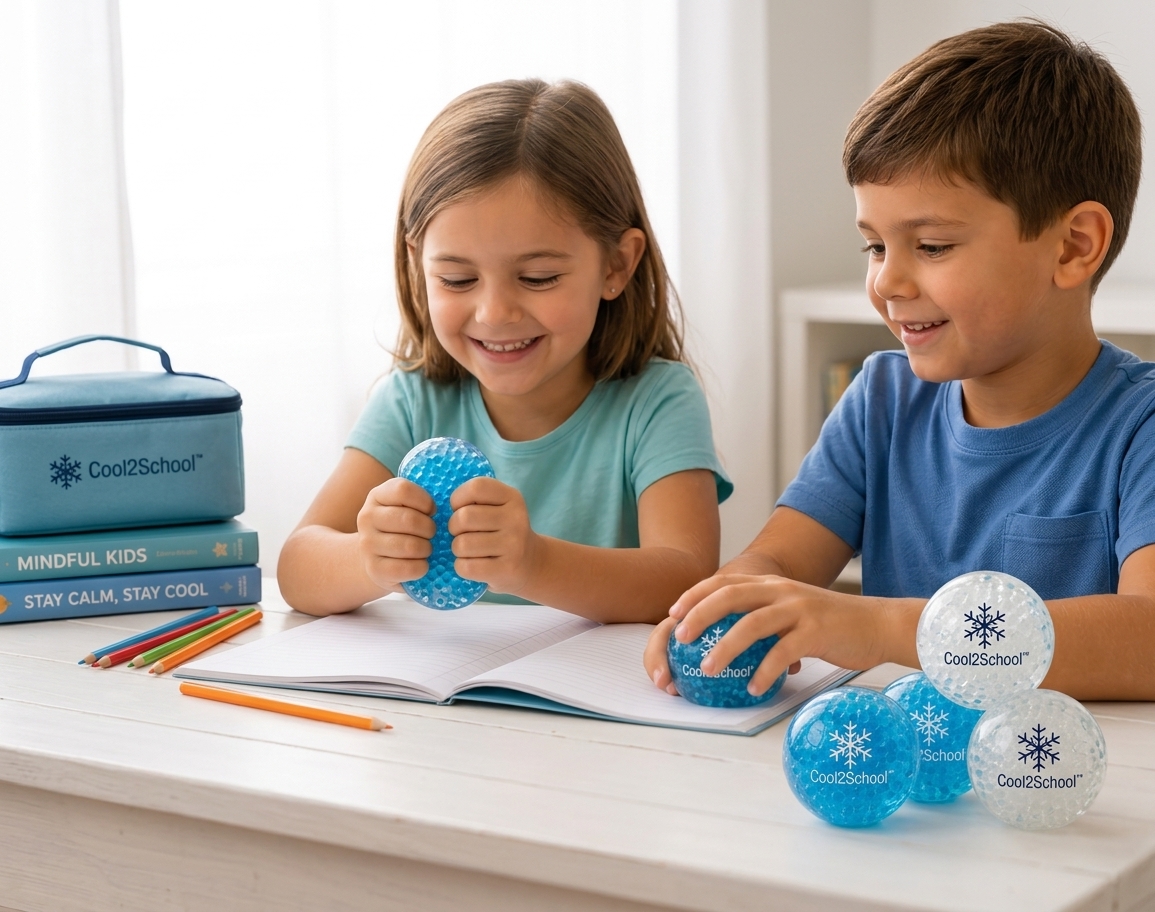
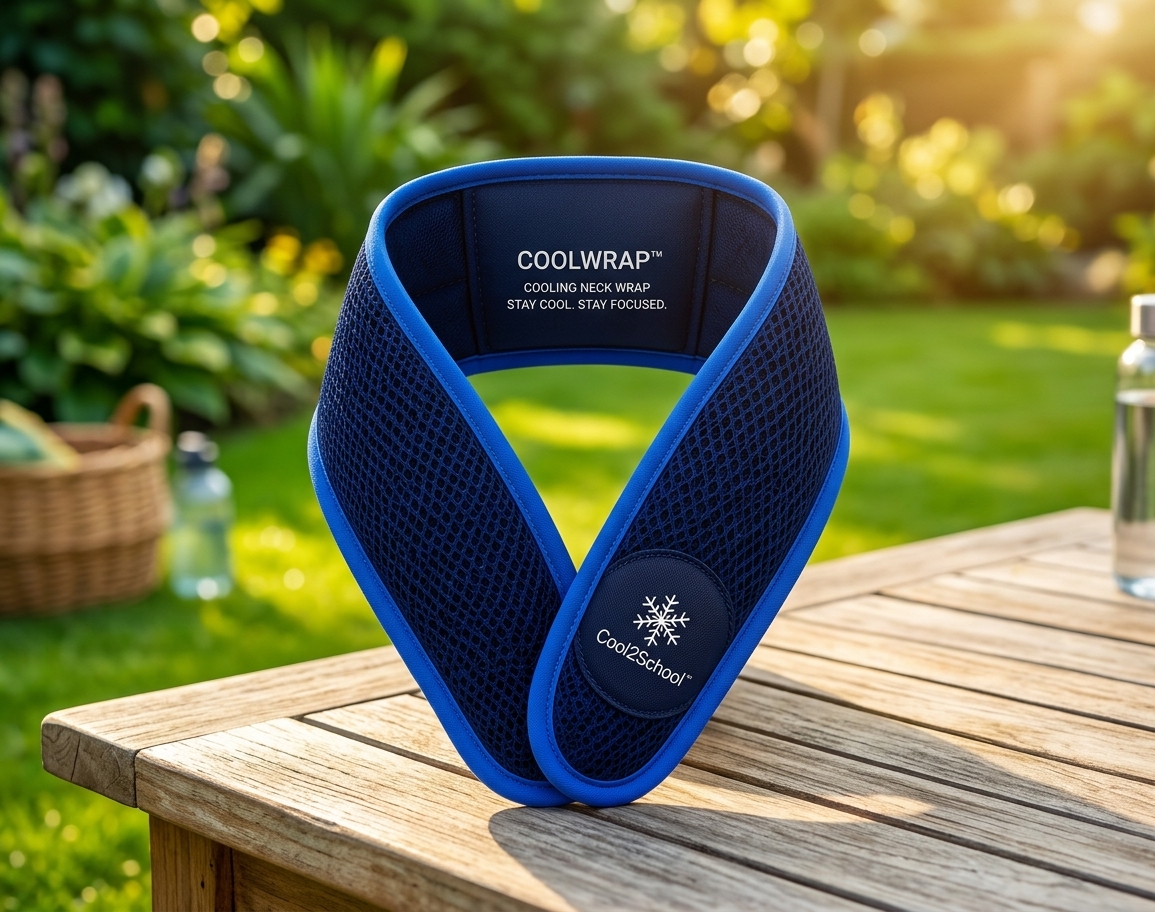
Investing in quality cooling products, such as those from Cool2School, can also aid in keeping children comfortable throughout the day.
The Role of Hydration
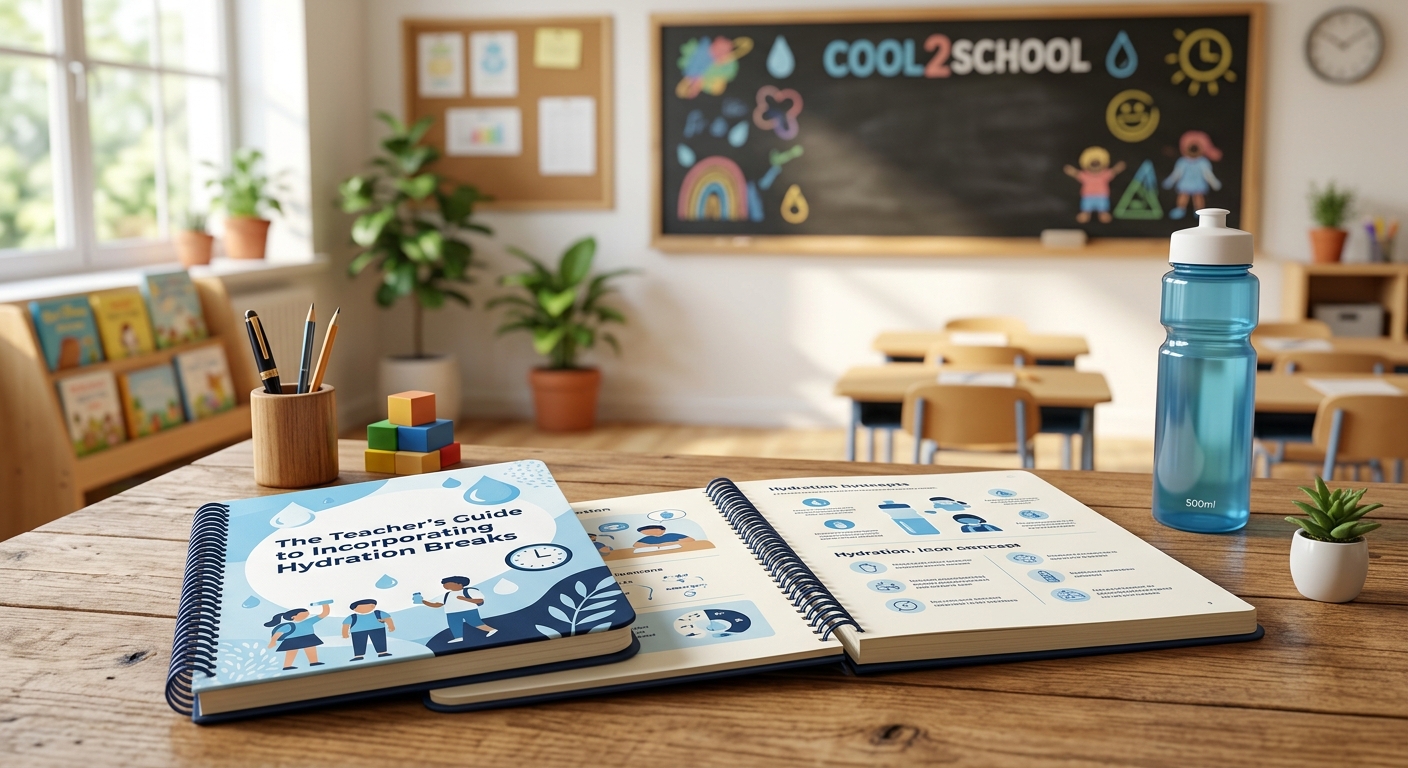
Proper hydration is crucial for preventing overheating. Encourage children to drink water regularly, even if they do not feel thirsty. It's worth noting:
- Drink fluids before, during, and after playing outside.
- Limit sugary or caffeinated drinks, as these can contribute to dehydration.
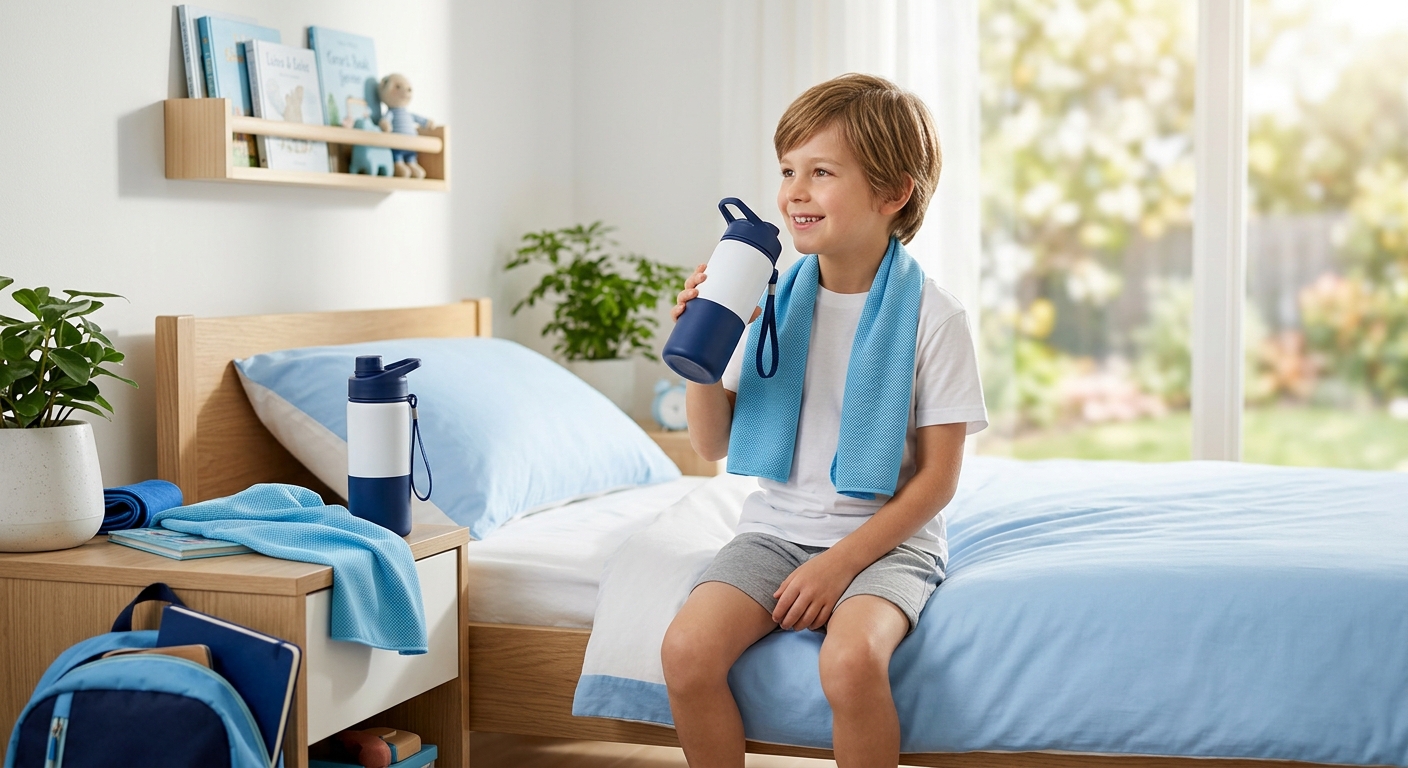
- Use insulated water bottles to keep drinks cool and appealing.
Having easy access to water encourages children to stay hydrated, a vital step in temperature regulation.
Choosing the Right Clothing
Clothing plays a significant role in keeping cool. Opt for lightweight, breathable fabrics that allow air to circulate, such as cotton or moisture-wicking materials. Look for:
- Light colours that reflect rather than absorb heat.
- Loose-fitting clothing that doesn’t cling to the body.
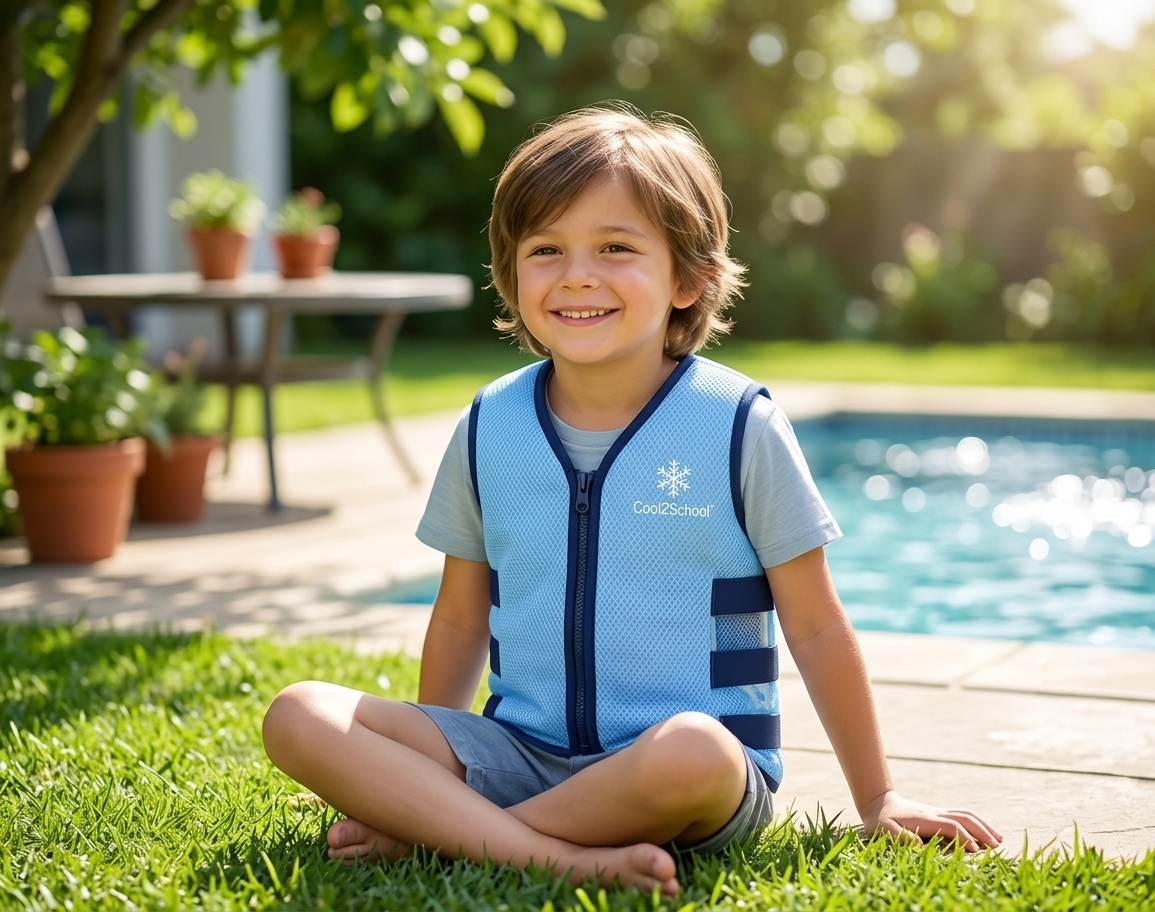
- Specialised cooling vests for outdoor play on particularly hot days.
These choices can make a notable difference in how a child feels during hot weather.
Keeping Active While Staying Safe
Encouraging children to play and stay active is crucial, but it needs to be done safely in hot weather. Schedule activities either in the early morning or late evening when the sun's heat is less intense. Some tips include:
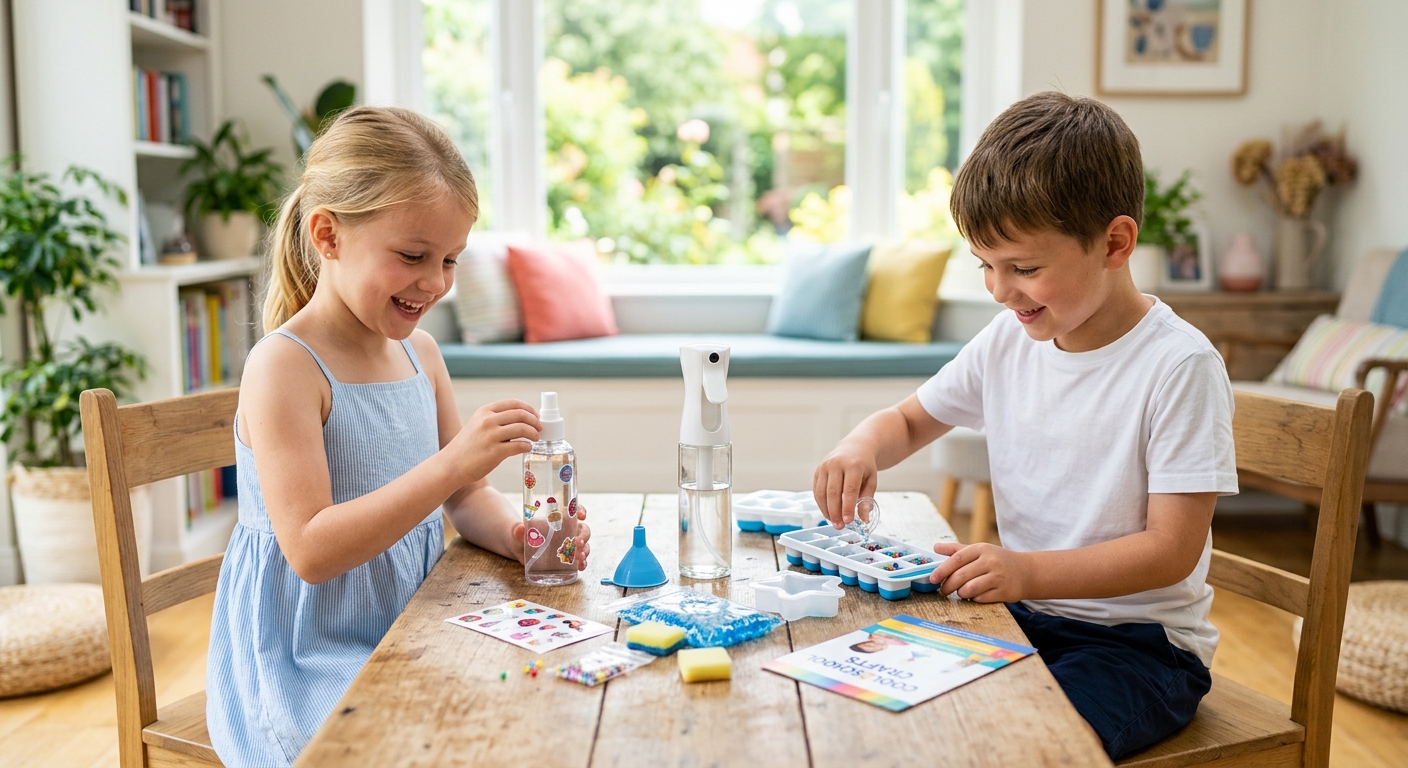
- Organising water games that help cool down.
- Frequent breaks in the shade to keep temperatures down.
- Incorporating some quiet playtime indoors during the hottest hours.
A little creativity can ensure that children have fun while still prioritising their safety.
Key takeaways
- Children are more susceptible to heat stress due to their developing thermoregulation.
- Recognise signs of heat stress early to act swiftly.
- Create a cooler environment and ensure proper hydration.
- Choose appropriate clothing and activity timing to prevent overheating.
- Utilise cooling products to enhance comfort on hot days.
In conclusion, understanding the importance of keeping our children cool helps ensure their safety and comfort during hot days. By being proactive and using effective strategies, we can support their health and well-being while enabling them to enjoy their summer activities.
Get our free Heatwave Checklist
Join our newsletter and we'll send you a printable checklist to keep your children cool, hydrated and safe all summer.