As temperatures soar during the summer months, it's crucial to understand how children's bodies manage heat. Unlike adults, children have unique physiological traits that affect their ability to thermoregulate. This guide delves into the science behind children's heat regulation and offers practical advice on how to keep them safe and comfortable.
The Basics of Thermoregulation
Thermoregulation is the process by which the body maintains a stable internal temperature, typically around 37°C (98.6°F). This is crucial for overall health and wellbeing. In children, several factors influence this process:
- Surface Area to Volume Ratio: Children have a higher surface area to volume ratio compared to adults, meaning they lose heat more rapidly. However, this also makes them vulnerable to overheating.
- Immature Sweat Glands: Young children’s sweat glands are not fully developed, which means they may not cool themselves as effectively as adults.
- Activity Levels: Children tend to be more active than adults, increasing their internal heat production, especially during outdoor play.
How Heat Affects Children
Understanding how excess heat impacts children is essential for parents and educators alike. Here are some common effects of heat on children:
- Dehydration: Higher temperatures increase the risk of dehydration, particularly if children do not drink enough fluids.
- Heat Exhaustion: Symptoms include heavy sweating, weakness, and dizziness, which may require prompt intervention.
- Heatstroke: This is a severe condition that can occur when the body overheats, resulting in a failure of thermoregulation—a medical emergency requiring immediate attention.
Recognising the Signs of Overheating
With children’s limited ability to regulate heat, it’s vital for caregivers to be aware of warning signs that indicate they may be overheating:
- Rapid breathing or heartbeat
- Flushed or dry skin
- Dizziness or weakness
- Nausea or headaches
If you notice any of these symptoms, it’s essential to take action quickly by moving the child to a shaded or air-conditioned area and providing them with fluids.
Keeping Children Cool and Safe
Here are several effective strategies to help keep your children cool both at home and in school during hot days:
- Hydration: Encourage your child to drink plenty of water. Using insulated water bottles can help keep drinks cool throughout the day.
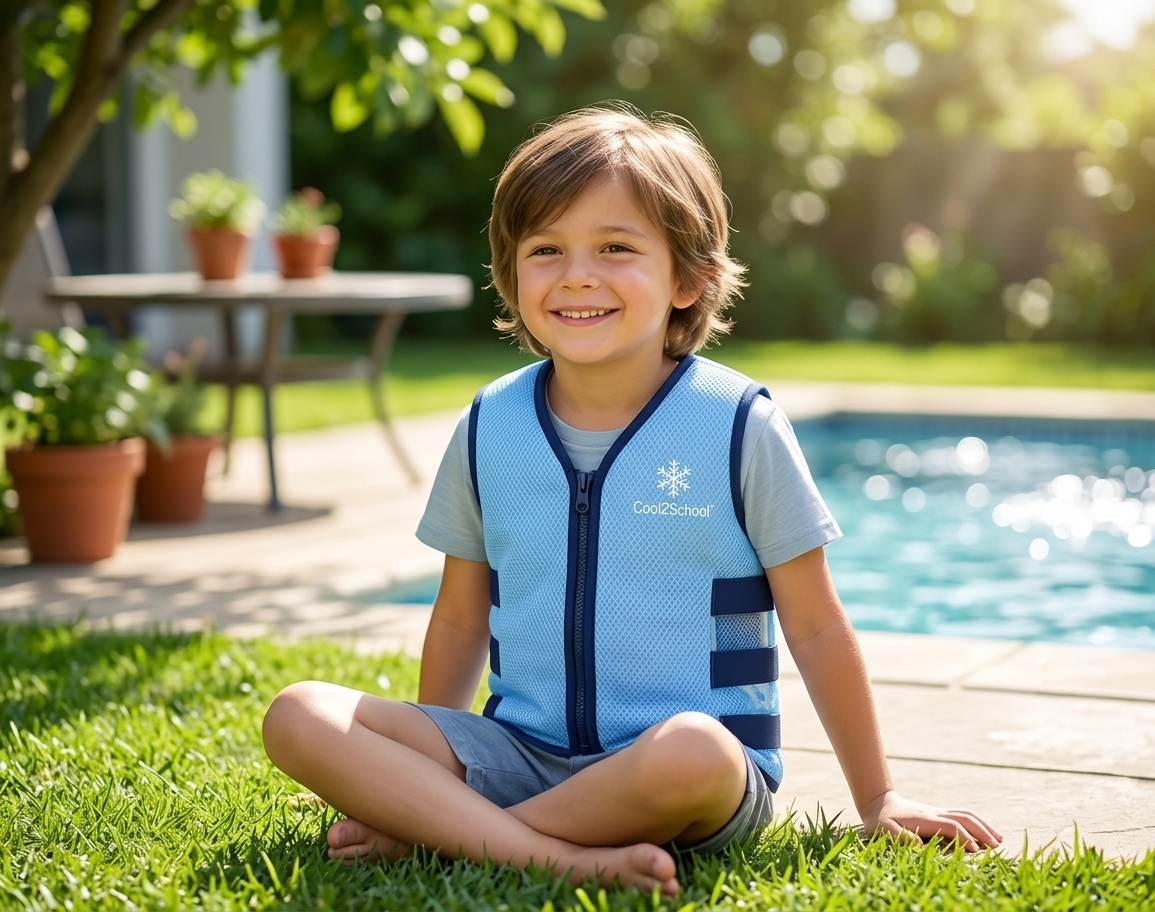
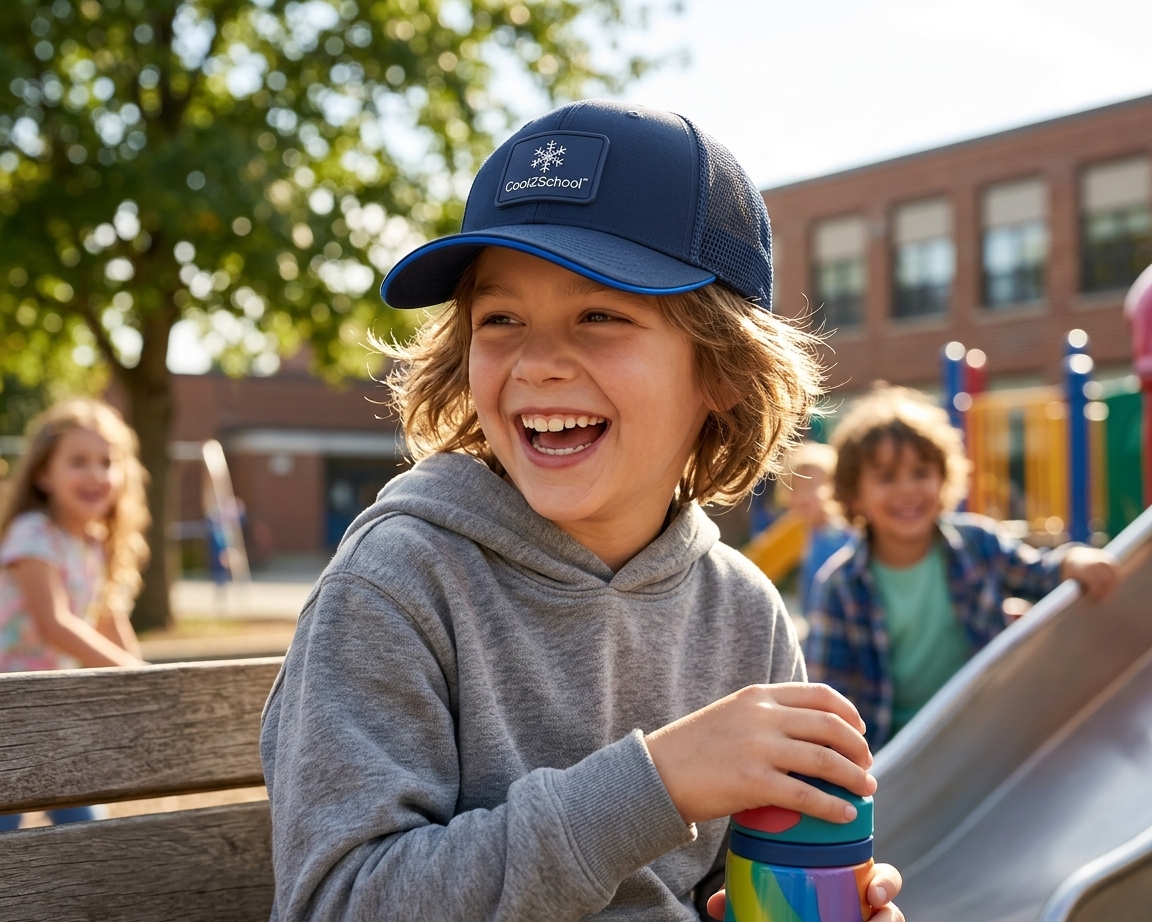
- Appropriate Clothing: Dress children in light, breathable fabrics. Wearing Cool2School’s cooling vests and caps can help reduce body temperature.
- Limit Outdoor Activities: Plan outdoor play for cooler parts of the day, such as early mornings or late afternoons.
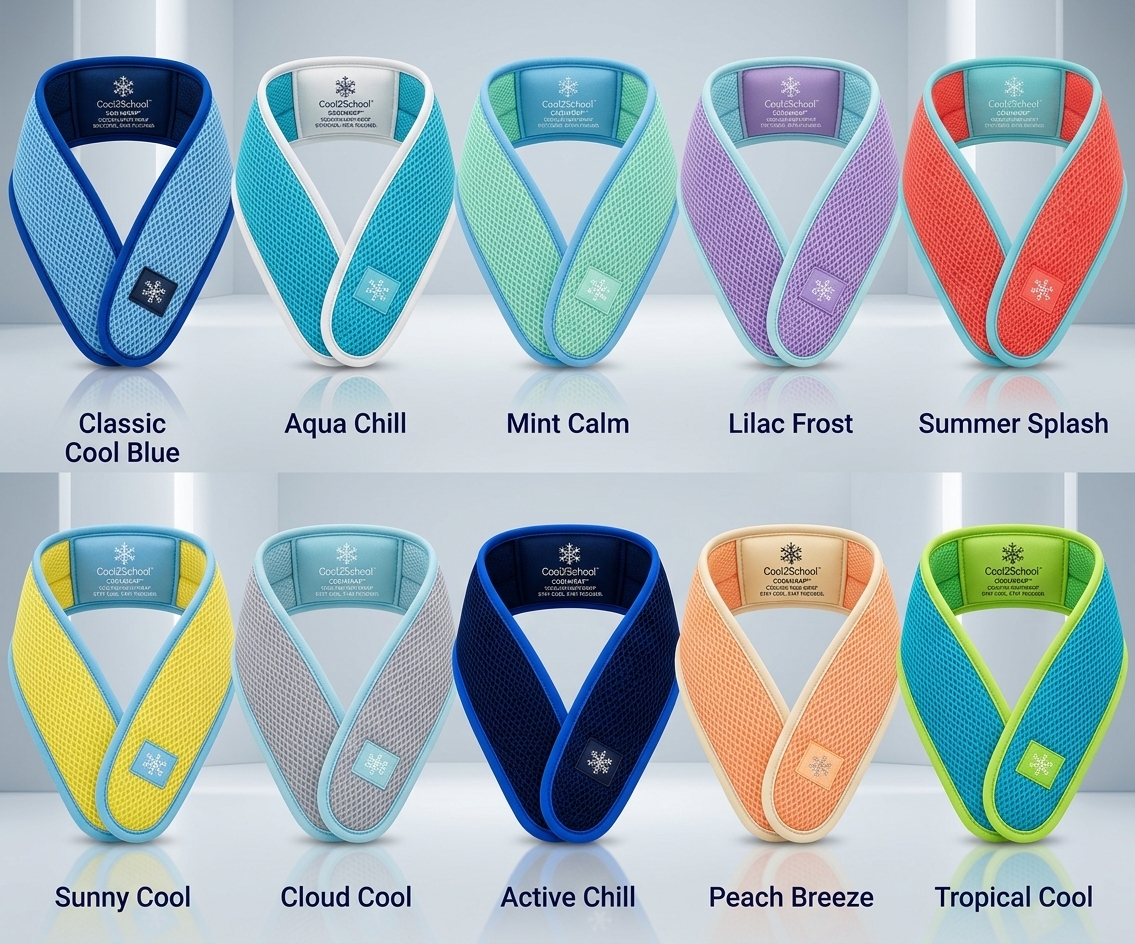
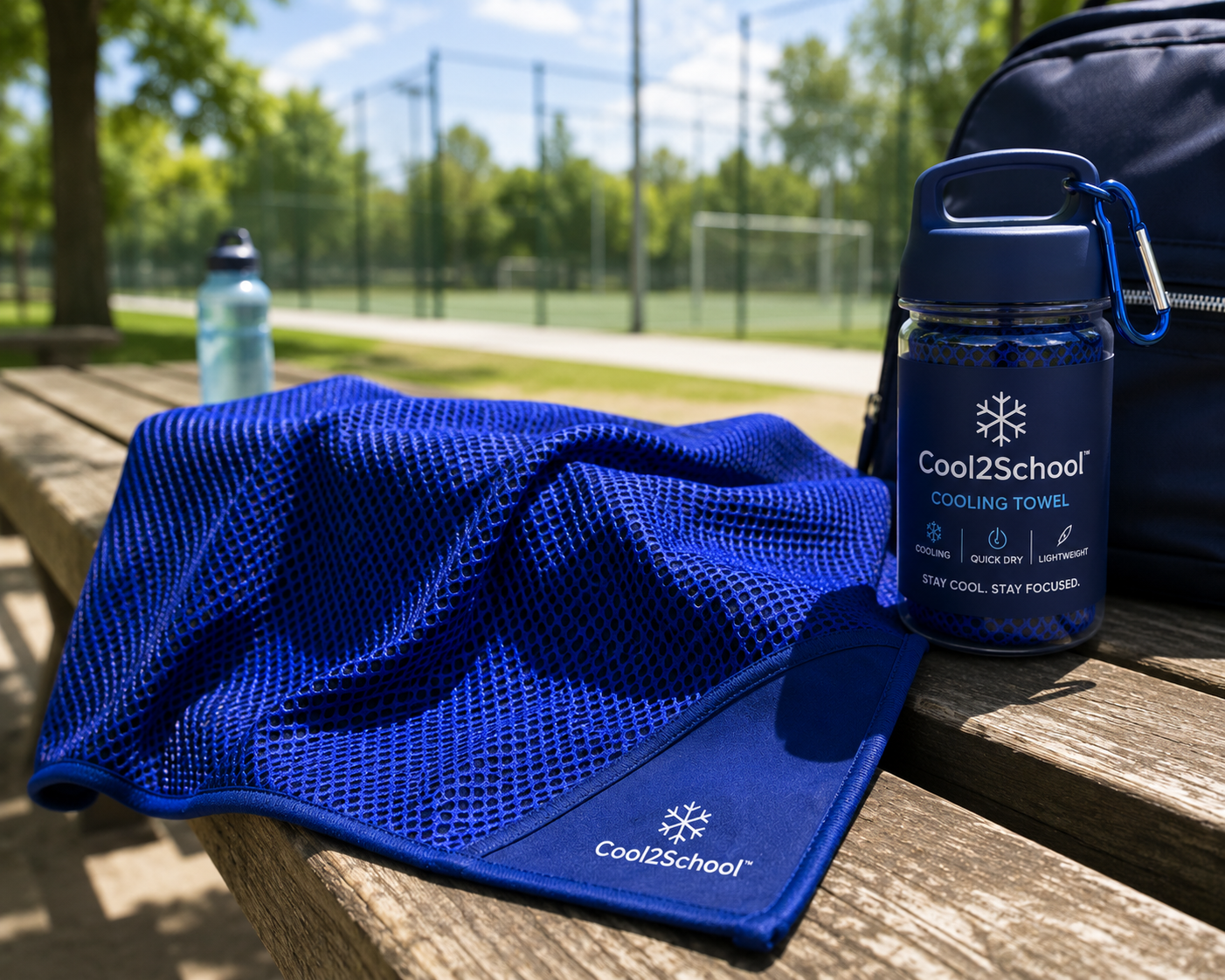
- Cooling Products: Consider using products like neck wraps and cooling vests during outdoor activities for additional comfort.
Creating a Cooling Environment
In school settings, creating a comfortable environment is vital. Here are a few tips for teachers and school administrators:
- Utilise Shade: Ensure that play areas have shaded spots for children to cool down.
- Monitor Activity Levels: Keep an eye on students’ activity and encourage breaks when temperatures rise.
- Cooling Stations: Set up designated areas with cooling products, including water stations and shaded rest spots.
Key Takeaways
- Children have unique physiological traits that affect their heat regulation.
- Recognising signs of overheating is crucial for early intervention.
- Stay hydrated and dress children in appropriate clothing to keep them cool.
- Employ practical strategies in schools to create a comfortable environment.
- Consider using Cool2School products to provide additional cooling relief on warm days.
In the heat of summer, children's safety and comfort should be a top priority. By understanding how children regulate heat and implementing effective strategies, you can ensure that their playtime remains enjoyable and safe, even on the hottest days.
Get our free Heatwave Checklist
Join our newsletter and we'll send you a printable checklist to keep your children cool, hydrated and safe all summer.