As temperatures rise, the implications for children's concentration become increasingly evident. Many studies have highlighted how heat can impact cognitive function, leading to difficulties in focusing and learning. This is particularly concerning for children, who are not only affected by heat in their environment but also by physical exertion and hydration levels during play or study. Understanding the effects of heat on learning can help parents and educators implement strategies to support children during those sweltering days.
How Heat Affects Concentration
Heat can affect the human body in various ways, and children's developing brains are particularly sensitive to temperature changes. When children are exposed to excessive heat, it can lead to:
- Increased fatigue: Elevated temperatures can cause tiredness and lethargy, making it hard for children to concentrate.
- Reduced cognitive function: Heat stress can impair cognitive abilities, including memory, attention, and problem-solving skills.
- Higher agitation levels: Excessive heat often leads to irritability, which can further distract from learning.
The Role of Hydration
Hydration plays a critical role in maintaining focus, especially on hot days. When children do not drink enough fluids, they may become dehydrated, which exacerbates the effects of heat on concentration. Here are some tips to encourage hydration:
- Provide water bottles: Ensure children have access to insulated water bottles to keep their drinks cool and refreshing.
- Create hydration reminders: Use fun stickers or reminders for them to drink regularly throughout the day.
- Offer hydrating snacks: Fruits like watermelon and cucumbers are not only refreshing but also great for hydration.
Temperature Control in Learning Environments
Classroom temperatures can occasionally reach uncomfortable levels, especially during the summer months. Schools can take proactive measures to create a better learning environment by:
- Utilising fans or air conditioning: These can dramatically improve comfort levels.
- Incorporating outdoor learning wisely: Scheduling classes during cooler parts of the day can benefit concentration and reduce heat exposure.
- Using breathable materials: Ensure school uniforms and classroom settings have light, breathable fabrics that help keep students cool.
Encouraging Breaks and Downtime
Regular breaks are essential in hot weather. Short, frequent breaks can help children recharge their minds and bodies. This could include:
- Mindfulness moments: Introduce simple breathing exercises to help students relax.
- Outdoor shaded areas: Encourage playtime in shaded spots where kids can cool off.
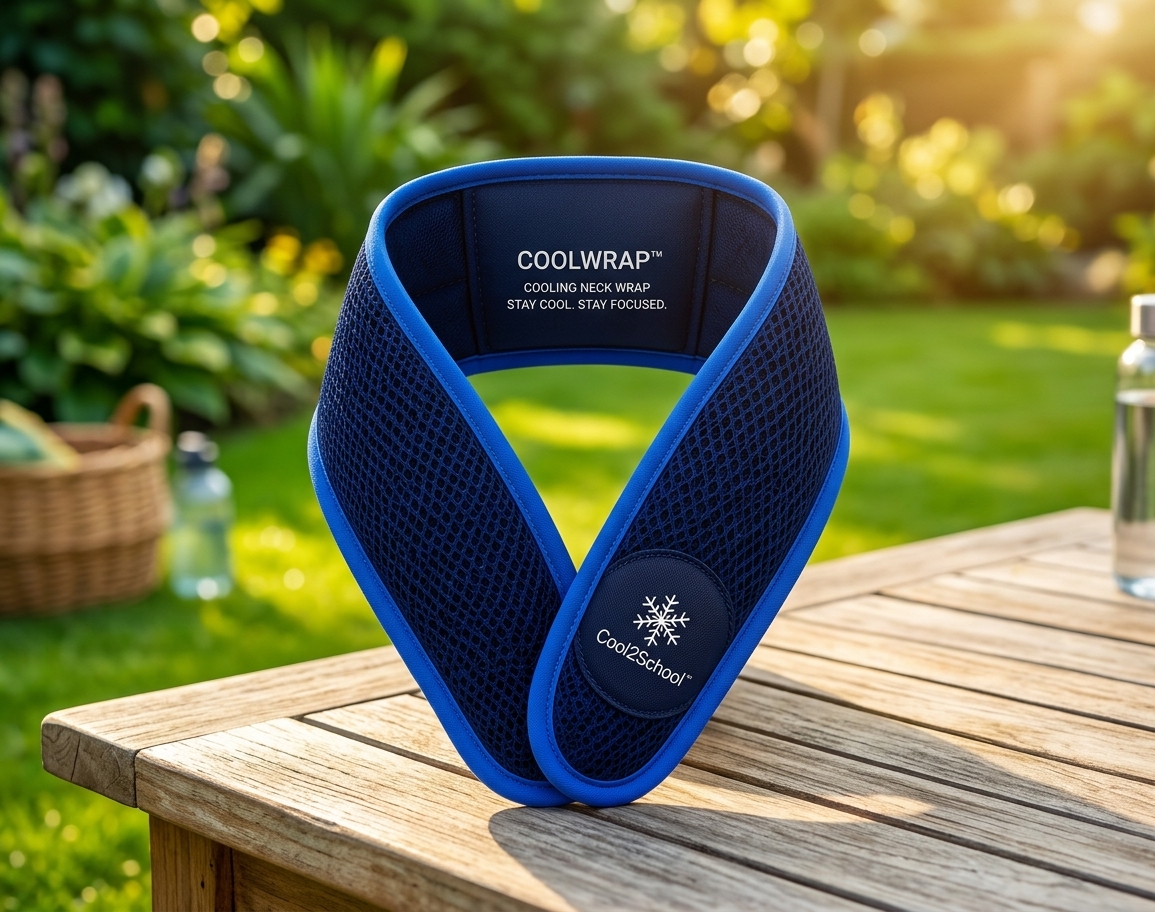
- Cooling products: Tools like cooling vests and neck wraps can provide relief and comfort during recess and physical activities.
The Importance of Education on Heat Awareness
Teaching children about heat and its effects is crucial. Educators can instil awareness by:
- Creating engaging lessons on weather and climate.
- Discussing the importance of self-care and listening to one's body when it's hot.
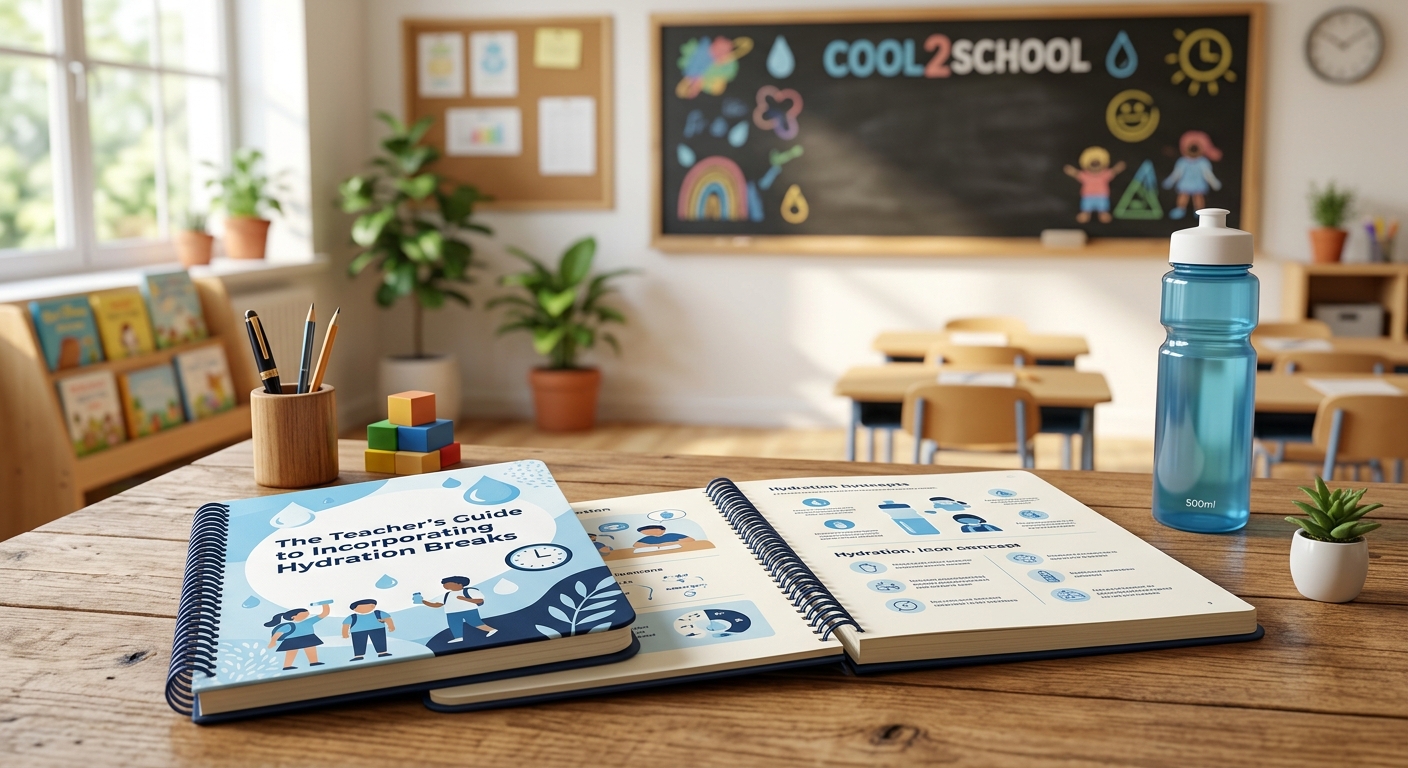
- Incorporating discussions on healthy hydration habits.
Adjusting Activities for Heat
It’s essential to modify activities based on the heat. When temperatures soar, consider the following adjustments:
- Limit outdoor games: Focus on less intense activities during peak heat hours.
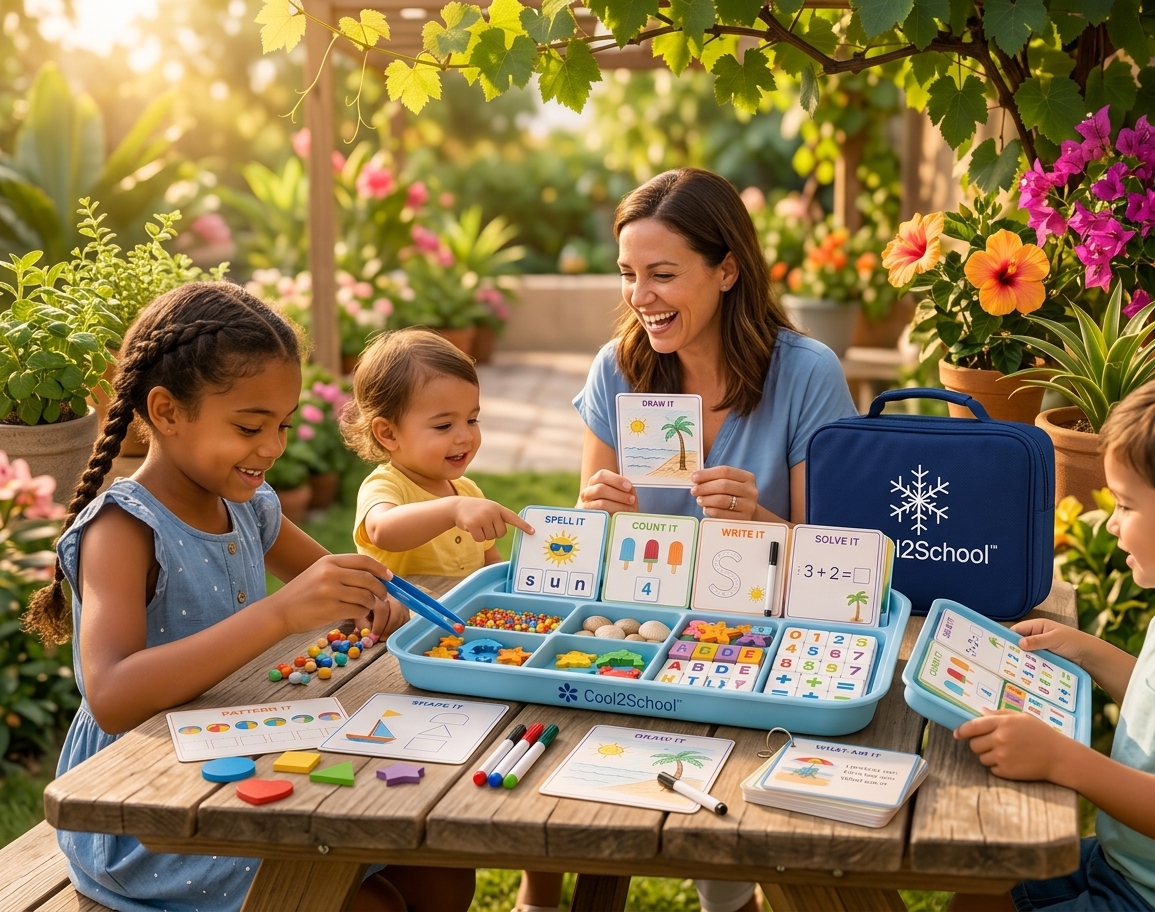
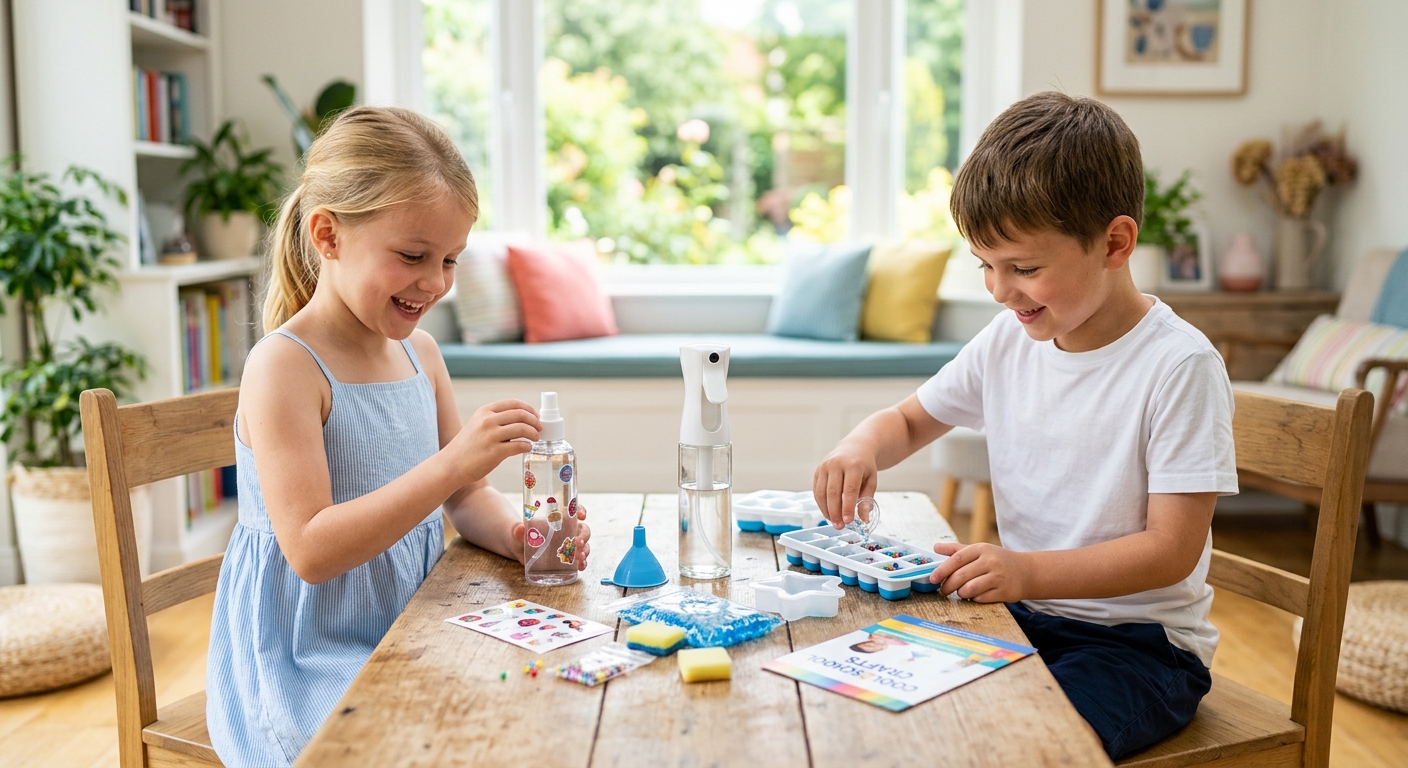
- Highlight indoor learning: Explore engaging indoor activities that promote learning without physical exertion.
- Utilise cooling products: Ensure access to Cool2School items like cooling hats and wraps to keep children comfortable and focused.
Key takeaways
- Heat can negatively impact children's concentration and cognitive functions.
- Hydration is key to maintaining focus in high temperatures.
- Creating temperature-controlled environments in schools can foster better learning.
- Regular breaks and cooling down strategies are essential on hot days.
- Education on heat awareness is vital for children’s self-care and safety.
By understanding how heat affects children's concentration, parents and educators can create supportive environments that maximise learning, even on the hottest days. Implementing strategies, encouraging hydration, and utilising Cool2School products can help children stay cool, focused, and engaged during their educational journey.
Get our free Heatwave Checklist
Join our newsletter and we'll send you a printable checklist to keep your children cool, hydrated and safe all summer.