As the summer sun shines brightly, it's essential to understand the effects of UV exposure on children's skin. Their delicate skin is particularly susceptible to the harmful effects of ultraviolet radiation, making it crucial for parents to take proactive measures to ensure their safety. In this article, we'll explore the importance of UV protection and offer practical tips to keep your children safe during those sunny days.
The Basics of UV Radiation
Ultraviolet (UV) radiation is a type of energy emitted by the sun that can cause skin damage. There are three types of UV rays: UVA, UVB, and UVC. While UVC rays are absorbed by the ozone layer and do not reach the earth's surface, UVA and UVB rays can penetrate the skin and lead to adverse effects.
Why Children Are More Vulnerable
Children's skin is thinner and more sensitive than that of adults, making them more susceptible to UV-related harm. Factors contributing to their vulnerability include:
- Thinner epidermis
- Higher skin surface area relative to body size
- Greater outdoor exposure
These factors necessitate extra caution and protective measures to ensure kids enjoy the summer sun safely.
Health Risks Associated with UV Exposure
Too much sun exposure can lead to various health risks for children. Some of the most common issues include:
- Sunburn: Painful and potentially damaging to skin.
- Premature ageing: UV exposure contributes to skin ageing over time.
- Skin cancer: Cumulative UV damage increases the risk of melanoma and other skin cancers later in life.
It's crucial that parents acknowledge these risks and implement safeguards.
Practical Tips for UV Protection
Keeping children safe from UV rays doesn’t have to be complicated. Here are some effective strategies:
- Seek Shade: Encourage your children to play in shaded areas, especially during peak sun hours (10 AM to 4 PM).
- Wear Protective Clothing: Dress kids in lightweight, long-sleeved shirts, trousers, and wide-brimmed hats. Protective clothing with a high ultraviolet protection factor (UPF) rating is ideal.
- Apply Sunscreen: Use a broad-spectrum sunscreen with an SPF of at least 30. Apply generously and reapply every two hours, or more often if swimming or sweating.
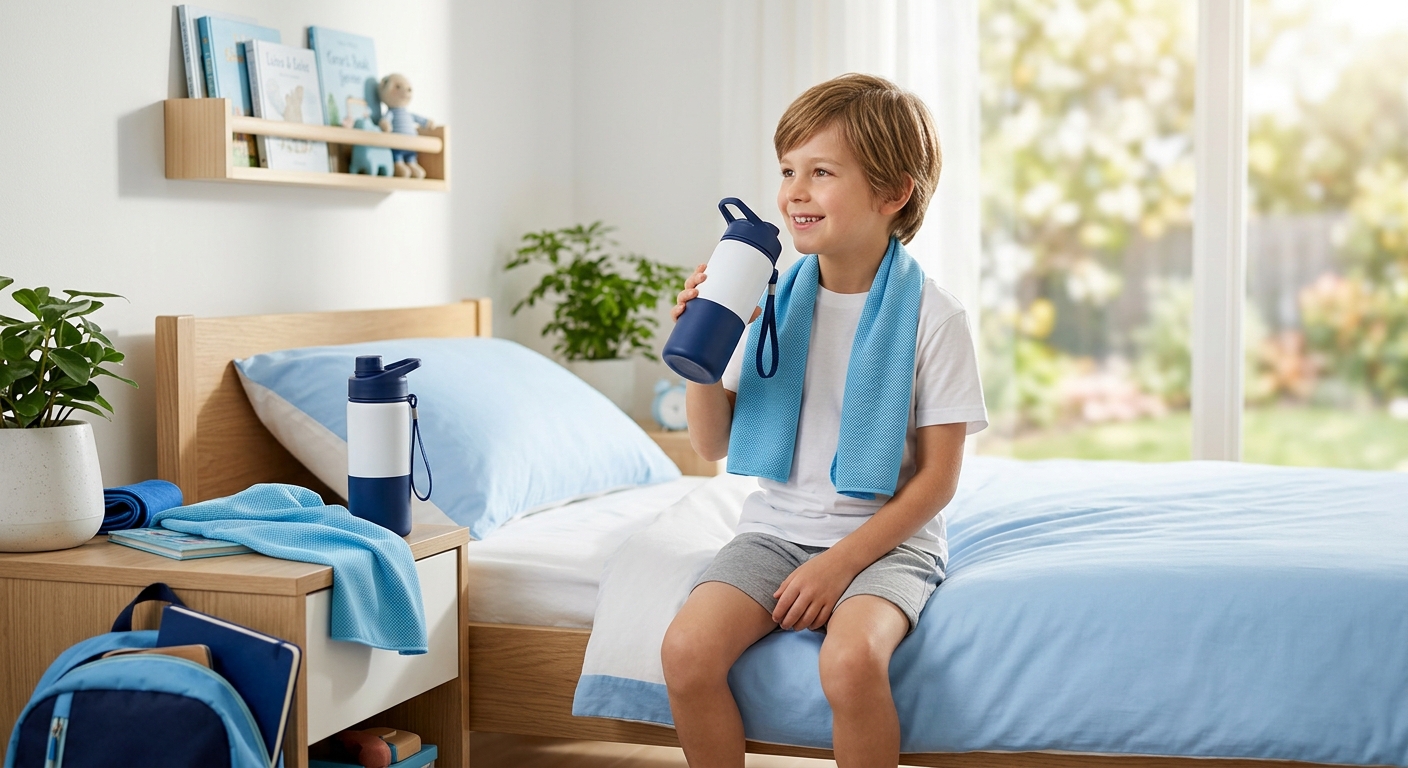
- Stay Hydrated: Heat can amplify the effects of UV exposure. Keep your children hydrated with plenty of fluids, using insulated water bottles to maintain coolness.
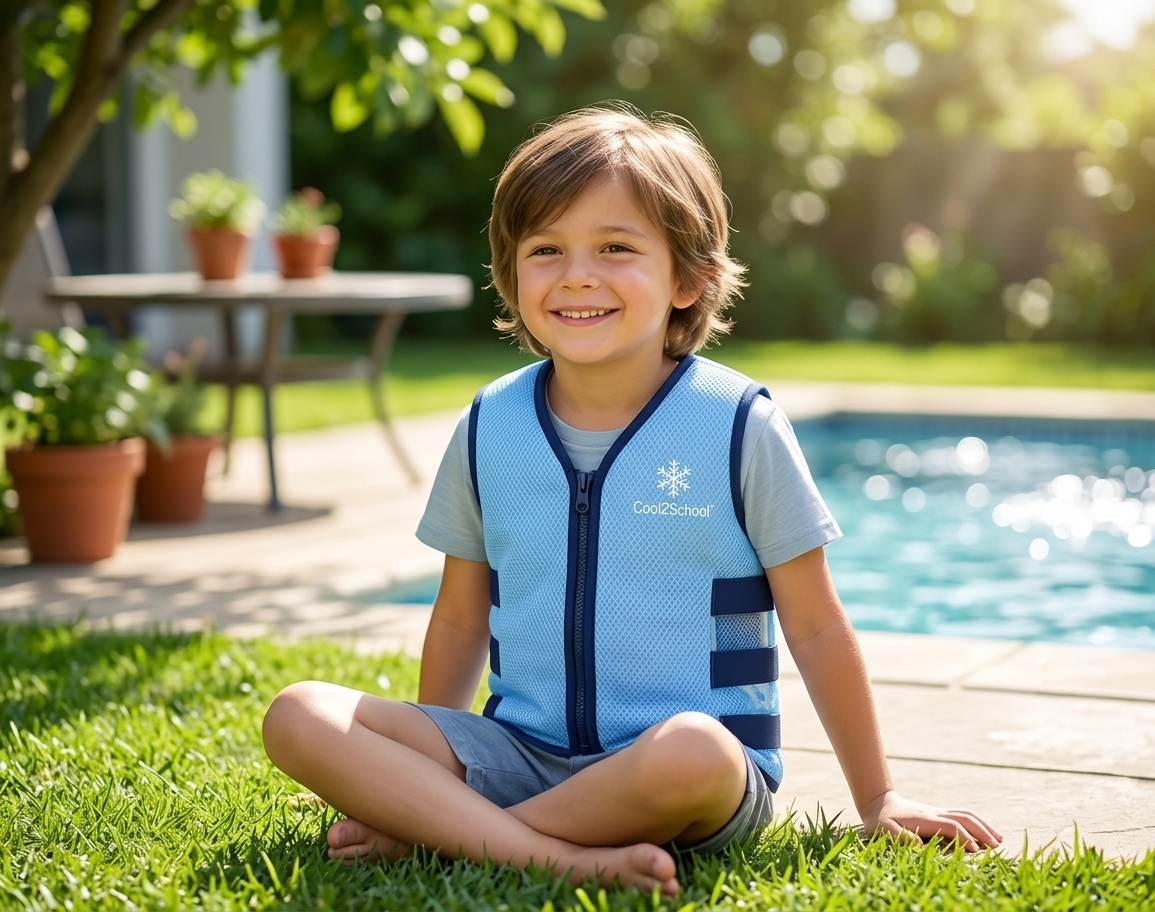
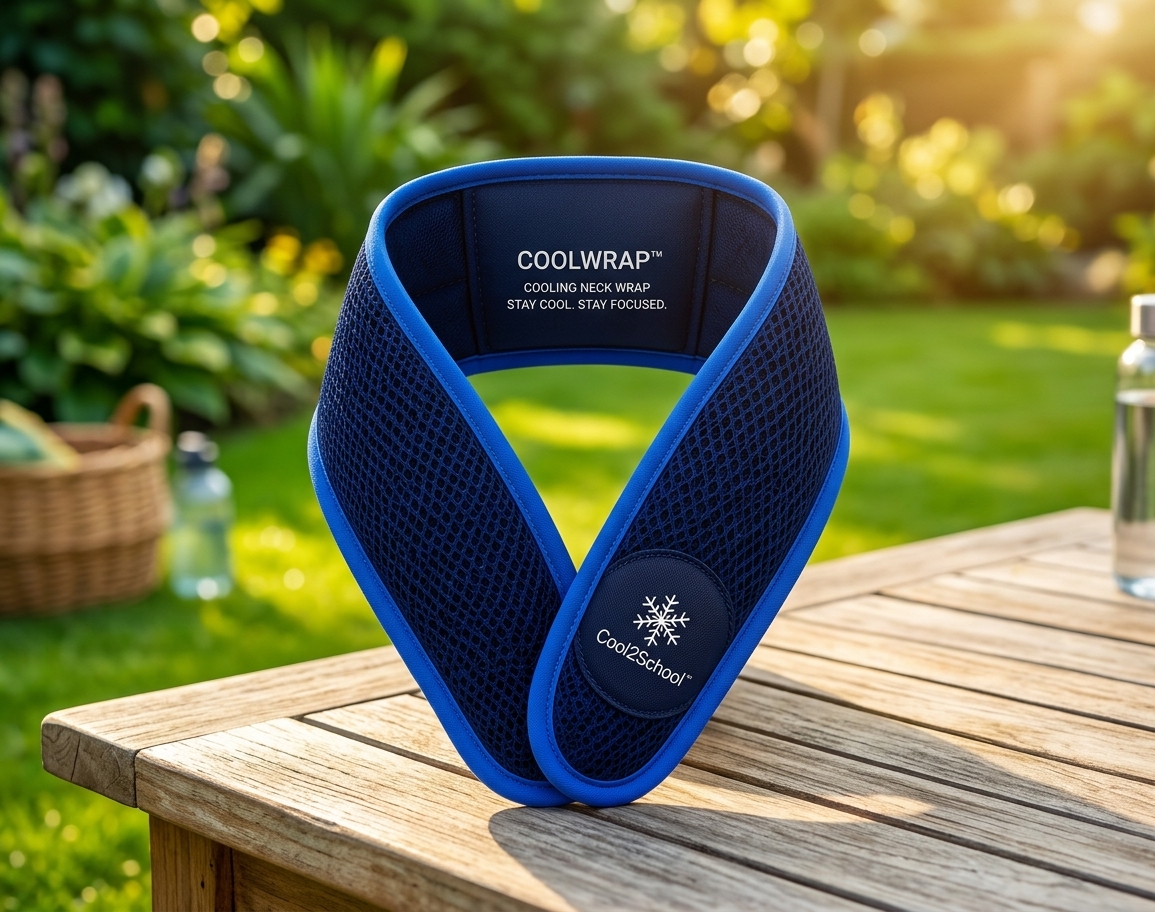
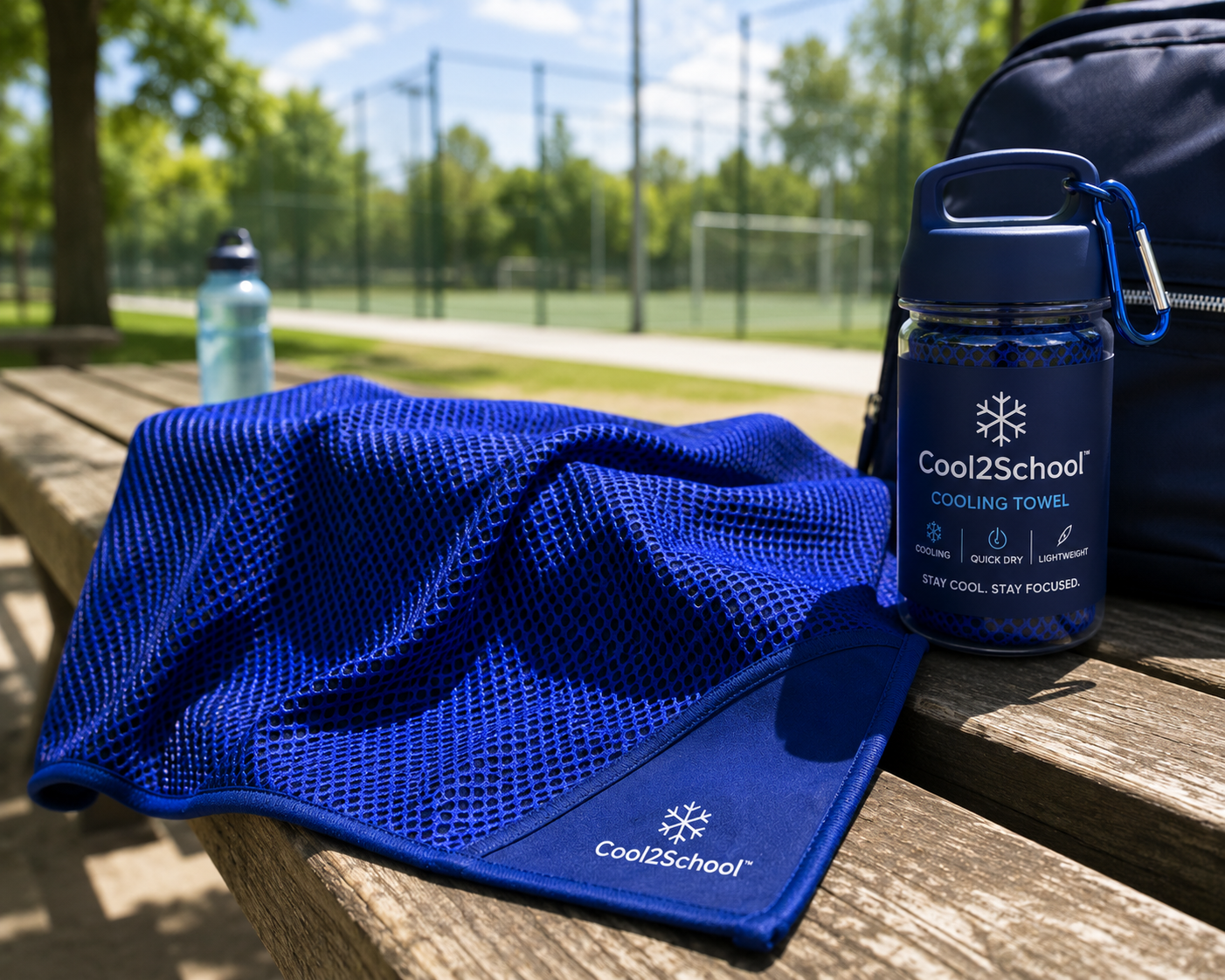
- Use Cooling Products: Equipment like cooling caps and vests can help regulate body temperature, allowing children to enjoy outdoor activities without overheating.
Recognising Signs of Sunburn
Even with precautions, sunburn can occur. Parents should be vigilant and look for signs such as:
- Redness or inflammation of the skin
- Pain or tenderness in affected areas
- Blisters, in severe cases
If you notice any of these symptoms, it's essential to take action by moving the child to a cooler place, applying a cool compress, and considering over-the-counter remedies for pain relief.
Key Takeaways
- Children's skin is especially sensitive to UV radiation.
- Effective sun protection includes shade, clothing, and sunscreen.
- Hydration is key to maintaining comfort in the heat.
- Recognise the signs of sunburn to take prompt action.
- Cool2School products can support children in staying comfortable while enjoying the outdoors.
Being proactive about UV protection not only helps your children enjoy the summer sun safely but also contributes to their long-term skin health. Incorporating these protective measures, along with our Cool2School cooling products, ensures a fun and safe summer for your little ones.
Get our free Heatwave Checklist
Join our newsletter and we'll send you a printable checklist to keep your children cool, hydrated and safe all summer.