As the sun beats down and the temperature rises, it's vital to understand how heat affects children's performance in sports. With school sports days on the horizon, insights into managing heat exposure can ensure that kids stay safe and fully engaged in their activities. Let's explore the various aspects of heat stress, hydration, and practical strategies to mitigate the effects of high temperatures on young athletes.
The Impact of Heat on Sports Performance
Heat can significantly influence a child's physical capabilities, particularly during sporting events. High temperatures can lead to fatigue, decreased endurance, and impaired skill execution. Children, being naturally active and enthusiastic, may push themselves beyond their limits without realising the associated risks.
Signs of Heat Stress in Children
It's crucial for parents, coaches, and teachers to recognise the signs of heat stress to act quickly if needed. Common symptoms include:
- Excessive sweating
- Fatigue or lethargy
- Dizziness or light-headedness
- Nausea or vomiting
- Muscle cramps
- Headache
- Confusion or irritability
The Importance of Hydration
Hydration is vital in maintaining optimum performance and reducing the risk of heat stress. Children can lose a significant amount of fluids through sweat, and thus it is essential to encourage regular fluid intake. Here are some hydration tips:
- Provide water regularly before, during, and after physical activity.
- Avoid sugary drinks and sodas as they can worsen dehydration.
- Consider using insulated water bottles to keep drinks cool throughout the event.
Clothing and Sun Protection
What children wear during sports can also impact their comfort and performance in hot weather. Choosing the right attire is crucial. Look for:
- Light-coloured, breathable fabrics that wick moisture away from the skin.
- Loose-fitting clothing that allows for air circulation.
- Wide-brimmed hats for sun protection.
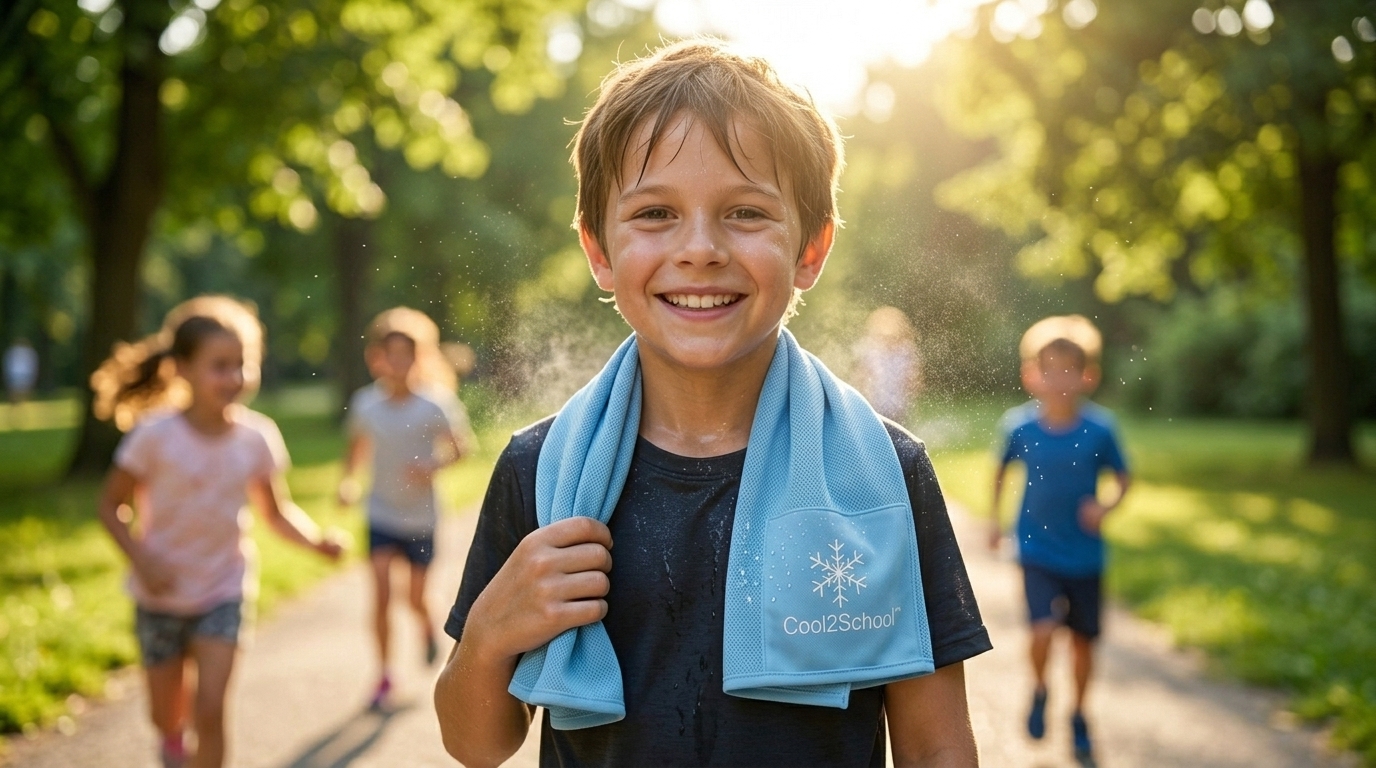
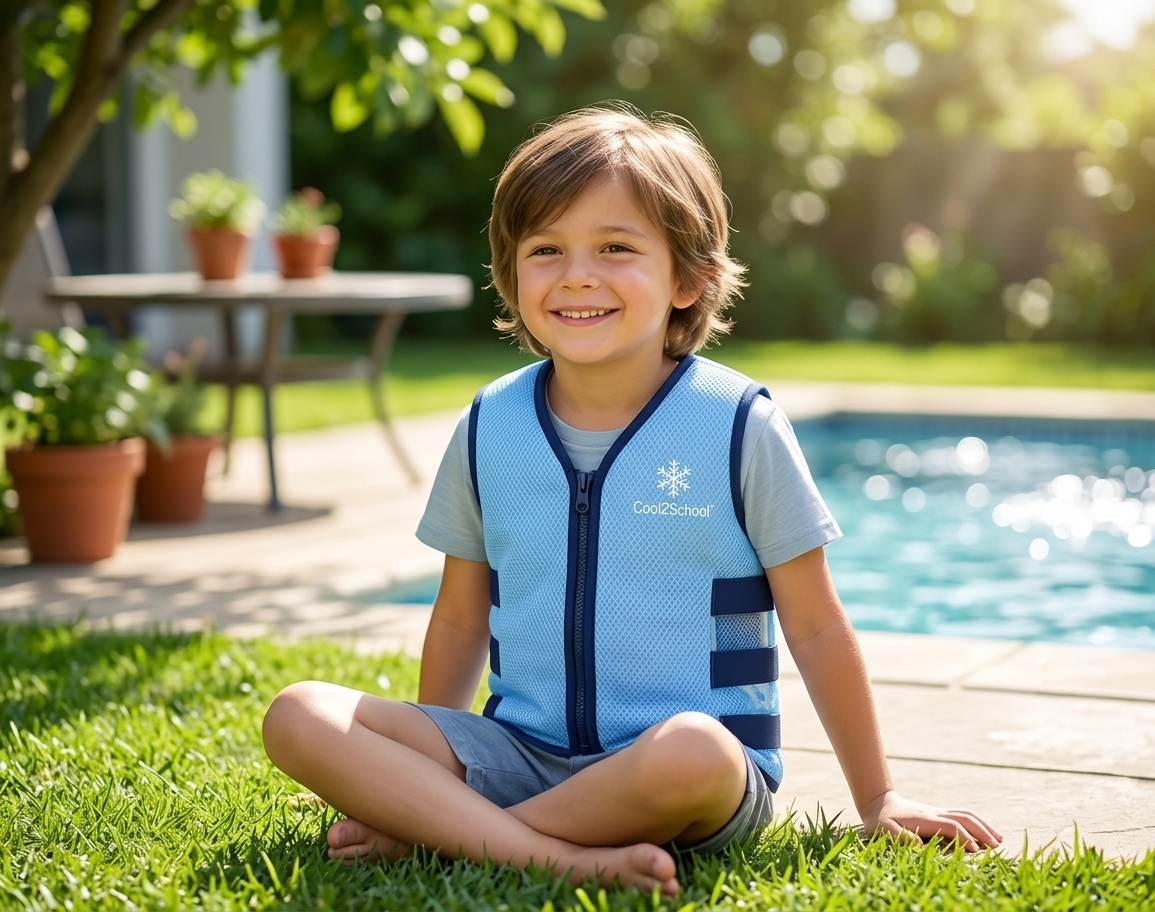
Cooling products, such as Cool2School cooling vests and neck wraps, are also beneficial for keeping children comfortable during high temperatures.
Timing and Scheduling of Activities
When planning sports day events, consider the timing to avoid the hottest parts of the day. Early morning or later in the afternoon are generally cooler times to conduct outdoor activities. It’s essential to stay flexible and adjust the schedule if temperatures rise significantly.
Post-Activity Recovery
After an activity session, allow children to rest and recover in a cool area, hydrate, and replenish any electrolytes lost during exercise. Recovery is an essential part of enhancing a child's performance as it helps prevent fatigue and prepares them for future activities.
Key Takeaways
- Heat can impair children's performance and increase the risk of heat-related illnesses.
- Recognising the symptoms of heat stress is essential for timely intervention.
- Hydration and proper clothing choices are key to keeping cool.
- Time outdoor activities wisely to minimise heat exposure.
- Cool2School products can aid in maintaining comfort during hot sports events.
Understanding the effects of heat on children's sports performance empowers parents and educators to create safer outdoor environments during the summertime. By implementing these practical strategies, we can ensure that sports day remains a fun and enjoyable experience for all.
Get our free Heatwave Checklist
Join our newsletter and we'll send you a printable checklist to keep your children cool, hydrated and safe all summer.