As summer approaches and temperatures rise, it’s crucial for parents and caregivers to understand heat-related illnesses in children. These conditions can affect children of all ages, particularly when they're active outdoors. Being aware of the signs and knowing how to prevent such illnesses can help keep our young ones safe and comfortable.
What are Heat-Related Illnesses?
Heat-related illnesses occur when the body overheats due to prolonged exposure to high temperatures, often coupled with physical exertion. These conditions can range from mild heat exhaustion to severe heatstroke. Children, especially, are more susceptible due to their smaller body size and less developed thermoregulation mechanisms.
Signs and Symptoms
Recognising the early signs of heat-related illnesses can make all the difference in ensuring timely intervention. Watch for:
- Heat Exhaustion: Symptoms may include heavy sweating, weakness, dizziness, nausea, and headache.
- Heat Stroke: A more serious condition that can cause confusion, seizures, a high body temperature, and even loss of consciousness.
If a child exhibits any of these symptoms, it’s vital to act quickly.
What to Do When Symptoms Appear
In the event a child shows signs of heat-related illness, take the following steps:
- Move them to a cooler place, preferably indoors or in the shade.
- Provide plenty of water or a rehydration solution.
- Apply cool, damp cloths to the child’s head, neck, and underarms.
- If symptoms persist or worsen, seek medical assistance immediately.
Preventing Heat-Related Illnesses
Prevention is always better than cure. Here are some effective strategies to help your child stay cool during hot days:
- Hydration: Ensure your child drinks plenty of water throughout the day, especially before and during outdoor activities.
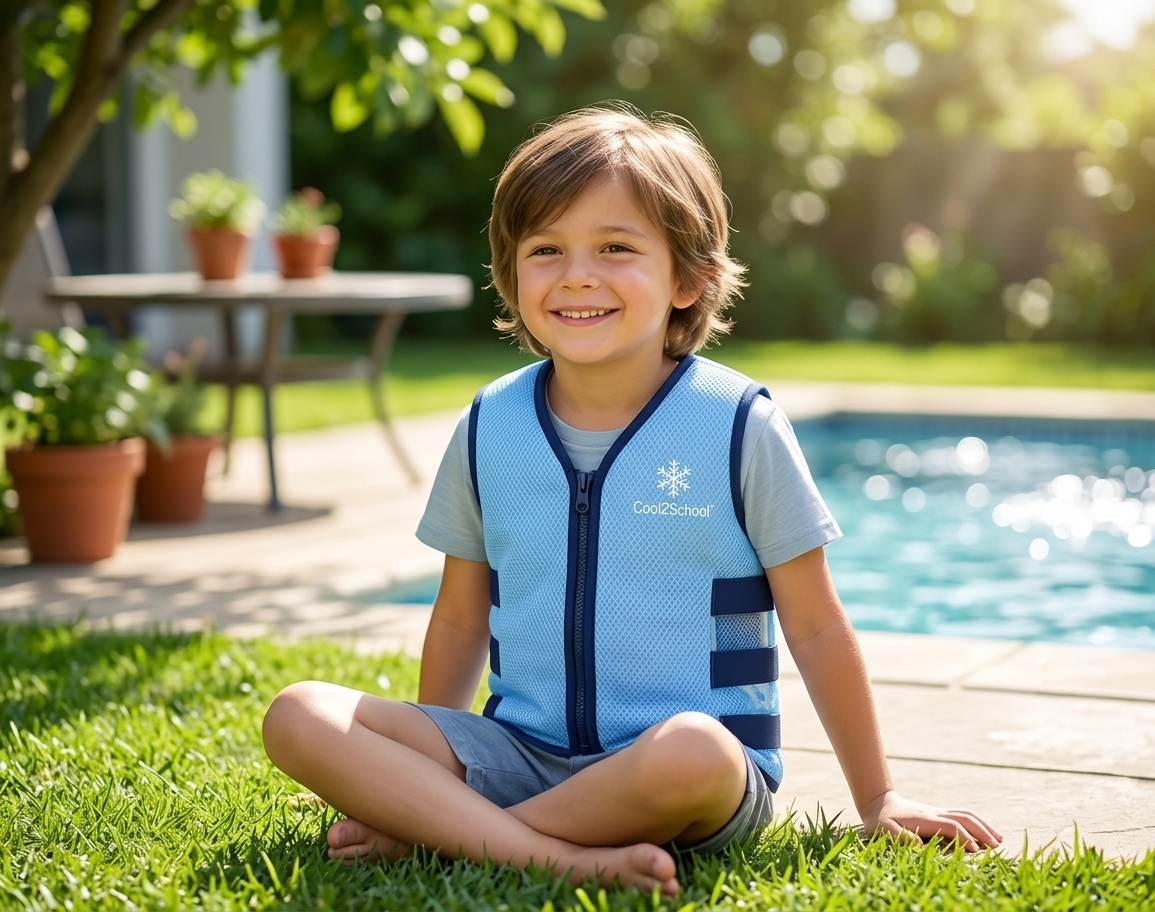
- Dress Appropriately: Light-coloured, loose-fitting clothes can help minimise heat retention. A Cool2School cooling vest can also aid in regulating body temperature.
- Schedule Activities Wisely: Try to plan outdoor play during cooler parts of the day, such as early morning or late afternoon.
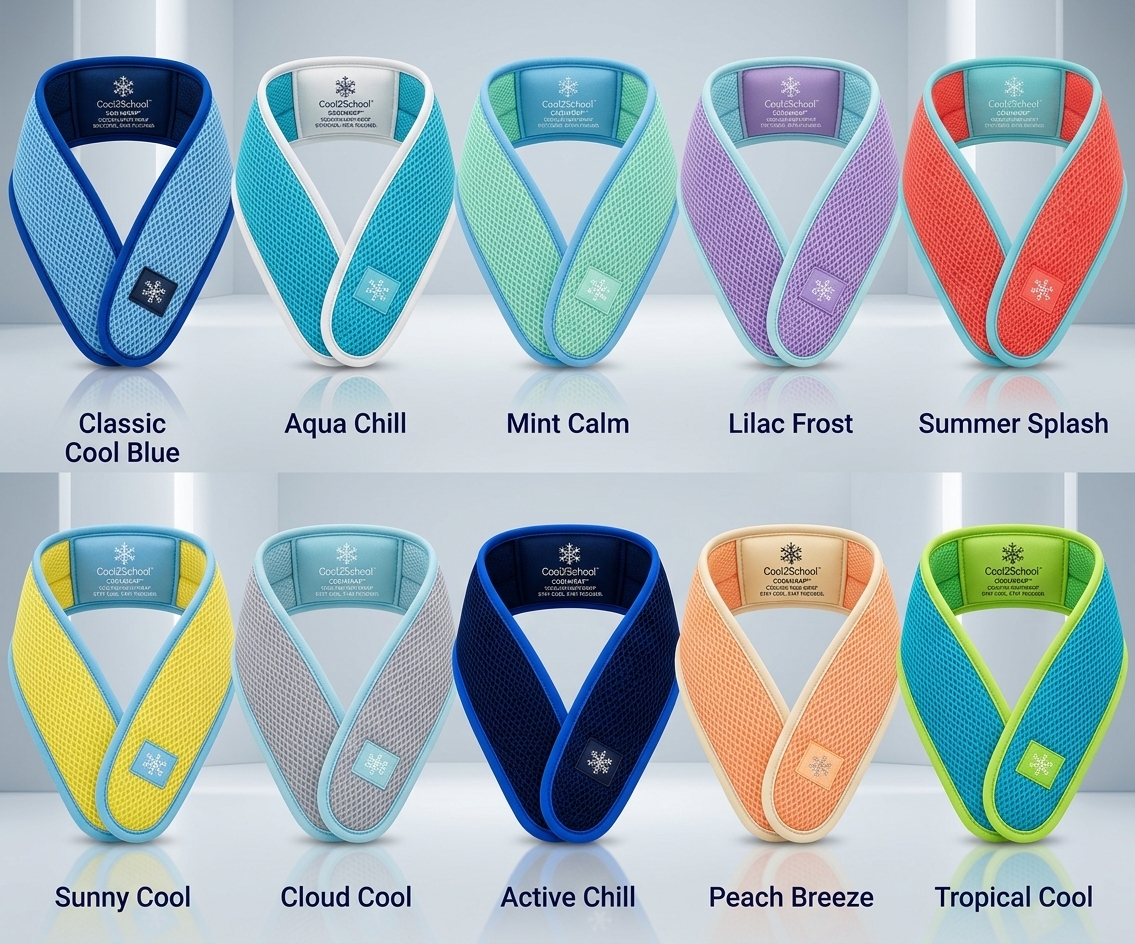
- Use Cooling Products: Cooling caps and neck wraps can provide additional relief from the heat, offering much-needed comfort.
Recognising Vulnerable Children
Some children are at higher risk for heat-related illnesses. Pay particular attention to those who:
- Are very young or very old.
- Have certain medical conditions, like asthma or obesity.
- Are taking medications that affect the body's ability to regulate temperature.
For these children, it's even more essential to be vigilant about heat safety.
Encouraging Cool Play
Encouraging kids to engage in various kinds of play during hot days can also help prevent overheating. Activities like:
- Water play
- Shaded outdoor games
- Indoor crafts and activities in air-conditioned environments
can provide not only a fun outlet but also a safe way to beat the heat.
Key takeaways
- Heat-related illnesses can affect children quickly, so awareness is critical.
- Recognise the signs of heat exhaustion and heat stroke for timely action.
- Preventive measures, including hydration and appropriate clothing, can help keep children safe.
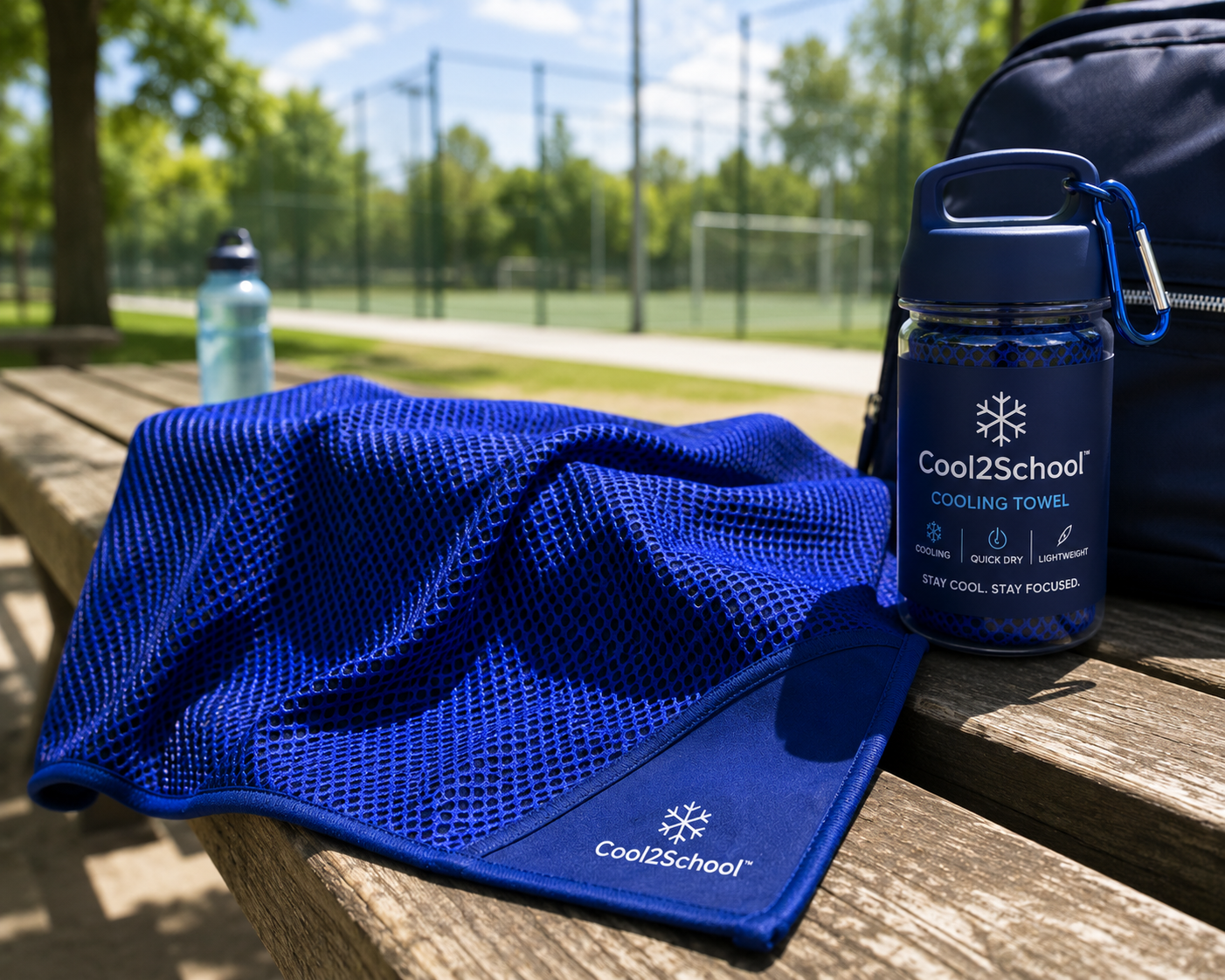
- Utilising products like cooling vests and caps from Cool2School can enhance comfort.
By being informed and prepared, we can better protect our children from heat-related illnesses and ensure they enjoy their summer days without the dangers that extreme heat can bring.
Get our free Heatwave Checklist
Join our newsletter and we'll send you a printable checklist to keep your children cool, hydrated and safe all summer.