As the warmer months approach, understanding how children tolerate heat becomes paramount for every parent. Unlike adults, children's bodies are still developing and may not regulate temperature as efficiently. This article dives into the nuances of children's heat tolerance and practical strategies to ensure they stay comfortable and hydrated.
The Basics of Heat Tolerance
Children have unique physiological characteristics that affect their ability to manage heat. A few key factors include:
- Body Surface Area: Children have a higher body surface area to volume ratio, making them more susceptible to heat gain.
- Increased Metabolic Rate: Kids tend to have a higher metabolic rate, producing more internal heat during physical activity.
- Less Effective Sweating: Young children may not sweat as efficiently, making it harder for them to cool down.
Signs of Heat-Related Illness
It's crucial for parents to recognise the signs of heat distress in children:
- Excessive sweating
- Red or flushed skin
- Fatigue or lethargy
- Nausea or headache
- Rapid heartbeat
- Confusion or dizziness
If you notice any of these symptoms, it’s essential to move your child to a cooler environment and offer water or other hydrating fluids.
Strategies for Keeping Kids Cool
As temperatures rise, keeping children cool is vital. Here are practical strategies to help:
- Stay Hydrated: Encourage your child to drink plenty of water throughout the day. Consider giving them Cool2School's insulated water bottles to keep drinks cold.
- Dress Appropriately: Light, loose-fitting clothing helps children stay cool. Look for breathable fabrics that wick away moisture.
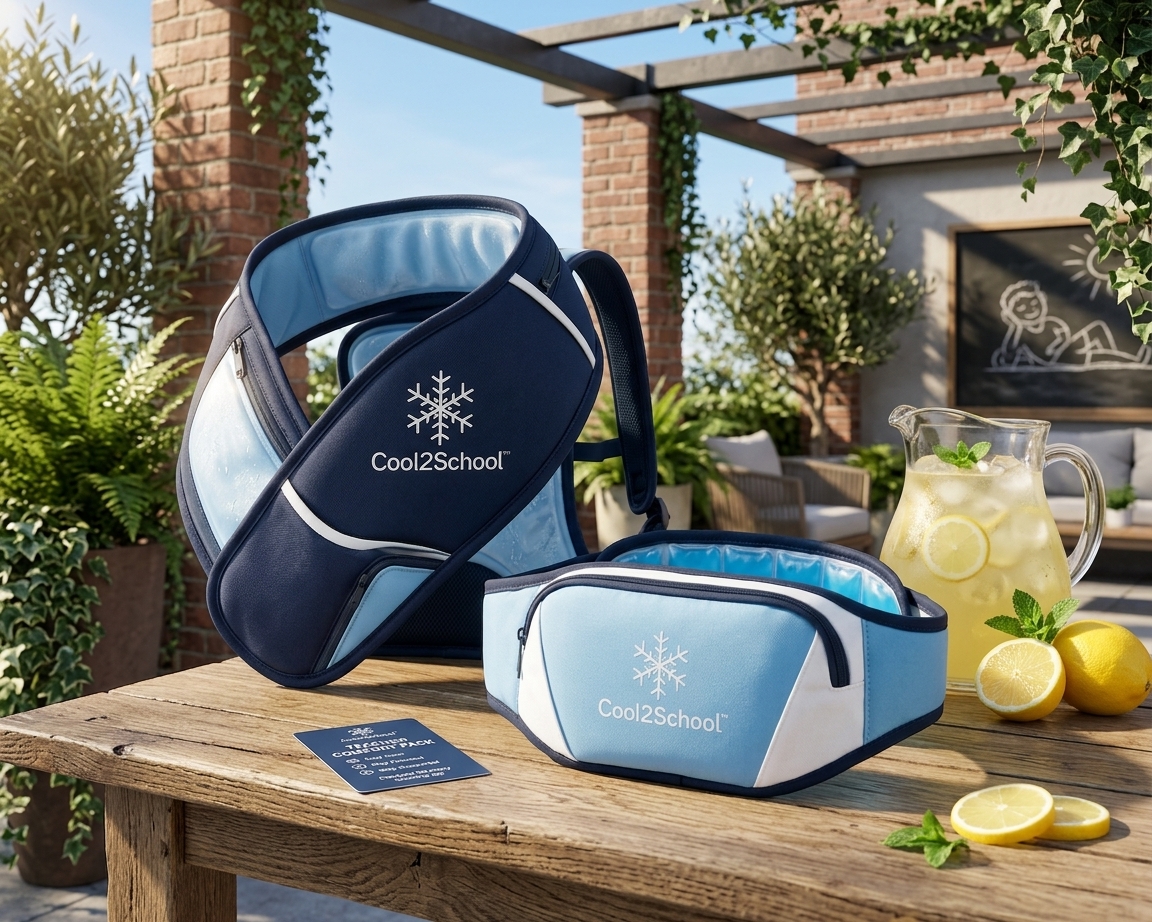
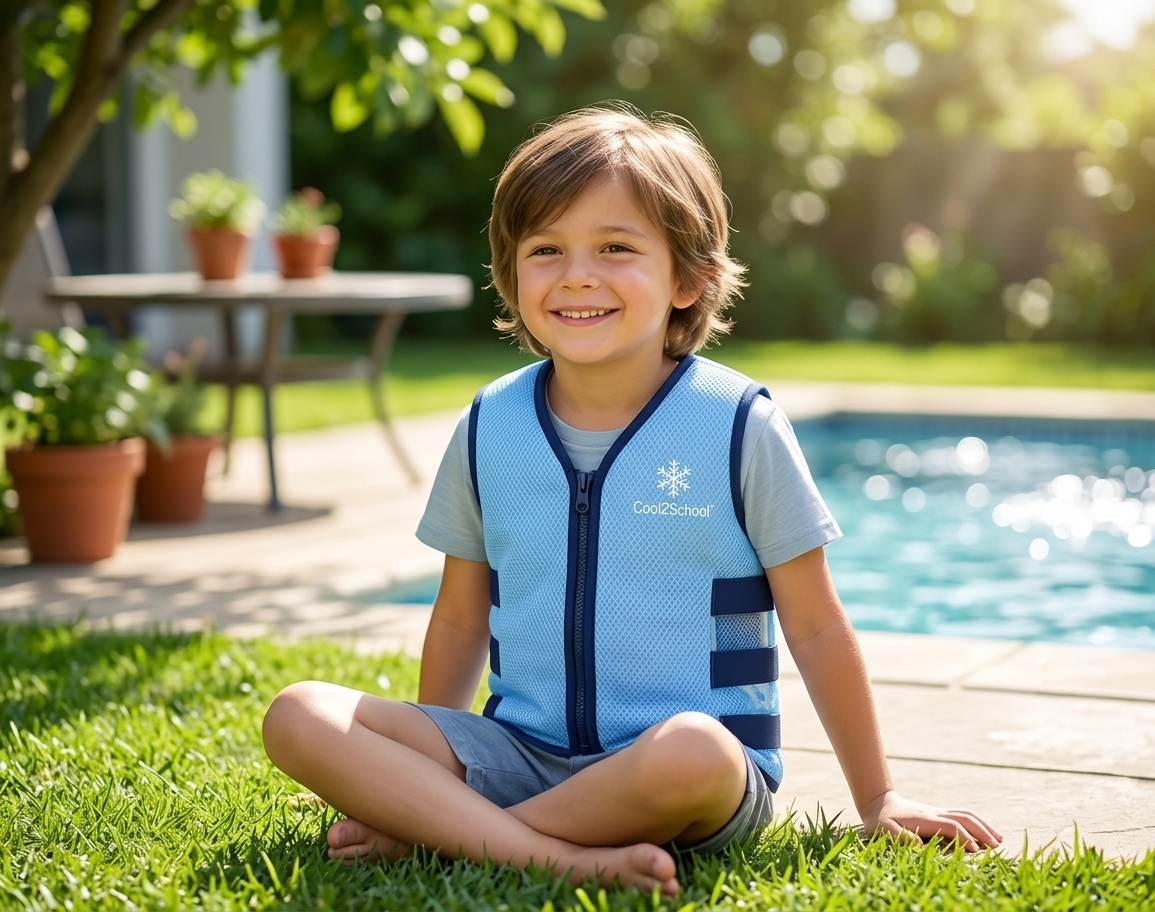
- Use Cooling Products: Clothing like cooling vests, caps, and neck wraps from Cool2School can provide on-the-spot relief from heat.
- Schedule Activity Wisely: Plan outdoor activities during cooler parts of the day, such as early morning or late afternoon.
Creating a Cool Environment
Making your home or classroom cooler can help children feel more comfortable:
- Shade and Ventilation: Use blinds or curtains to block direct sunlight and ensure rooms are well-ventilated.
- Cool Bath or Shower: A quick cool-down in a bath or shower can help lower body temperature dramatically.
- Portable Fans: Use fans to create airflow and circulate cooler air around the room.
Educating Children on Heat Safety
It's never too early to teach kids about the importance of heat safety. Encourage them to:
- Recognise the signs of overheating
- Understand the importance of hydration
- Participate in cooling activities
Raising awareness can empower children to take responsibility for their own comfort and well-being during hot weather.
Key takeaways
- Children are more susceptible to heat due to their developing bodies.
- Recognising the signs of heat-related illness is essential for timely intervention.
- Practical strategies, like hydration and appropriate clothing, can help mitigate heat effects.
- Educational conversations about heat safety empower children.
- Utilising cooling products, such as those offered by Cool2School, can provide immediate relief during high temperatures.
In summary, ensuring that children remain safe and comfortable during hot weather is key to their health and well-being. Equip them with the right knowledge and tools, like Cool2School's cooling products, to help them enjoy the summer days while staying cool.
Get our free Heatwave Checklist
Join our newsletter and we'll send you a printable checklist to keep your children cool, hydrated and safe all summer.