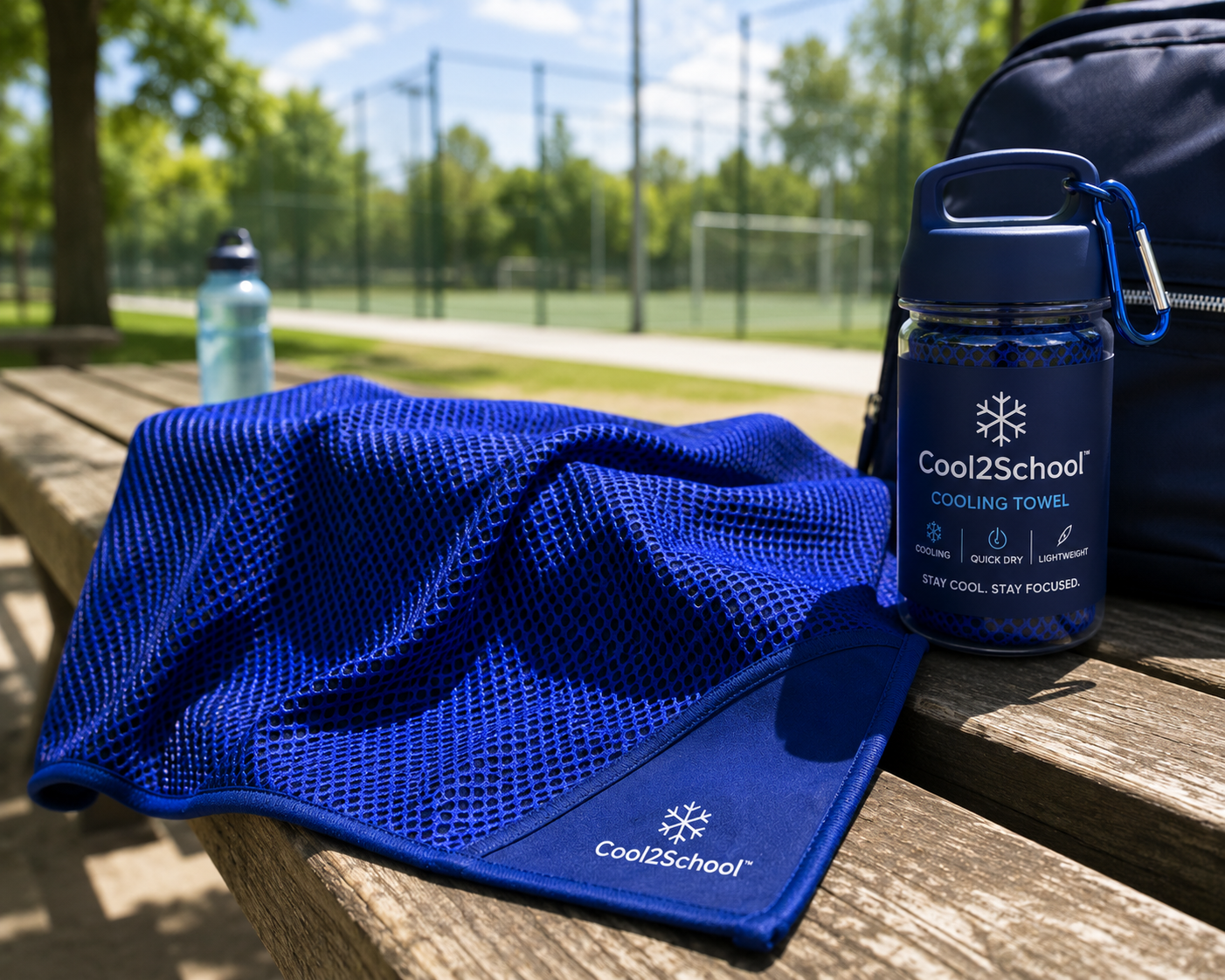
As temperatures rise, so do the challenges faced by students in the classroom. Heat can significantly affect concentration, comfort, and overall health, especially for children who may not express their discomfort. As teachers, it's crucial to create a supportive environment for students with heat-related needs. Here are some invaluable tips to help you navigate hot days effectively.
Understand the Signs of Heat Exhaustion
First and foremost, it’s essential to recognise the signs of heat exhaustion. Children may exhibit a range of symptoms, including:
- Excessive sweating
- Skin that feels cool and clammy
- Rapid pulse
- Dizziness or fainting
- Nausea
Being aware of these signs can help you take immediate action if a student begins to show signs of heat-related illness.
Create a Cool Classroom Environment
Ensure that your classroom remains as cool as possible. Here are some strategies to consider:
- Open windows for ventilation, if safe to do so.
- Use fans to circulate air.
- Close blinds during peak sunlight hours to reduce heat.
- Encourage regular breaks outside to let students cool down in the shade.
By maintaining a more comfortable indoor temperature, you help students focus better on their studies.
Encourage Hydration
Hydration is key during hot days. Ensure that students have access to water at all times. Here’s how you can promote it:
- Have water bottles available for all students and encourage them to take sips throughout the day.
- Teach students about the importance of staying hydrated and the signs of dehydration.
- Organise scheduled water breaks during lessons.
Cool2School’s insulated water bottles can be a great asset, keeping drinks cool while encouraging regular consumption of water.
Incorporate Cooling Activities
Physical activity is essential for children, but during hot weather, it's essential to modify activities. Consider:
- Conducting outdoor activities during cooler parts of the day, such as early morning or late afternoon.
- Incorporating structured indoor physical education sessions with lower intensity.
- Introducing 'cool-down' periods where students can relax and hydrate.
By adapting activities, you ensure children remain active while safeguarding their health.
Communicate with Parents
Open lines of communication with parents or guardians are vital. Here’s how you can facilitate this:
- Send home information about heat-related challenges and strategies for keeping children safe.
- Encourage parents to provide sun protection items like hats or cooling vests for outdoor play.
- Organise meetings to discuss school policies during hot weather.
By working together with families, you bolster support for students.
Model Healthy Behaviours
As a teacher, your actions speak volumes. Model positive behaviours by:
- Staying hydrated and taking breaks yourself.
- Wearing appropriate clothing for the heat.
- Encouraging students when they engage in cooling activities and discuss their well-being.
Children learn by example, so showcasing healthy practices helps reinforce their importance.
Key takeaways
- Recognise the signs of heat exhaustion early.
- Maintain a cool classroom with ventilation and shaded areas.
- Encourage regular hydration using accessible water bottles.
- Adapt physical activities to minimise heat exposure.
- Communicate regularly with parents regarding heat safety.
- Lead by example in healthy habits.
By implementing these strategies, you can make your classroom a place of safety and comfort during hot weather. With the right adjustments, you ensure that both learning and well-being can thrive, no matter how high the temperatures climb.
Get our free Heatwave Checklist
Join our newsletter and we'll send you a printable checklist to keep your children cool, hydrated and safe all summer.