As the sun shines brighter and temperatures rise, protecting our children from harmful UV rays becomes paramount. Sun safety education in schools is an essential step in nurturing a generation that understands the importance of UV protection. By integrating sun safety into the school curriculum, we equip our kids with the knowledge they need to enjoy sunny days safely.
Understanding UV Radiation
Ultraviolet (UV) radiation is a type of energy emitted by the sun that can damage skin and eyes. The two types of UV rays contributing to skin damage include UVA, which penetrates deeply into the skin and can cause premature ageing, and UVB, which can lead to sunburn. Children, with their delicate skin, are particularly susceptible, making sun safety education critical.
Why Teach Sun Safety in Schools?
Schools are a perfect environment to impart essential life lessons, including sun safety. Here are a few reasons why it’s vital:
- Build Awareness: Educating children about sun safety helps foster a culture that values skin protection.
- Long-term Health: Instilling sun-safe habits early can prevent skin damage and reduce the risk of skin cancer later in life.
- Peer Influence: Children often influence one another; teaching them sun safety empowers them to remind their friends.
Practical Ways to Implement Sun Safety Education
There are numerous strategies teachers can employ to educate students about sun safety effectively:
- Integrate into Curriculum: Incorporate lessons on sun safety into science, health, or physical education classes.
- School Policies: Ensure that outdoor activities are conducted during safer times of day, and encourage hats and sunscreen use.
- Interactive Workshops: Host workshops where students can engage in activities like creating posters, playing games or participating in role-play scenarios to learn about UV safety.
Creating a Sun-Safe Environment
Alongside education, it's important to create a supportive environment that promotes sun safety:
- Provide Resources: Ensure that schools have adequate supplies of sunblock and encourage students to bring their own.
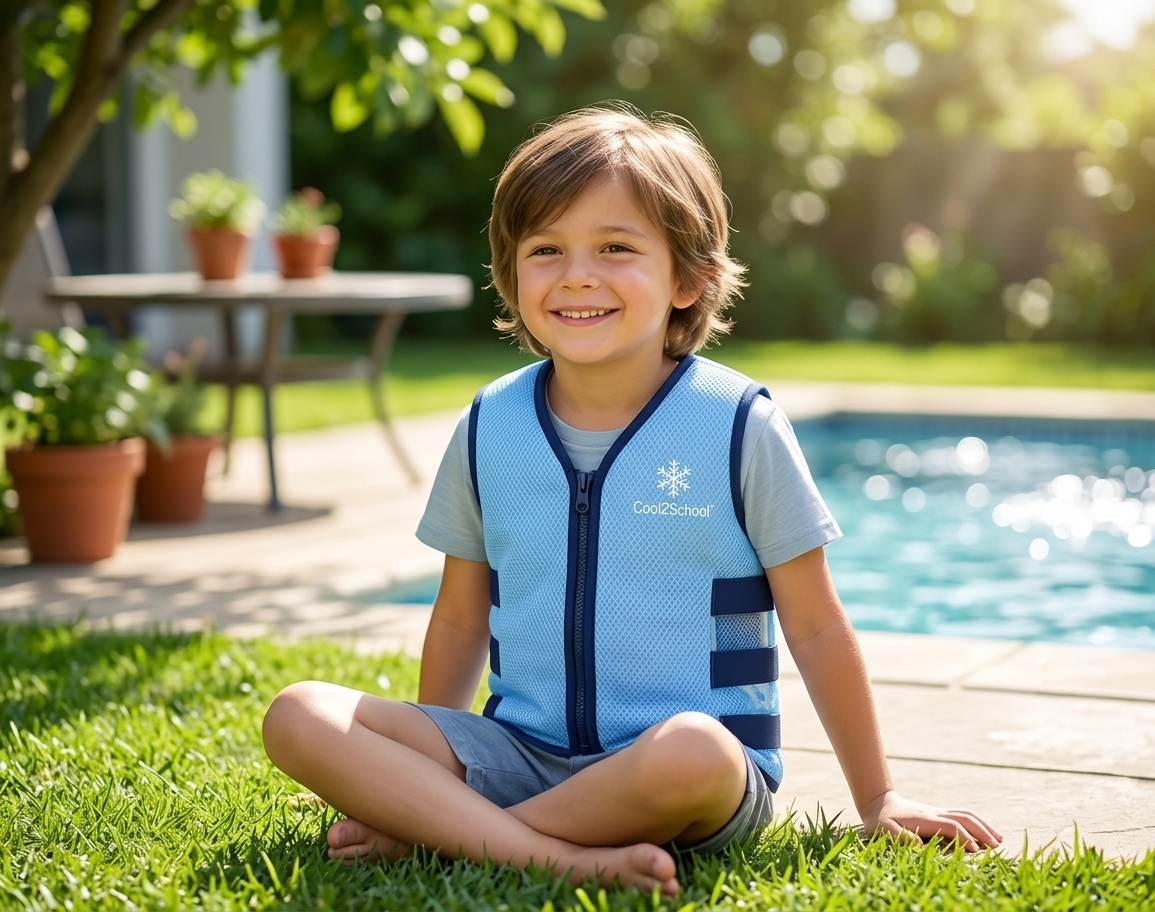
- Offer Cooling Products: Use items like Cool2School cooling caps and vests, which can significantly help in protecting against heat while enjoying outdoor play.
- Shade Awareness: Encourage students to play in shaded areas during recess to limit their sun exposure.
Involving Parents and the Community
Education doesn't just have to occur within school; involving parents and the wider community is crucial too:
- Communication: Send home newsletters or information sheets about sun safety to reinforce lessons learned at school.
- Community Events: Organise community events where families can learn about sun safety together.
Monitoring and Assessment
To ensure the effectiveness of your sun safety education program, regular monitoring and assessment are key:
- Feedback from Students: Conduct surveys to gather feedback on the children's understanding of sun safety.
- Review Policies Annually: Regularly assess and update school sun safety policies based on the latest research and feedback.
Key takeaways
- Sun safety education is essential for promoting long-term health.
- Creating a supportive sun-safe environment requires a collaborative effort.
- Involving parents and the community enhances the effectiveness of education.
- Regular assessment of sun safety education programs is vital for improvement.
In conclusion, educating our children about sun safety is not just about avoiding sunburn; it’s about ensuring their long-term health and well-being. By prioritising sun safety education in schools, we foster an environment that promotes awareness and healthy habits. This summer, let's keep our children safe with the right knowledge, resources, and Cool2School products that make enjoying sunny days even safer.
Get our free Heatwave Checklist
Join our newsletter and we'll send you a printable checklist to keep your children cool, hydrated and safe all summer.