As the temperature rises during the warmer months, schools face the challenge of maintaining a comfortable learning environment for students and staff. Heat stress can affect concentration, productivity, and overall well-being. This article explores effective strategies teachers can implement to reduce heat stress in schools, ensuring that learning can continue in comfortable conditions.
Understand the Signs of Heat Stress
Recognising the signs of heat stress in students and staff is paramount for taking timely action. Common symptoms include:
- Excessive sweating
- Fatigue
- Nausea or dizziness
- Headaches
- Increased irritability
By being vigilant, teachers can ensure a prompt response if anyone appears to be suffering from heat-related conditions.
Adjust Classroom Activities
On particularly hot days, consider adjusting classroom activities to prevent students from overheating. Here are some suggestions:
- Schedule outdoor activities for the cooler parts of the day, such as early morning or late afternoon.
- Limit vigorous physical activities during peak heat hours.
- Incorporate more seated or indoor activities when the temperature rises.
- Utilise tools and materials that require minimal physical exertion to teach concepts.
By being smart about scheduling, teachers can create a conducive environment for learning.
Improve Classroom Ventilation
Good airflow is essential in reducing heat build-up in classrooms. Here are some tips on enhancing ventilation:
- Open windows and use fans to create cross-ventilation, if safety permits.
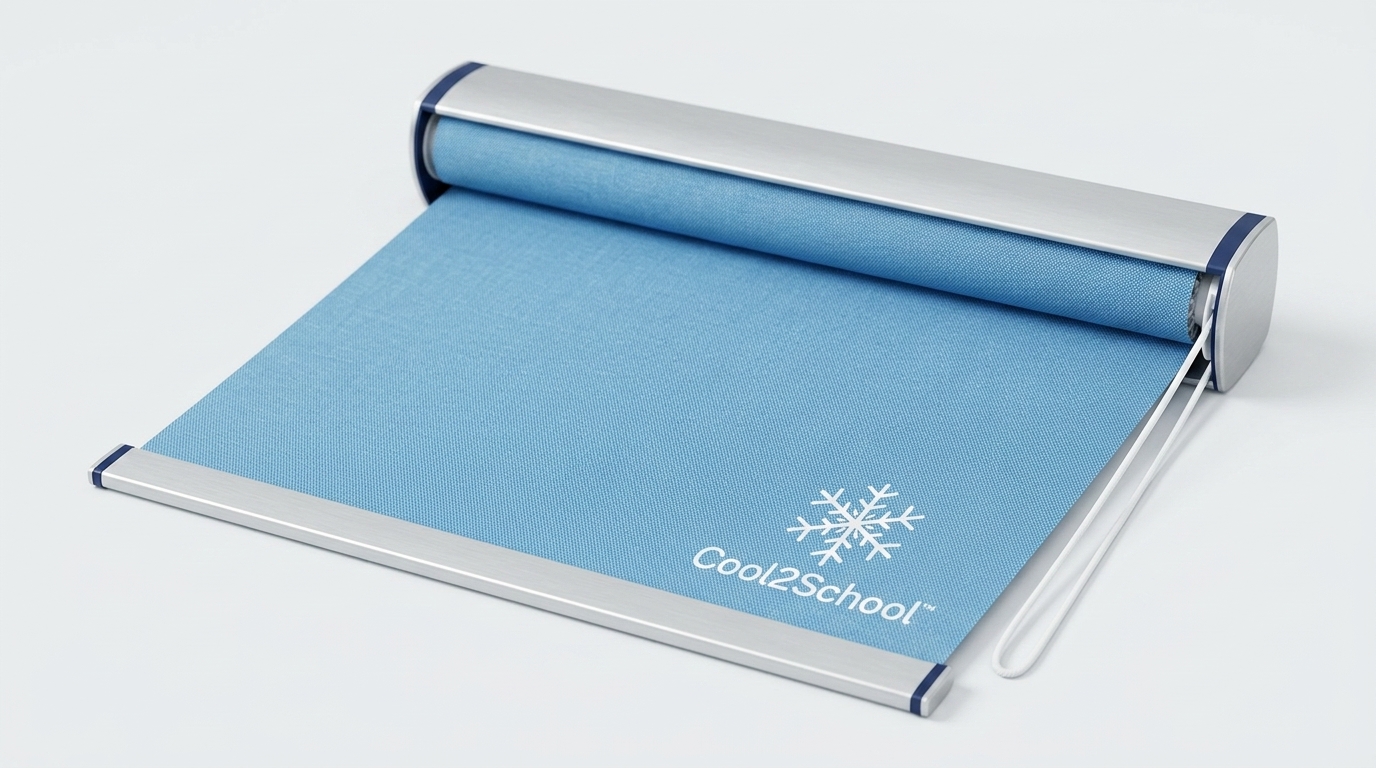
- Encourage the use of blinds or reflective materials to block direct sunlight.
- Consider air conditioning options or portable coolers in extreme cases.
Ensuring proper airflow can significantly decrease the temperature inside the classroom, making it a more pleasant space for students.
Enhance Hydration Practices
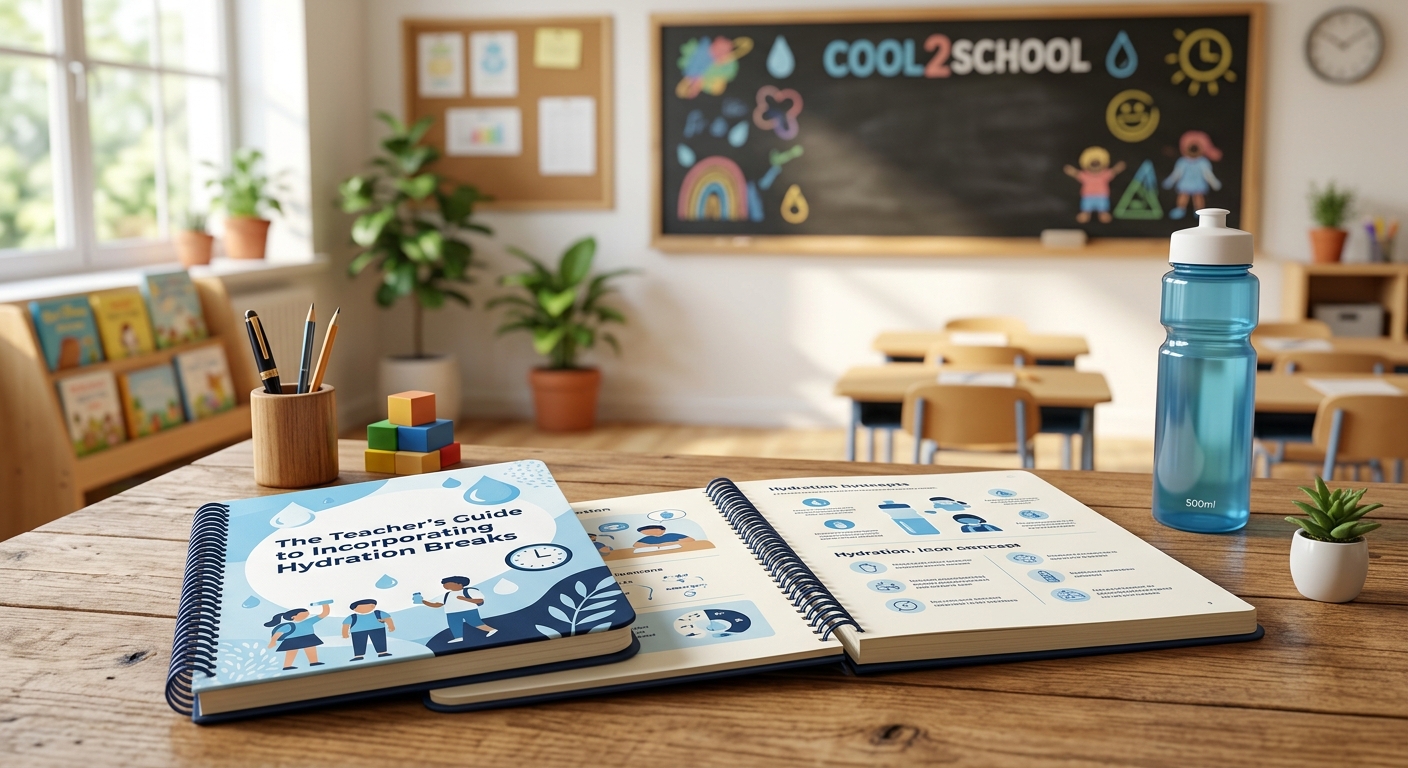
Keeping students hydrated is crucial on hot days. Encouraging water consumption can prevent dehydration and heat stress. Here’s how teachers can promote hydration:
- Allow students to keep water bottles at their desks or designated areas.
- Incorporate regular water breaks into the schedule.
- Highlight the importance of hydration during lessons to raise awareness.
Cool2School's insulated water bottles can be an excellent addition to these practices, keeping water at the desired temperature throughout the school day.
Implement Cooling Accessories
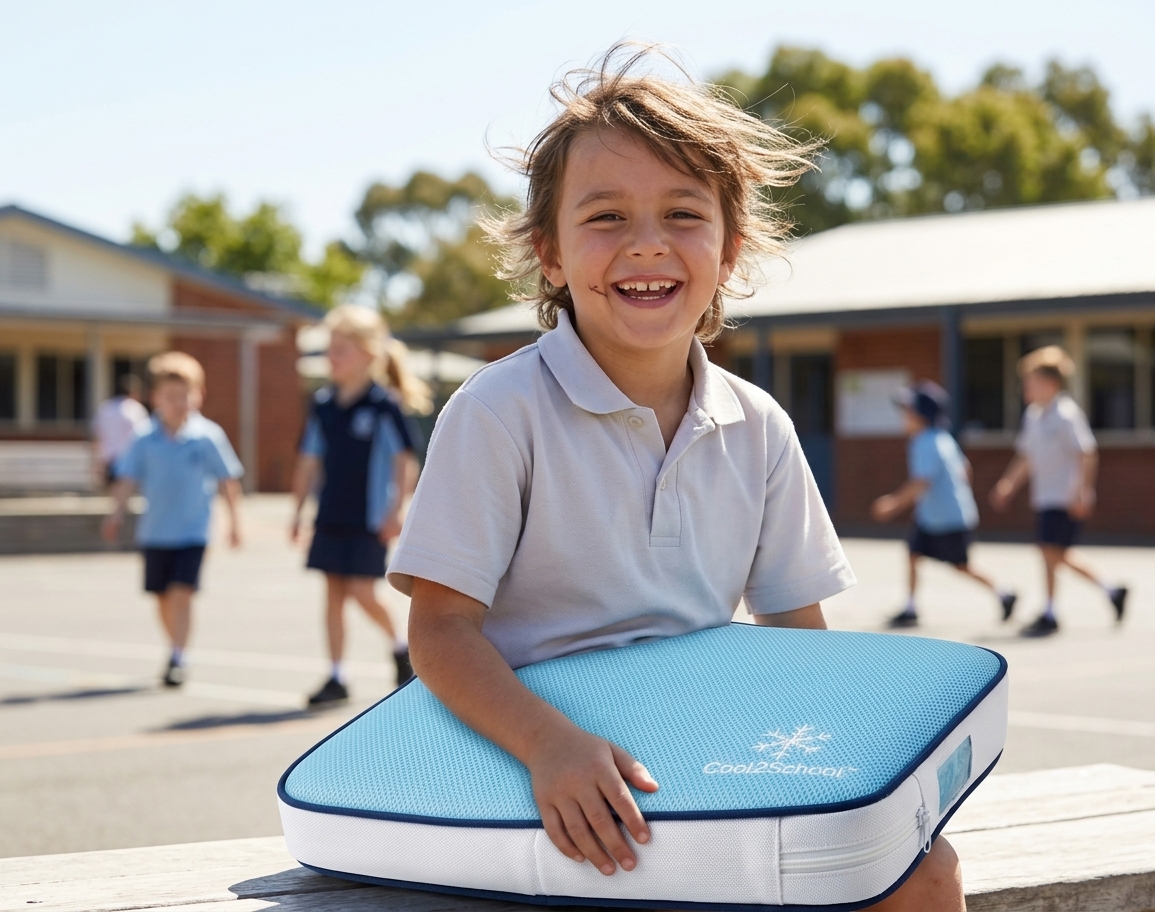
Consider incorporating practical cooling accessories into the students' daily resources. Products such as cooling vests, neck wraps, and caps can offer immediate relief from the heat. These can:
- Provide evaporative cooling, significantly lowering body temperature.
- Be worn easily during outdoor or physical activities.
- Help students stay comfortable and focused during lessons.
With the right tools, teachers can create a more comfortable learning experience that accommodates warm weather.
Foster a Culture of Awareness
Encouraging students to take personal responsibility for their well-being is critical. Schools can foster a culture that emphasizes awareness and proactive measures regarding heat stress. Consider the following:
- Teach students about the symptoms of heat stress and how to monitor their own well-being.
- Organise workshops that inform students on how to remain cool and avoid heat-related issues.
- Encourage students to speak up if they feel unwell due to heat.
This culture empowers students to take charge of their health, creating a personal connection to their well-being.
Key takeaways
- Recognise the signs of heat stress to ensure timely interventions.
- Adjust activities to avoid peak heat times for better comfort.
- Improve ventilation in classrooms to maintain a cool environment.
- Promote hydration and provide easy access to water throughout the day.
- Incorporate cooling accessories to enhance comfort in warm weather.
- Foster a culture of awareness and personal responsibility for health.
By implementing these strategies, teachers can help create a safer and more enjoyable learning environment for students during hot weather. Not only do these actions improve comfort, but they also enhance attention and engagement, allowing students to thrive in school even on the warmest days.
Get our free Heatwave Checklist
Join our newsletter and we'll send you a printable checklist to keep your children cool, hydrated and safe all summer.