With rising temperatures during summer months, it's essential for parents and caregivers to know how to identify heat-related symptoms in children. Young ones are particularly vulnerable to heat exhaustion and heat stroke, so being aware of the signs can make a world of difference in keeping them safe.
Understanding Heat-Related Illnesses
Heat-related illnesses can occur when children are exposed to high temperatures for prolonged periods. These can range from minor heat exhaustion to life-threatening heat stroke. Understanding the symptoms is the first step to keeping children safe.
Common Symptoms of Heat Exhaustion
Heat exhaustion is the milder form of heat-related issues. Recognising its symptoms early can prevent more severe complications:
- Heavy sweating
- Pale and clammy skin
- Weakness or fatigue
- Headache
- Nausea or vomiting
- Dizziness or fainting
In these instances, it's essential to move the child to a cooler environment and encourage them to hydrate.
Recognising Heat Stroke
Heat stroke is much more serious and requires immediate medical attention. Symptoms include:
- High body temperature (104°F/40°C or higher)
- Hot, dry skin
- Rapid pulse
- Confusion or irritability
- Loss of consciousness
If a child exhibits any of these symptoms, seek medical help right away. While waiting for assistance, move the child to a shaded or air-conditioned area and try to cool them down with damp cloths or a cool bath.
Encouraging Children to Speak Up
Teach children the importance of communicating how they're feeling, especially during hot weather. Encourage them to tell an adult if they feel dizzy, nauseous, or excessively tired. Children need to understand that it's always okay to say they're feeling unwell.
Keeping Children Hydrated
Proper hydration plays a crucial role in preventing heat-related illnesses. Ensure that children drink plenty of fluids before, during, and after outdoor activities. Water is the most effective, but you can also offer:
- Electrolyte drinks
- Fruits with high water content (like watermelon or oranges)
For school days or outdoor events, consider equipping them with an insulated water bottle to keep their drinks cool and refreshing.
Practical Tips for Hot Weather
Preventive measures can make a significant difference. Here are some practical tips:
- Avoid outdoor activities during peak sun hours (10 AM - 4 PM).
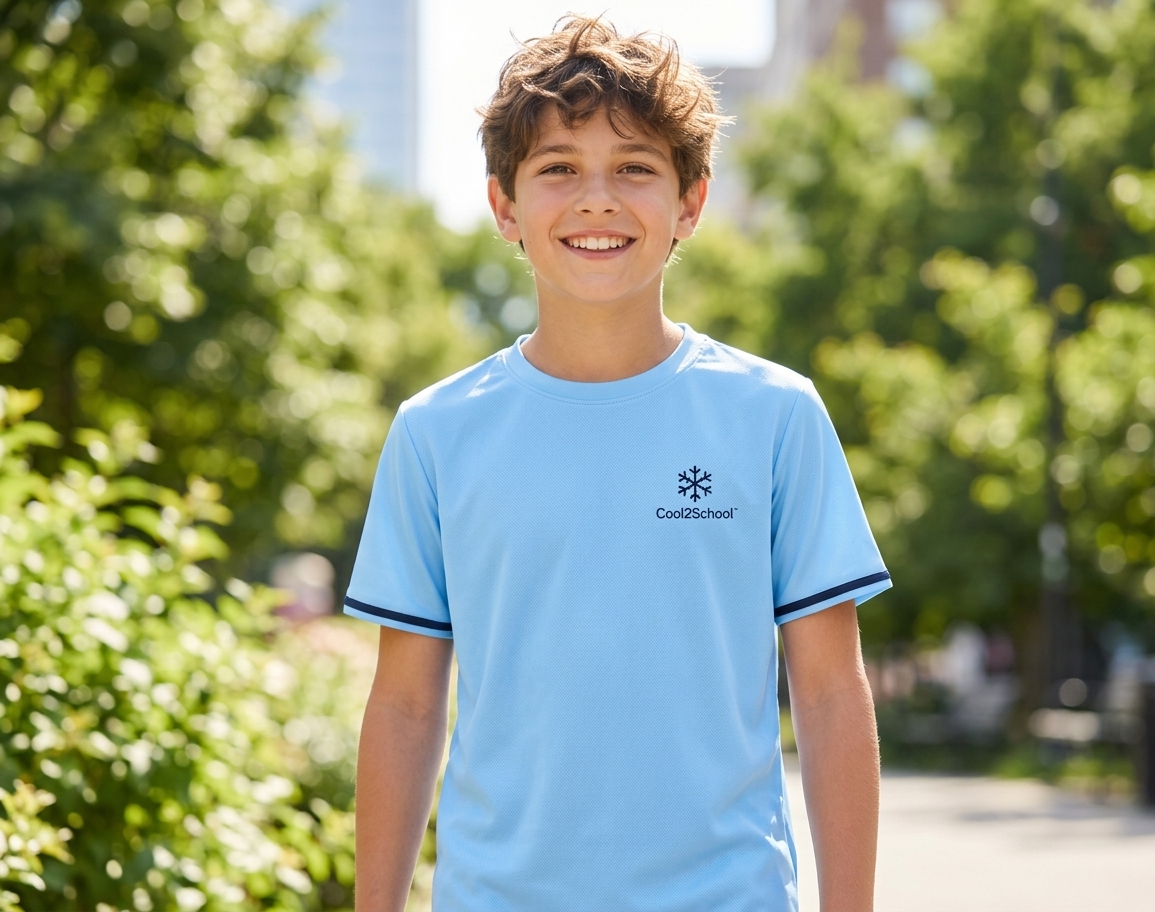
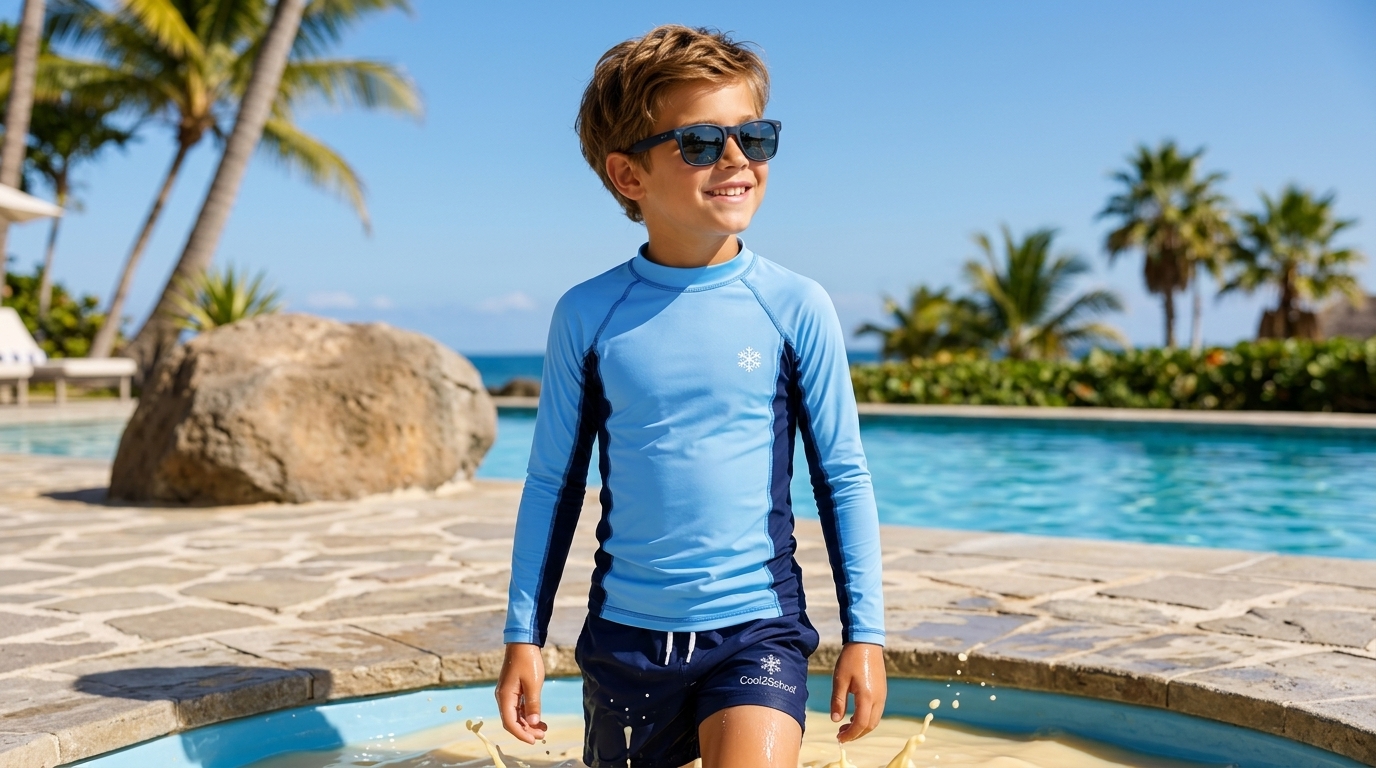
- Dress children in lightweight, loose-fitting clothing made of breathable fabrics.
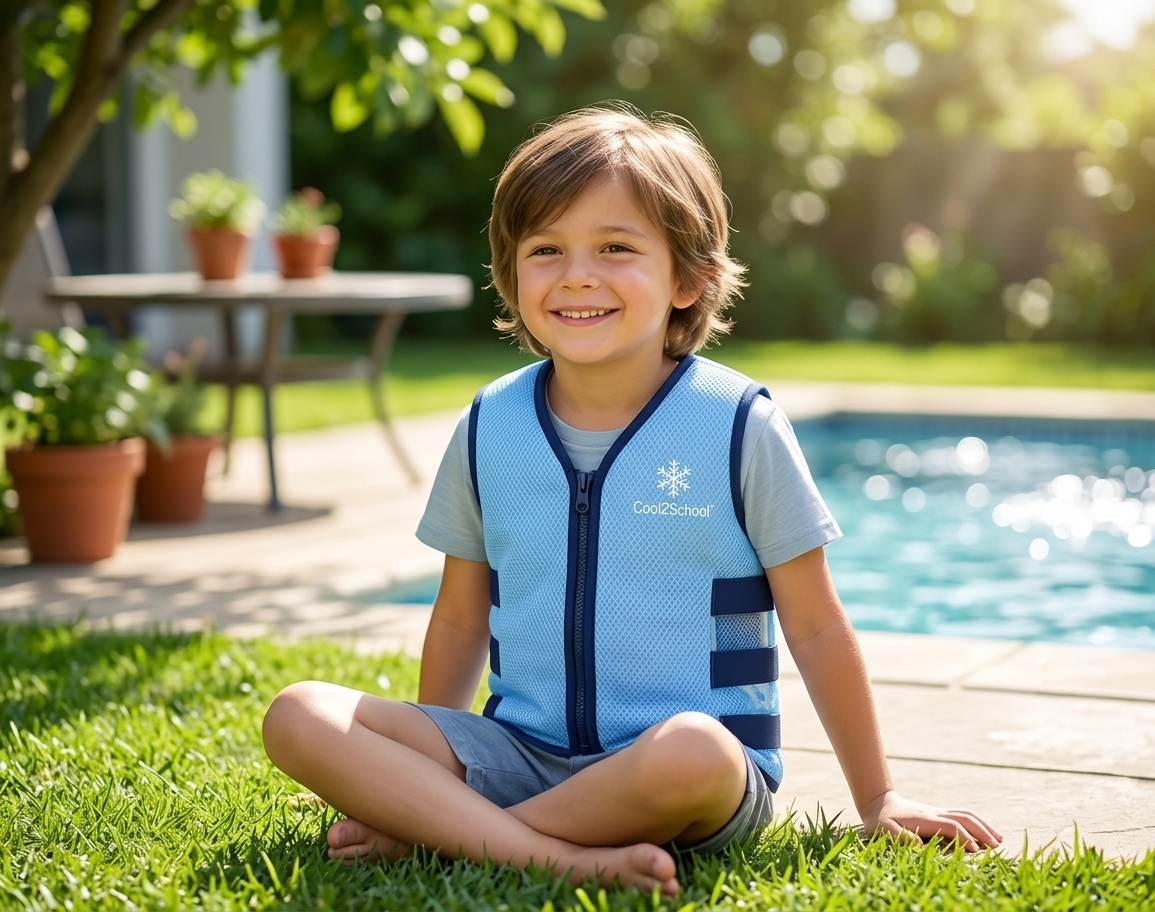
- Utilise cooling vests or neck wraps that help regulate body temperature.
- Set up shaded areas for outdoor play.
- Keep windows and doors open to ensure good air circulation indoors.
Using Cooling Products Wisely
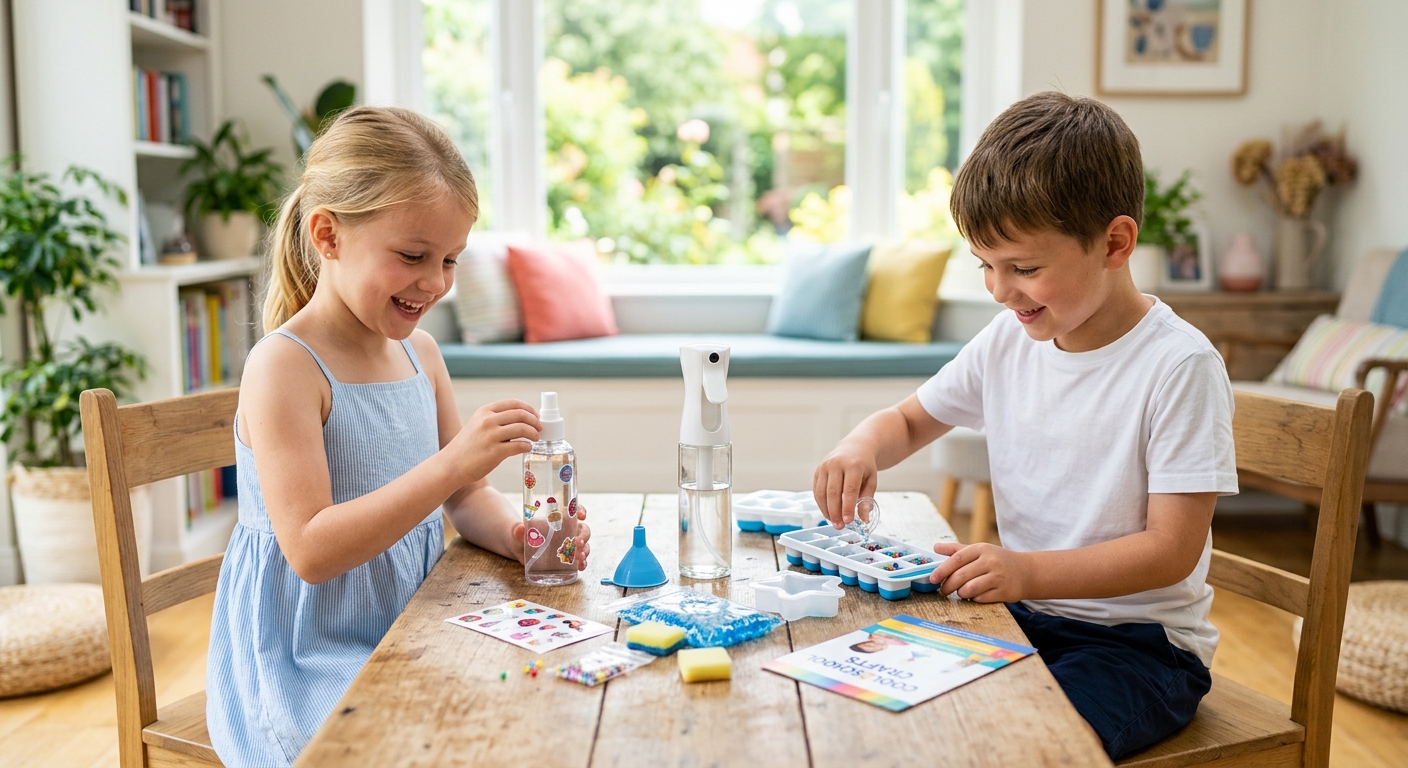
Products like Cool2School cooling vests, caps, and neck wraps can provide additional relief during scorching days. These products are designed to help regulate body temperature while children are playing outside. Paired with hydration and shade, they form an excellent strategy for keeping kids cool and comfortable.
Key takeaways
- Recognise symptoms of heat exhaustion and heat stroke.
- Encourage open communication with children regarding how they feel.
- Maintain proper hydration in hot weather.
- Implement preventive measures during peak sunlight.
- Cool2School products can support effective heat management.
By staying informed and proactive, you can ensure that your children enjoy their summer activities safely and healthily. Awareness of heat-related symptoms is vital for protecting our little ones during the hottest days of the year.
Get our free Heatwave Checklist
Join our newsletter and we'll send you a printable checklist to keep your children cool, hydrated and safe all summer.