As warmer weather approaches, many schools and communities prepare for outdoor sports events. Whether it’s a traditional sports day or a series of friendly competitions, ensuring that everyone stays cool and comfortable is crucial to enjoying the day. Here’s a comprehensive guide to managing heat effectively during outdoor sports events.
Understanding Heat Stress
Heat stress occurs when the body overheats and can lead to dehydration, heat exhaustion, or heat stroke. Young athletes are particularly vulnerable due to their developing bodies and energetic nature. It's essential to recognise the signs of heat stress, which include:
- Excessive sweating
- Weakness or fatigue
- Dizziness or headache
- Nausea and vomiting
Choosing the Right Time
When planning outdoor sports events, timing can make a significant difference. Aim to schedule activities during cooler parts of the day, such as early morning or late afternoon. This can help minimise exposure to the strongest sun and heat.
Hydration is Key
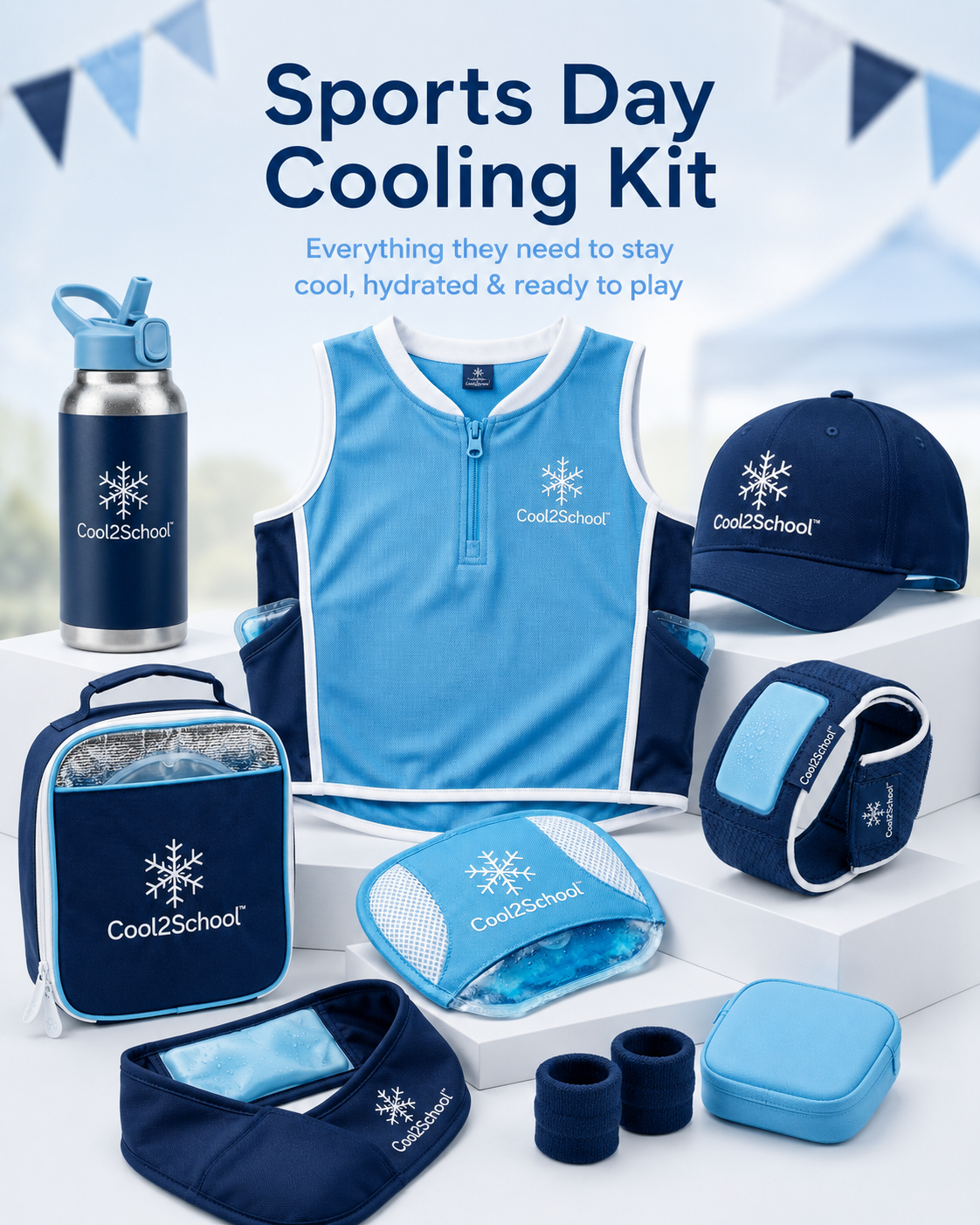
Keeping everyone hydrated is paramount. Before, during, and after the event, encourage regular water breaks. It’s also beneficial to have insulated water bottles on hand to keep drinks cool. Here are some tips for effective hydration:
- Provide water stations that are easily accessible.
- Use fun, colourful drinks or ice blocks to encourage children to drink more.
- Make it a game—set challenges for sipping water at certain intervals.
Dress for Success
Appropriate clothing can greatly affect heat management. Lightweight, breathable fabrics are ideal. Encourage participants to wear:
- Light-coloured clothing to reflect sunlight.
- Loose-fitting attire that allows air circulation.
- Wide-brimmed hats and cooling caps to shield from the sun.
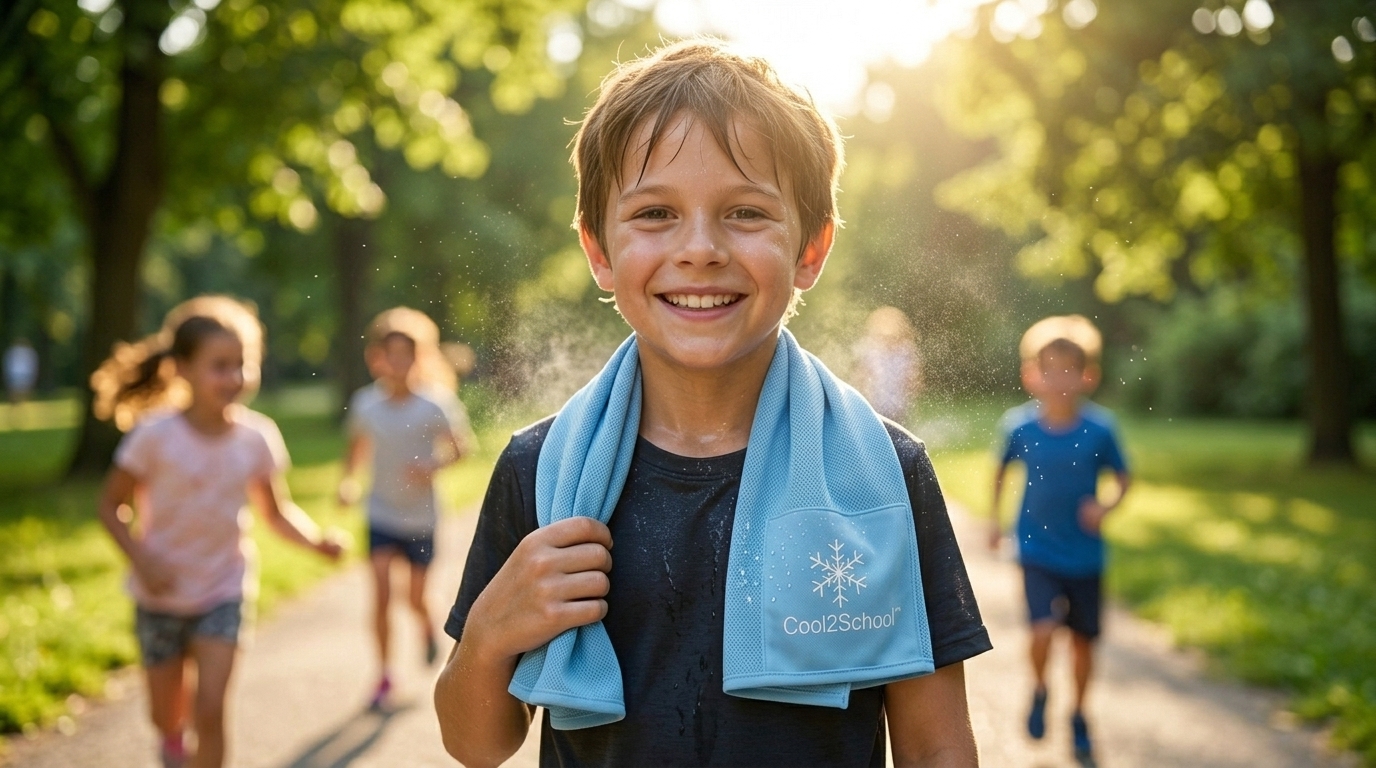
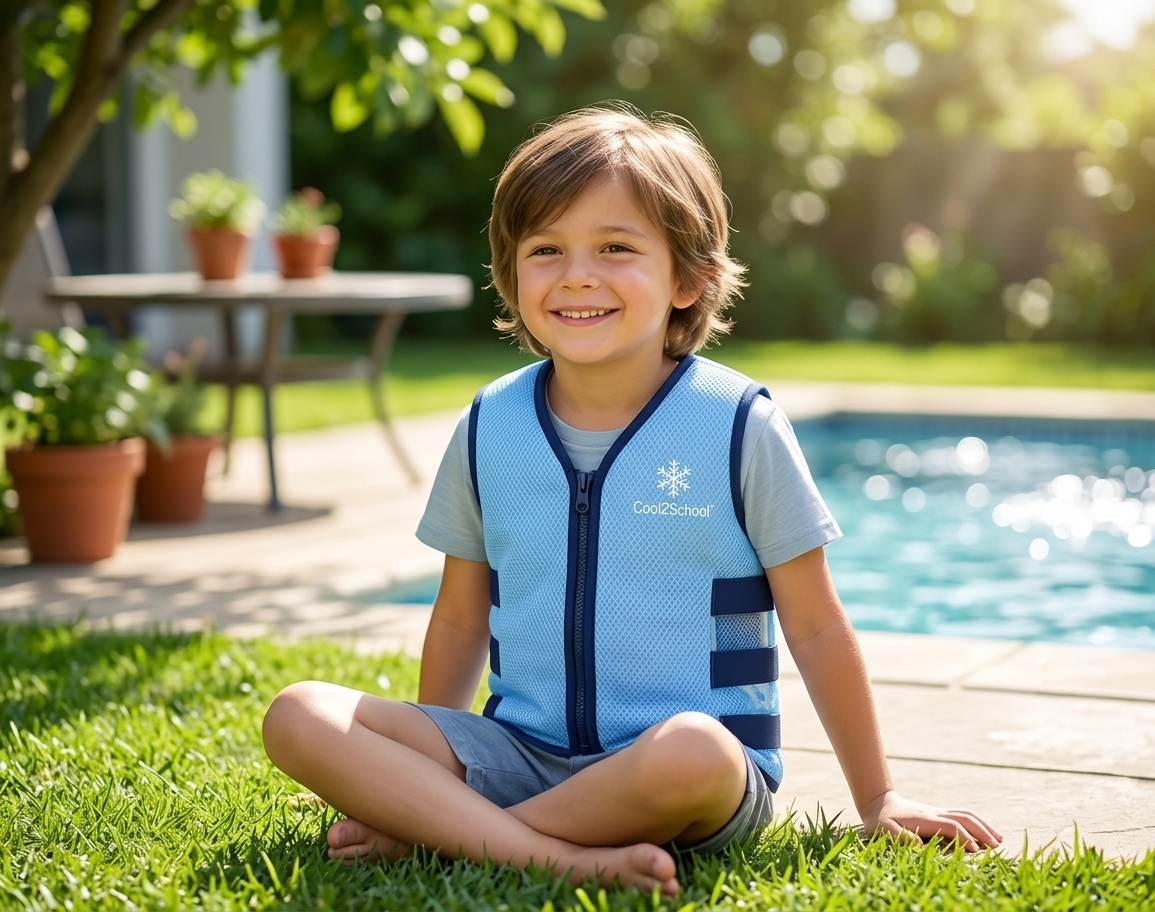
Additionally, consider providing cooling vests or neck wraps from Cool2School for optimal comfort during energetic activities.
Engaging in Rest Periods
Outdoor sports events should include designated rest periods in shaded areas. This allows participants to cool down and reduces the risk of overheating. Plan activities that allow for downtime, such as:
- Short breaks between races or games.
- Fun, low-energy games in shaded places.
- Relaxation areas with cool mats or blankets.
Monitoring Weather Conditions
Keeping an eye on weather forecasts can help with planning. If there are heat advisories or spikes in temperature, make adjustments accordingly. Consider these steps:
- Postpone or modify events as necessary.
- Set a policy for cancelling events in extreme heat.
- Communicate to parents and participants about measures in place for safety.
Key takeaways
- Schedule outdoor activities during cooler times of the day.
- Encourage regular hydration and provide accessible drinking stations.
- Dress participants in lightweight, breathable, and protective clothing.
- Incorporate rest periods to help manage heat stress.
- Monitor weather conditions and be prepared to adjust plans accordingly.
By considering these strategies for heat management, you can create a safe and enjoyable environment for all participants at your outdoor sports events. With the right preparations, everyone can focus on having fun and celebrating their achievements, even on the warmest days.
Get our free Heatwave Checklist
Join our newsletter and we'll send you a printable checklist to keep your children cool, hydrated and safe all summer.