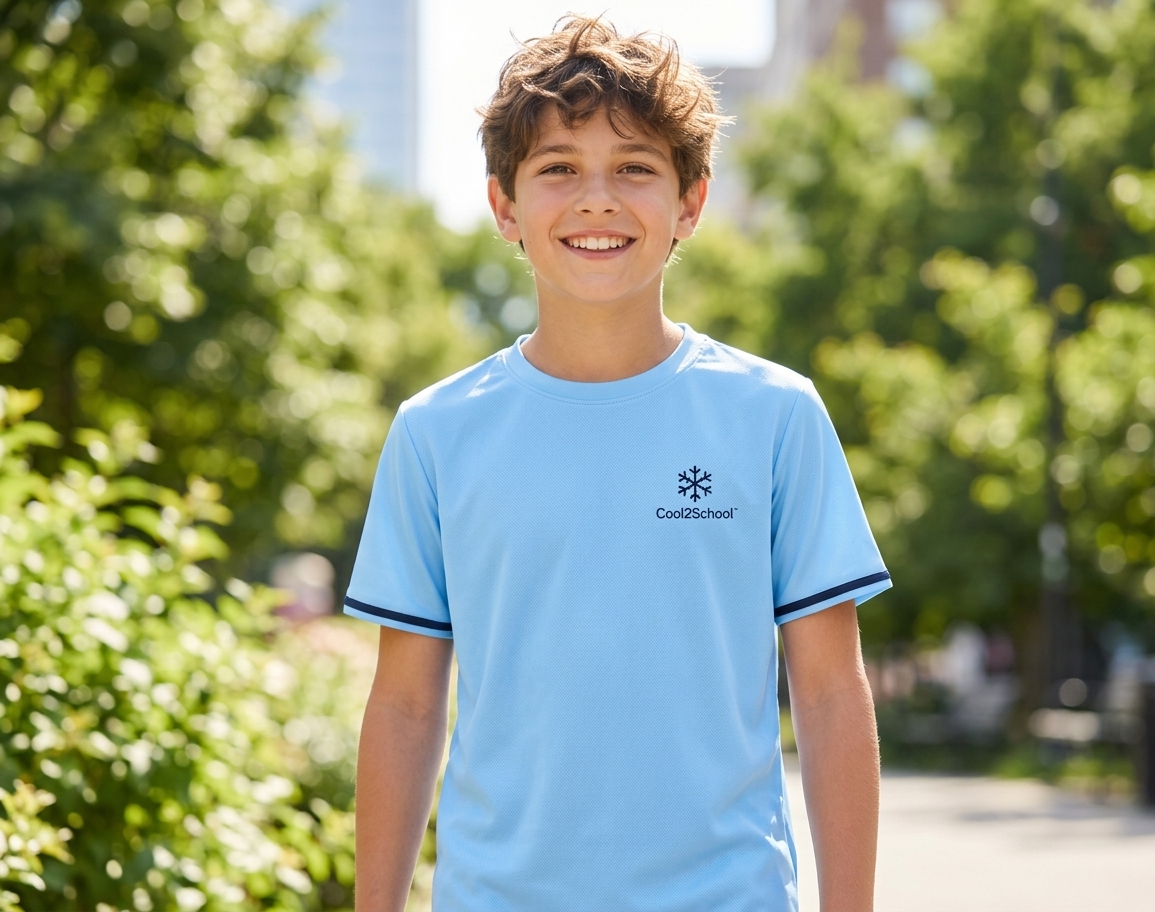
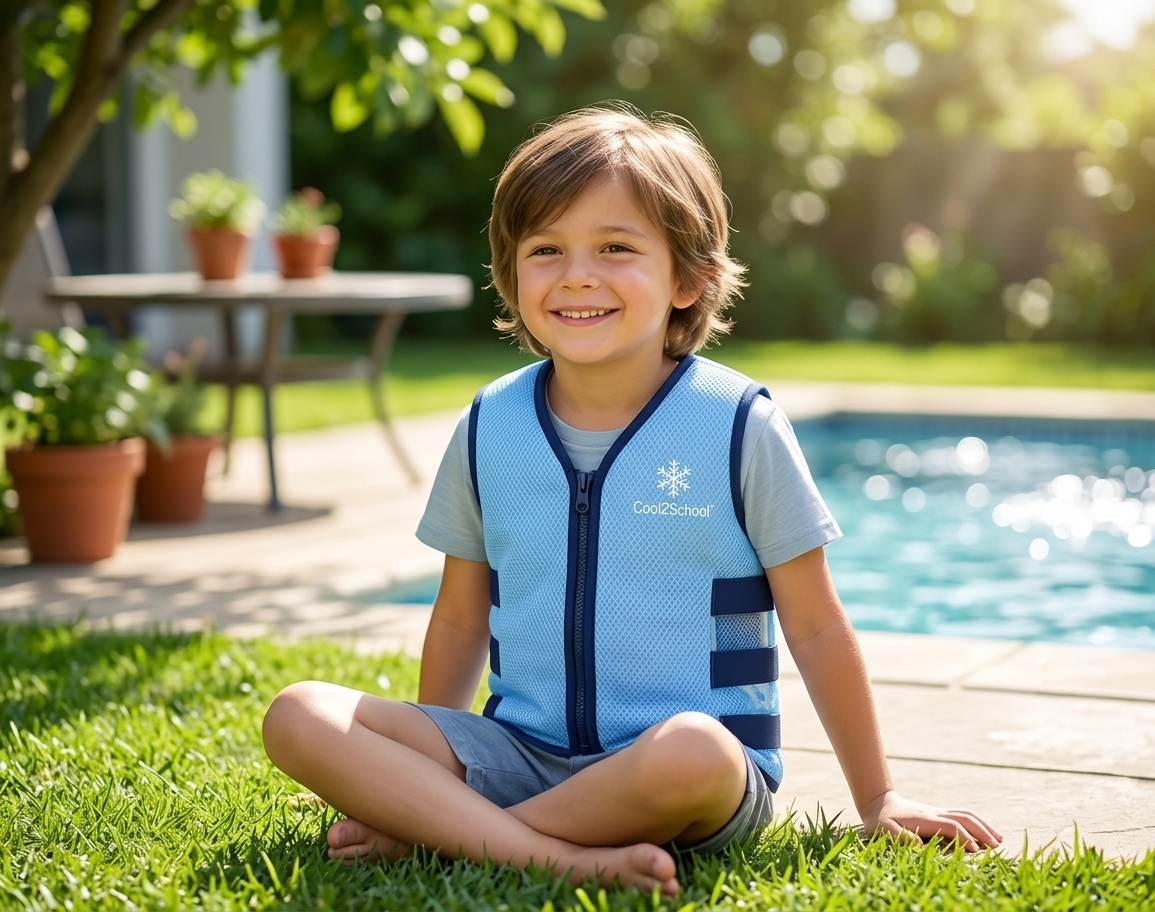
As temperatures rise, schools face the challenge of conducting outdoor learning programs that engage students while also ensuring their safety and comfort. Heatwaves can pose unique difficulties, but with careful planning and the right resources, it’s possible to create enriching outdoor experiences even on the hottest days.
Understanding the Impact of Heat
Extreme heat can affect children's ability to concentrate, learn, and remain engaged. Recognizing the signs of heat-related stress is paramount. Signs may include:
- Excessive sweating
- Dizziness or faintness
- Headaches
- Nausea
Being aware of these signs allows educators to respond promptly, ensuring the wellbeing of their students.
Planning Cool Activities
Selecting activities that are both educational and suitable for high temperatures is essential. Outdoor learning can include various hands-on experiences that minimize exposure to the heat:
- Nature scavenger hunts: Engage students in searching for specific plants or insects in the shade.
- Water-based science experiments: Conduct experiments involving water, which can also provide a refreshing break.
- Storytelling in shaded areas: Find a tree or a gazebo where students can gather comfortably.
These activities can be modified to suit different age groups and learning outcomes.
Timing is Everything
Timing your outdoor sessions can significantly affect student comfort. Here are a few tips:
- Schedule outdoor lessons early in the morning or later in the afternoon when temperatures are cooler.
- Keep sessions short—ideally no longer than 30-45 minutes.
- Follow up outdoor activities with cool indoor time to help students recover and recompose.
By paying attention to timing, educators can help maintain attention and enjoyment throughout outdoor lessons.
Hydration and Cool Zones
Ensuring students stay hydrated is crucial during heatwaves. Schools should implement the following strategies:
- Encourage frequent water breaks, making it fun by using Cool2School insulated water bottles that can keep drinks cool throughout the day.
- Set up cool zones or shaded rest areas where students can retreat on particularly hot days.
- Integrate activities that allow for participation without extended physical exertion under direct sunlight.
Hydration stations or easily accessible cool drinks can make a noticeable difference.
Utilizing Cooling Products
Cool2School offers a range of cooling products designed to help students stay comfortable during outdoor activity. Consider incorporating:
- Cooling vests: These can help regulate body temperature during strenuous activities.
- Neck wraps: Easy to wear and effective for creating relief from the heat.
- Cooling caps: Protecting students’ heads from the sun while providing additional coolness.
Integrating these products into the outdoor program not only enhances comfort but also demonstrates proactive measures to ensure student wellbeing.
Key Takeaways
- Be mindful of heat impacts on learning and engagement.
- Choose suitable, engaging outdoor activities that prioritize shade and hydration.
- Schedule lessons for cooler times of the day and include regular breaks.
- Leverage cooling products for added comfort and safety.
By implementing these strategies, educators can create effective outdoor learning experiences that are enjoyable, engaging, and safe during heatwaves. With the right planning and resources, every child can thrive, even in the heat!
Get our free Heatwave Checklist
Join our newsletter and we'll send you a printable checklist to keep your children cool, hydrated and safe all summer.