Weather changes are a natural part of life, but they can have a profound effect on children's moods and energy levels. Whether it's the uplifting warmth of a sunny day or the dreariness of rainy weather, kids are typically more sensitive to these fluctuations than adults. As parents and caregivers, it's essential to understand how to support children through these changes effectively.
The Connection Between Weather and Mood
Weather can influence our emotions significantly. For children, sunny days often bring joy and energy, while gloomy or rainy weather can lead to feelings of lethargy or irritability. Research suggests that this can be attributed to factors such as sunlight exposure affecting serotonin levels, which plays a key role in mood regulation.
Patterns of Seasonal Changes
Kids may experience mood swings and varying energy levels with the changing seasons. Here are a few common shifts:
- Spring: Increased energy and excitement as warmer weather returns.
- Summer: High energy; children are often excited about outdoor play.
- Autumn: A gradual decline in energy; rising sleepiness as days become shorter.
- Winter: Lower mood and energy levels, especially during cold, dark days.
Recognising Signs of Mood Changes
As the weather changes, be on the lookout for signs of shifts in your child's mood:
- Increased irritability or frustration.
- Changes in sleep patterns, such as difficulty waking up.
- Desire to stay indoors rather than engaging in outdoor activities.
- Reduced appetite or unusual cravings.
Strategies for Supporting Your Child
Here are actionable strategies to help your child navigate changing weather moods:
- Encourage Outdoor Play: On sunny days, promote outdoor activities to let kids expend energy in a positive way.
- Maintain a Routine: Keep a consistent daily schedule that includes playtime, study, and downtime to provide stability.
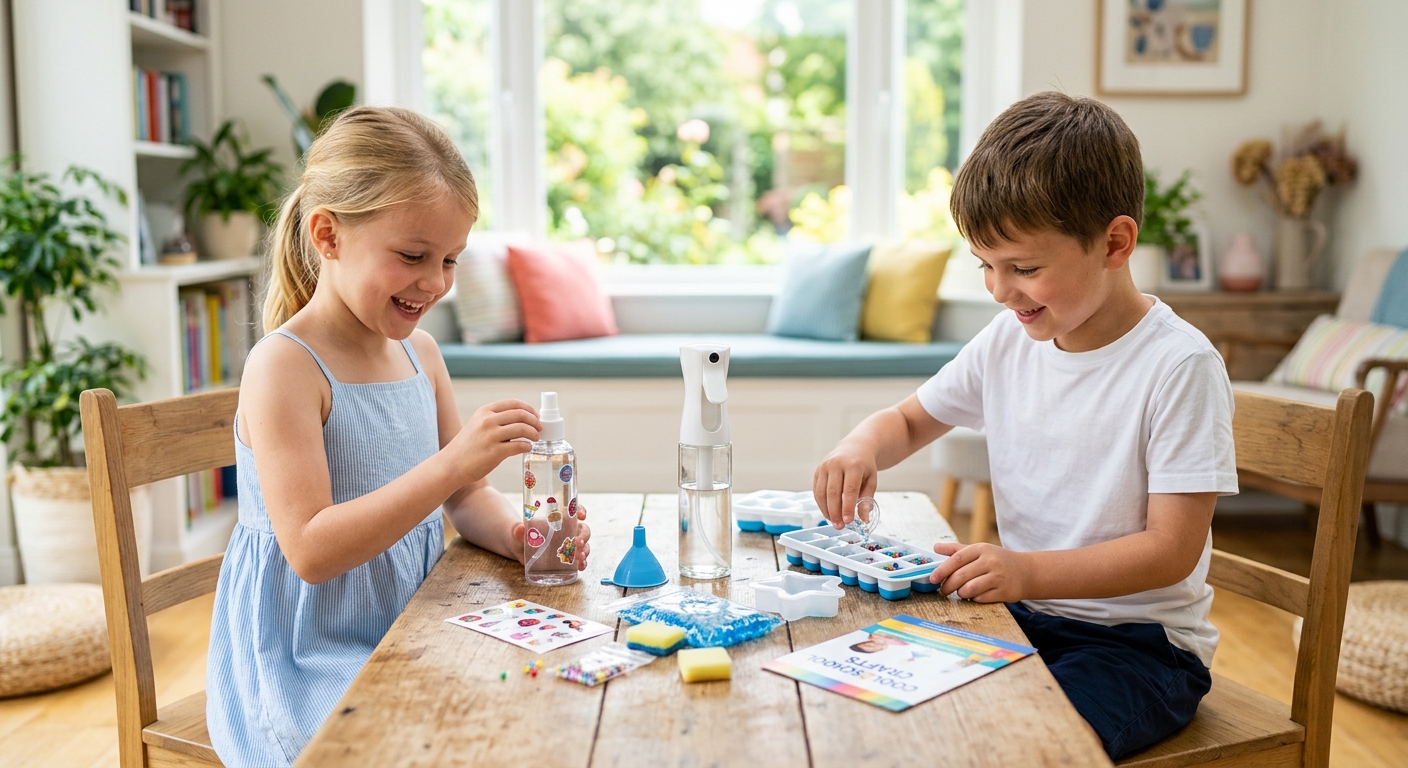
- Engage in Creative Indoor Activities: On rainy days, introduce indoor projects such as crafts or cooking together to maintain energy levels.
- Explore Mindfulness Techniques: Practising mindfulness can help children manage their emotions better.
- Deep breathing exercises.
- Short meditation sessions.
Incorporating Cooling Products for Warm Weather
For those hot days when children's energy might be sapped by the heat, incorporating cooling products like Cool2School cooling vests and insulated water bottles can keep them comfortable and refreshed. By ensuring they stay cool and well-hydrated, you'll help them maintain their mood and activity levels.
Building Resilience Through Adaptation
Teaching children about the weather and its effects helps them build emotional resilience. Discussing the changing seasons can empower them to understand and navigate their feelings better. Activities such as nature walks or weather-themed art projects can further encourage this understanding.
Key takeaways
- Weather significantly affects children's mood and energy.
- Recognising mood changes helps in providing timely support.
- Encouraging outdoor play fosters positive energy and mood.
- Utilising cooling products on hot days can enhance comfort.
- Teaching children about weather fosters emotional resilience.
Understanding the impact of weather on children's moods is essential for fostering their emotional well-being. By providing support and resources, including Cool2School products during warmer days, we can help them thrive in any season.
Get our free Heatwave Checklist
Join our newsletter and we'll send you a printable checklist to keep your children cool, hydrated and safe all summer.