As temperatures rise, managing outdoor games becomes a significant responsibility for teachers. Ensuring that children are safe, active, and engaged while avoiding heat-related issues is vital. This article provides a well-rounded toolkit for teachers looking to conduct outdoor activities in hot weather, with tips and products to help keep students cool.
Understand the Risks of Heat Exposure
Before diving into outdoor games, it’s essential to understand the potential risks associated with heat exposure. Children are more susceptible to heat-related illnesses, which can affect their performance and health.
- Heat exhaustion: Symptoms include heavy sweating, weakness, and dizziness.
- Heatstroke: This more severe condition involves a high body temperature, confusion, and can be life-threatening.
- Dehydration: Children may not realise they are dehydrated until symptoms manifest.
Plan Activities Wisely
When planning outdoor activities, timing is crucial. To minimise heat exposure, consider the following:
- Schedule games early in the morning or late in the afternoon to avoid the midday sun.
- Choose shaded areas or use canopies to provide relief from direct sunlight.
- Alternating between high intensity and low-intensity activities helps to manage energy expenditure.
Hydration is Key
Keeping children hydrated should be a priority during outdoor games. Here are some simple strategies:
- Encourage regular water breaks every 20-30 minutes, even if children do not feel thirsty.
- Provide insulated water bottles to keep drinks cool and encourage children to sip throughout activities.
- Avoid sugary or caffeinated drinks; instead, opt for water and, if needed, electrolyte solutions.
Incorporate Cool Down Techniques
Implementing cooling techniques can help children regulate their body temperature during intense activities:
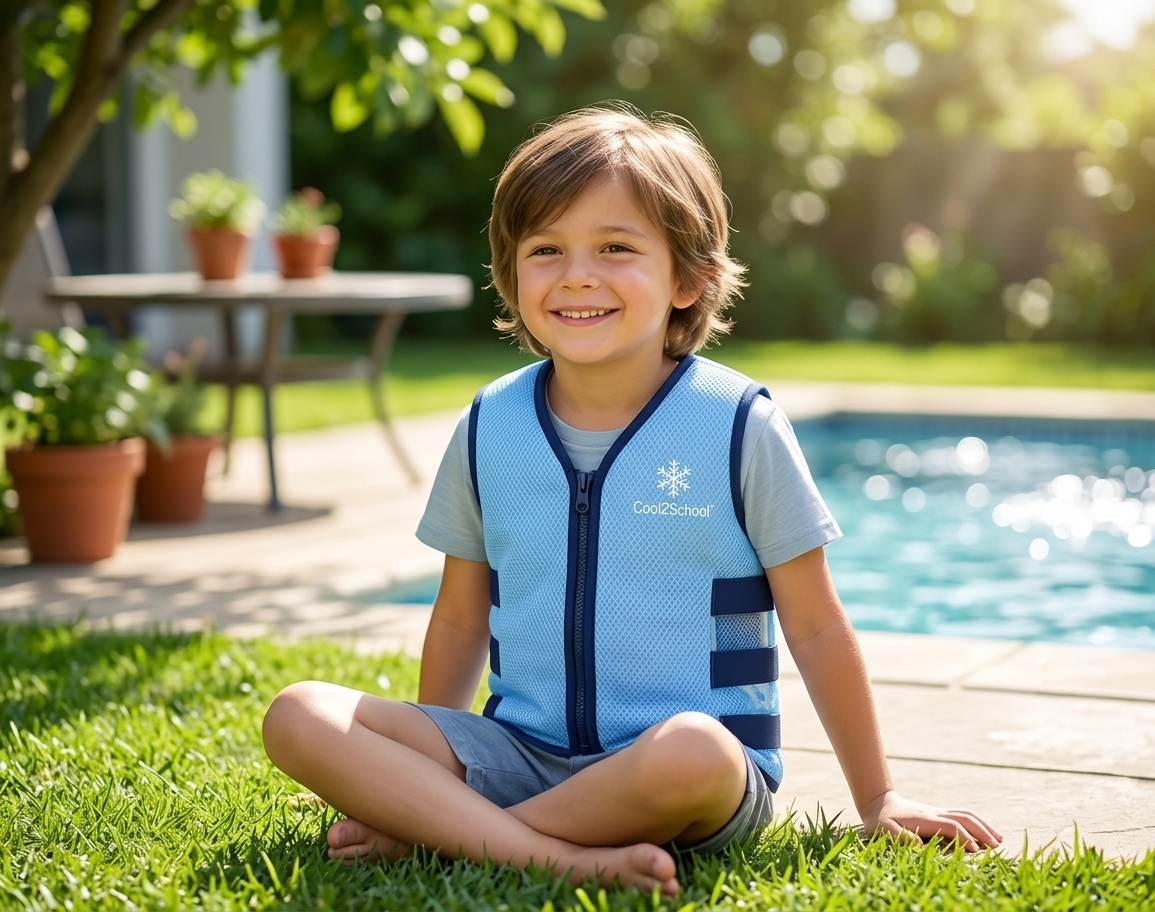
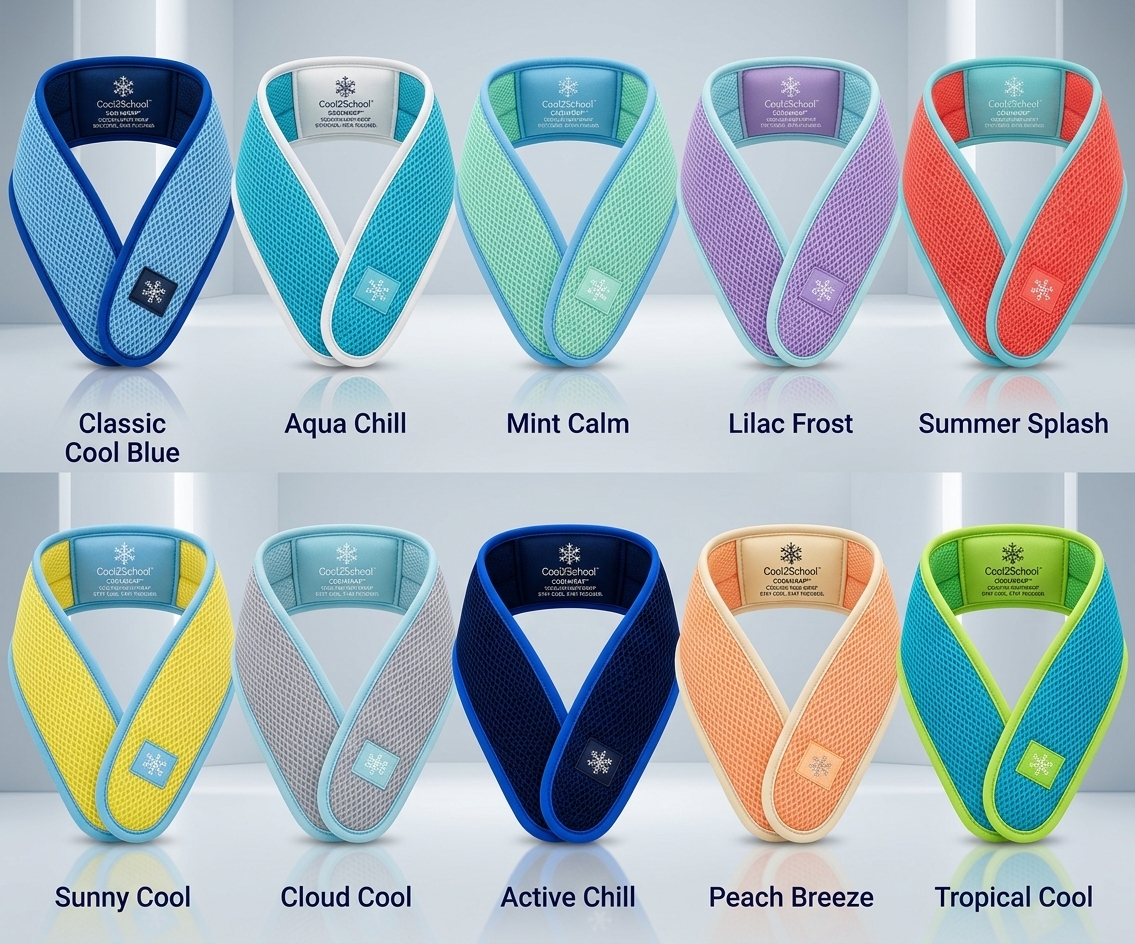
- Use cooling vests and neck wraps, such as those by Cool2School, which are designed to keep children comfortable.
- Have children engage in brief periods of low-intensity activities, stretching or light games between more strenuous games.
- Encourage them to splash water on their faces and arms to reduce body temperature instantly.
Create a Chill Zone
A designated cool-down area can make a significant difference in how children cope with heat:
- Set up shaded rest areas with mats or blankets for children to sit and relax.
- Provide fans or spray bottles filled with water to help cool the air around them.
- Offer quiet activities, such as reading or drawing, to give children a chance to recover.
Teach Children About Heat Safety
Empowering students with knowledge about heat safety is crucial:
- Discuss the signs of heat stress and encourage children to communicate if they're feeling unwell.
- Incorporate lessons about the importance of hydration and cooling down on hot days.
- Make it a fun learning experience, involving games that emphasize teamwork and hydration awareness.
Key takeaways
- Plan outdoor activities to avoid peak heat hours.
- Emphasise hydration; regular water breaks are essential.
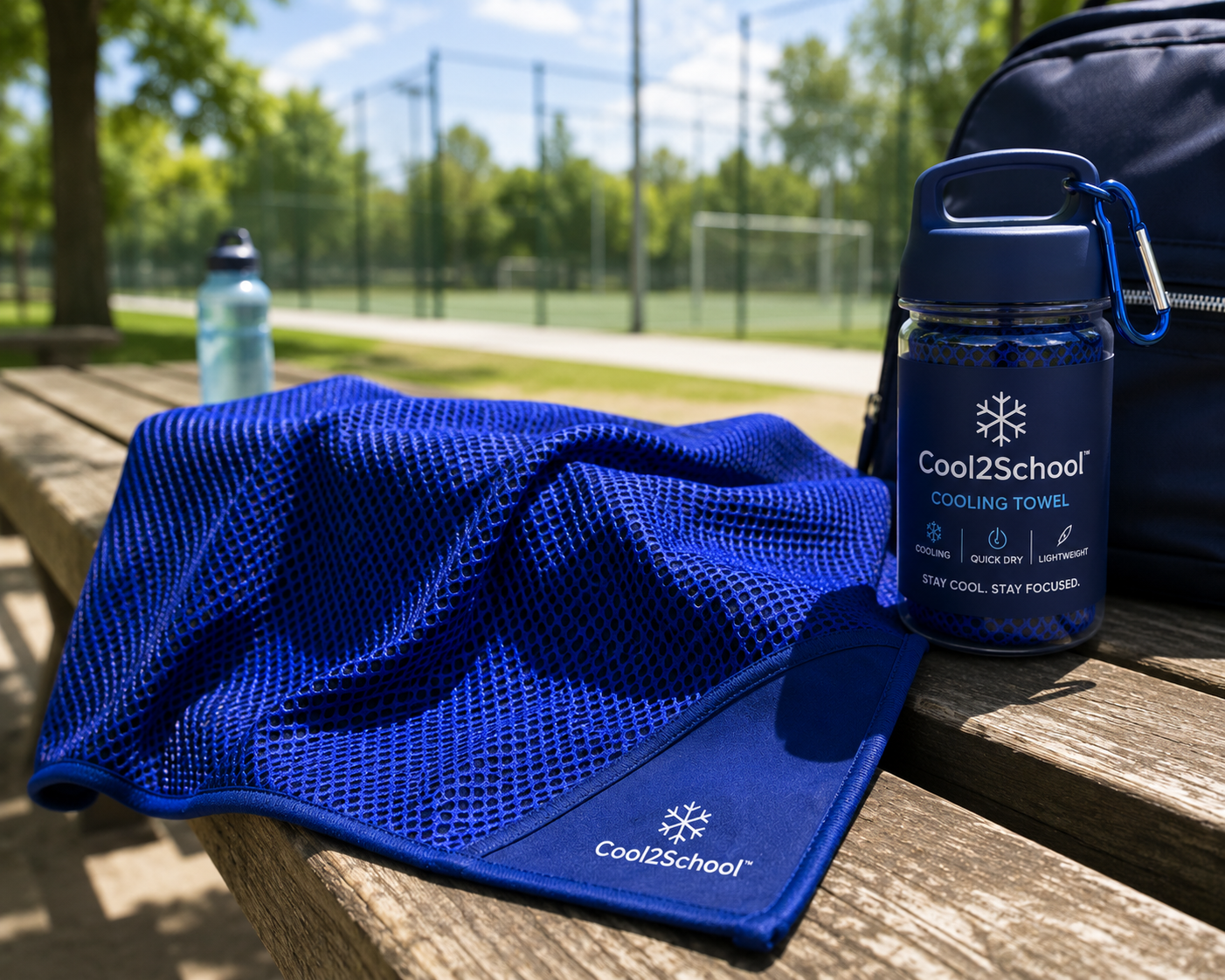
- Utilise cooling products like cooling vests to keep children comfortable.
- Educate students on recognising heat-related symptoms.
- Create shaded, comfortable rest areas for downtime.
By taking these precautions and utilising the right strategies, teachers can ensure that outdoor games remain enjoyable and safe for everyone involved. Remember, integrating Cool2School cooling products into your toolkit will further enhance the safety and comfort of your students, allowing them to make the most of their outdoor experiences, even in the heat.
Get our free Heatwave Checklist
Join our newsletter and we'll send you a printable checklist to keep your children cool, hydrated and safe all summer.