As warmer months approach, sports days and physical education programs become exciting highlights for children. However, the rising temperatures can pose challenges in keeping kids active and comfortable. With the right strategies and tools, you can ensure that your little ones enjoy physical education without overheating. Here are some practical tips for incorporating physical education while keeping kids cool.
1. Choose the Right Time of Day
Timing can make all the difference when it comes to outdoor physical activities. The sun is typically at its peak from midday to 3 PM, which can be unsafe for vigorous exercise. Consider scheduling outdoor activities in the morning or late afternoon when temperatures are cooler.
2. Opt for Shade and Shelter
Wherever possible, conduct physical education activities under shaded areas such as trees, gazebos, or covered sports fields. If sun exposure is unavoidable, incorporating temporary canopies can create suitable areas for both playing and resting.
3. Encourage Hydration
Proper hydration is crucial for maintaining energy levels and avoiding heat-related issues. Encourage kids to drink water regularly, and consider using insulated water bottles that keep drinks cool throughout the day. Make hydration breaks mandatory:
- Before the activity
- Every 15-20 minutes during play
- After the session ends
4. Dress for the Occasion
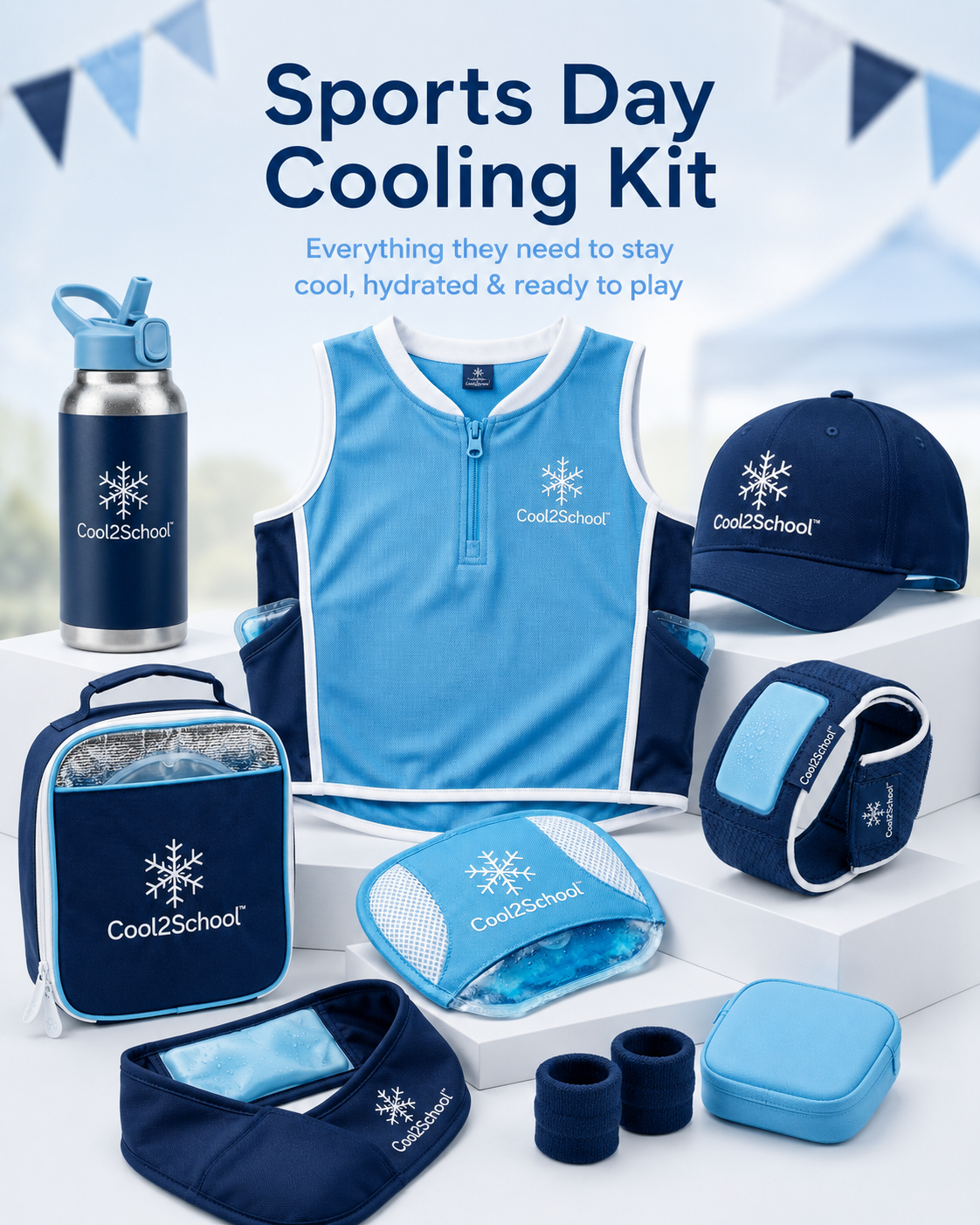
Clothing plays a significant role in helping kids stay cool. Choose lightweight, breathable fabrics that wick away moisture and allow air circulation. Light-coloured outfits reflect sunlight, further reducing heat accumulation. Don't forget accessories like Cool2School cooling caps and neck wraps, which provide extra relief from the heat.
5. Incorporate Cooling Breaks
It's essential to incorporate short breaks during physical activities to allow kids to cool down. Organise games that involve walking or low-intensity movements instead of continuous high-impact activities. During these breaks:
- Encourage stretching or breathing exercises.
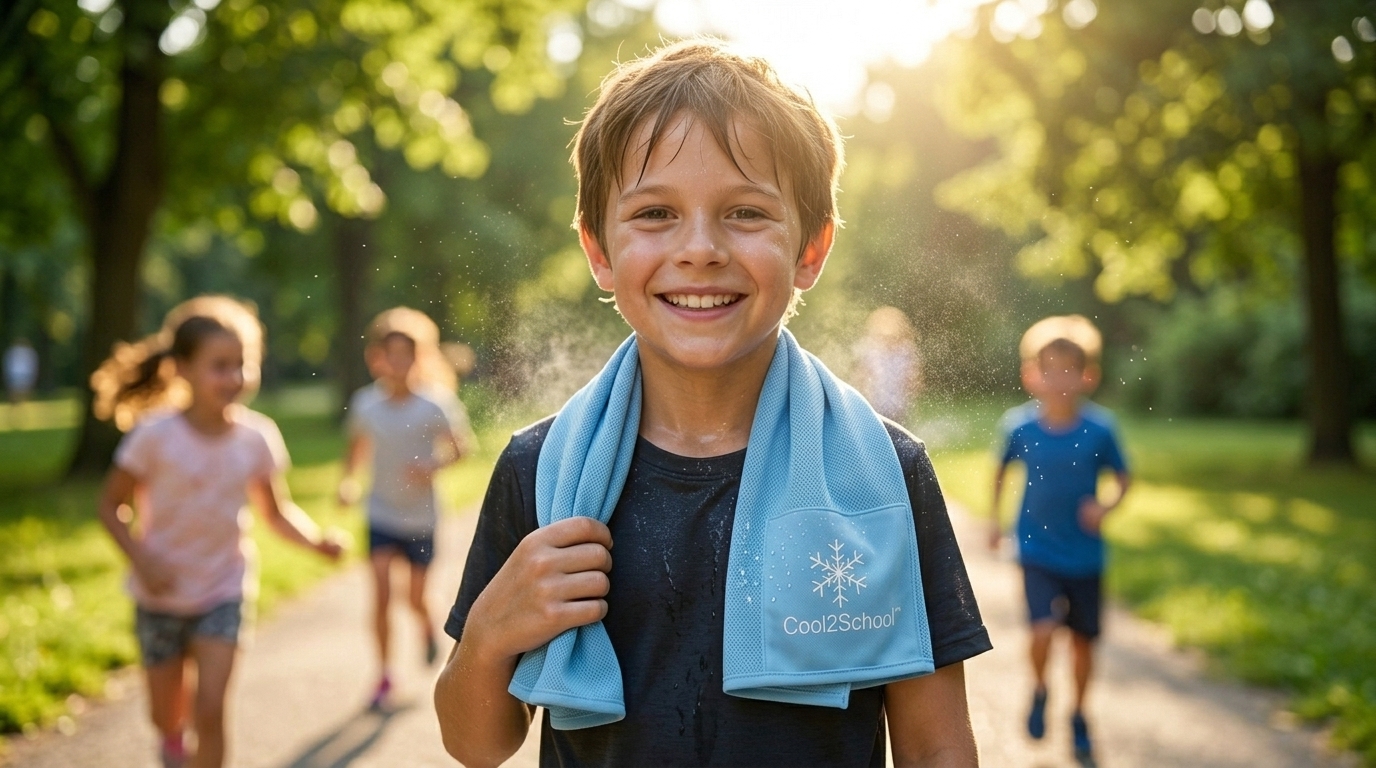
- Use cooling towels or neck wraps to help reduce body temperature.
- Engage in fun, interactive games that don’t require strenuous effort.
6. Engage in Water-Based Activities
Utilising water during physical education can be incredibly refreshing. Organise water games or relay races that include running through sprinklers or water balloons. These activities not only keep kids cool, but they are also immensely enjoyable and promote teamwork.
7. Monitor Heat Stress Symptoms
Awareness of the signs of heat stress will ensure prompt action, keeping your students safe. Educators and parents should keep an eye out for:
- Excessive sweating
- Fatigue or weakness
- Nausea or dizziness
If anyone shows signs of overheating, take immediate steps to cool them down, provide water, and find a shady area to rest.
Key takeaways
- Schedule outdoor activities during cooler parts of the day.
- Utilise shaded areas for physical activities.
- Encourage frequent hydration breaks.
- Dress children in light, breathable fabrics.
- Incorporate breaks and low-intensity games.
- Monitor and attend to any signs of heat stress.
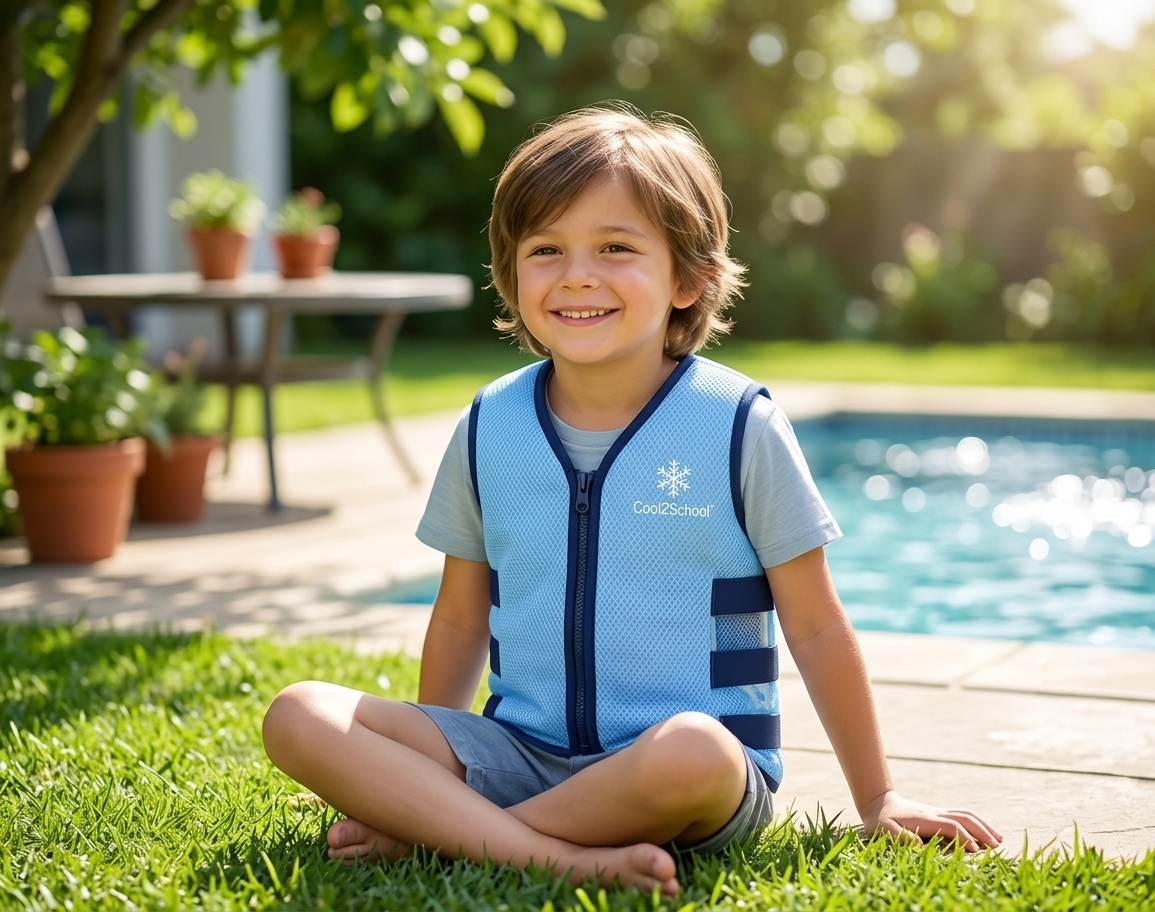
By following these tips, you can create a more enjoyable and safe environment for physical education activities on hot days. With the right preparation, children can engage in physical activities while staying cool and hydrated. Products like Cool2School cooling vests, caps, and water bottles can greatly enhance their comfort and enjoyment, allowing them to thrive during these summery sports events.
Get our free Heatwave Checklist
Join our newsletter and we'll send you a printable checklist to keep your children cool, hydrated and safe all summer.