Summer provides a perfect opportunity to take learning outside. An outdoor classroom can ignite curiosity, enhance student engagement, and foster a love for nature. However, it’s important to prioritize safety while ensuring that students have a fun and memorable experience. Here are practical tips to help you organise a successful outdoor classroom session this summer.
Choosing the Right Location
When selecting a location for your outdoor classroom, consider the following:
- Accessibility: Ensure the site is easily reachable for all students.
- Space: Choose a location with ample space for activities and movement.
- Safety: Avoid areas close to busy roads or hazardous environments.
- Shade: Select spots with adequate shade to protect students from the sun.
Planning Engaging Activities
Activities should be both fun and educational. Here’s a list of engaging ideas:
- Nature Exploration: Encourage students to observe plants, insects, and other wildlife.
- Group Games: Organise team-building games that promote collaboration.
- Art in Nature: Use natural materials for creativity, like leaf rubbings or nature sculptures.
- STEM Challenges: Conduct experiments with natural elements or outdoor materials.
Ensuring Health and Safety
To maintain a safe environment, implement these health and safety measures:
- Hydration: Ensure students have access to water, such as using insulated water bottles that keep fluids cool.
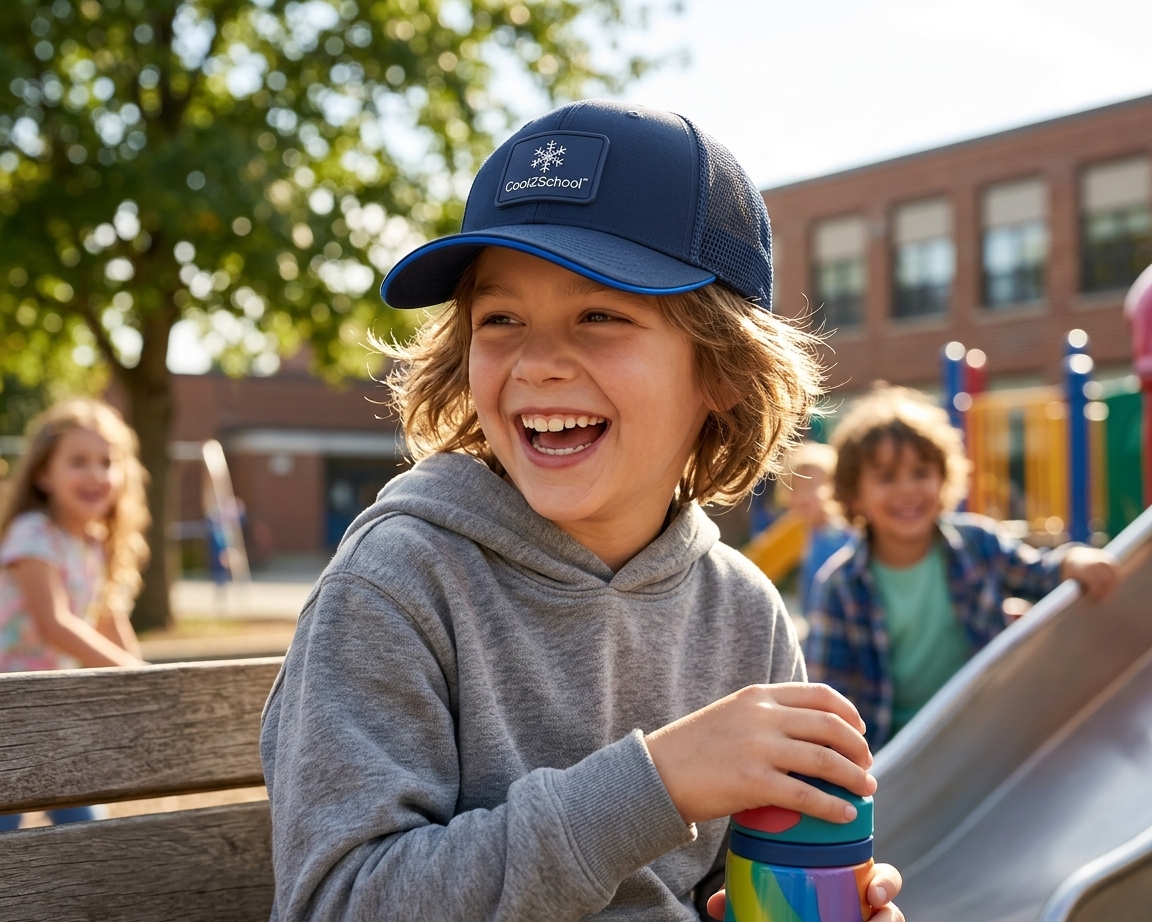
- Sun Protection: Encourage the use of broad-spectrum sunscreen and provide cooling caps to protect against overheating.
- Supervision: Maintain a suitable student-to-adult ratio for adequate supervision.
- Emergency Plan: Familiarise yourself with the nearest first aid facilities and have a plan for emergencies.
Incorporating Educational Elements
Integrating core subjects into outdoor activities can enhance learning experiences:
- Science: Teach students about ecosystems, weather patterns, or biology by observing their environment directly.
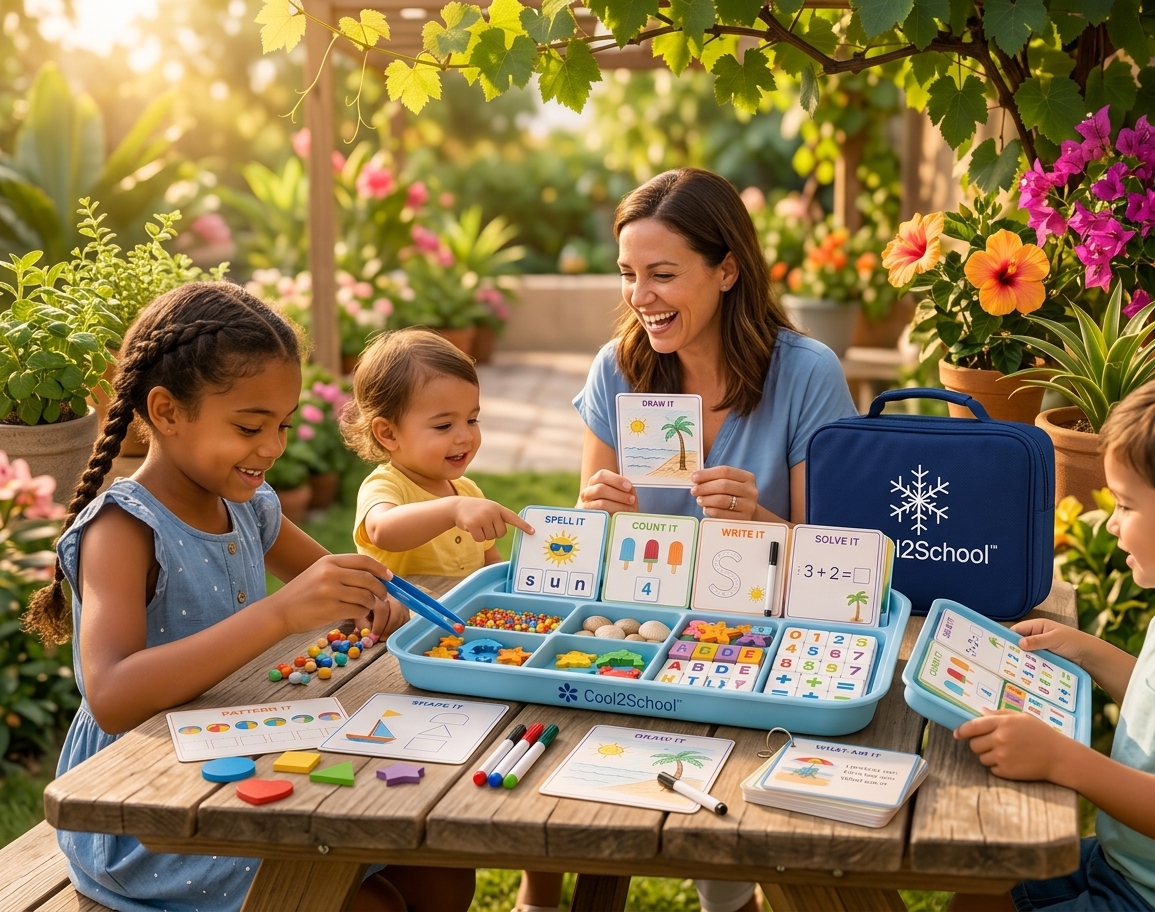
- Math: Use natural objects for counting, measuring, or graphing activities.
- Literature: Encourage students to write stories or poems inspired by their surroundings.
Gathering Resources and Support
Utilizing available resources can improve the outdoor classroom experience:
- Seek support from local community groups or parents for additional resources.
- Use free online platforms for outdoor activity ideas and resources.
- Collaborate with fellow educators to share ideas and materials.
Feedback and Adaptation
After each session, collecting feedback will help refine future outdoor experiences:
- Discuss what worked well and what could be improved.
- Encourage students to share their thoughts on the activities and environment.
- Adapt your plans based on feedback to continue providing enjoyable experiences.
Key takeaways
- Choose accessible, safe, and shaded locations for outdoor classes.
- Plan a variety of engaging, educational activities.
- Prioritise health and safety through hydration and sun protection.
- Integrate subjects into outdoor learning experiences.
- Gather support from the community and fellow educators.
- Collect feedback to improve future outdoor sessions.
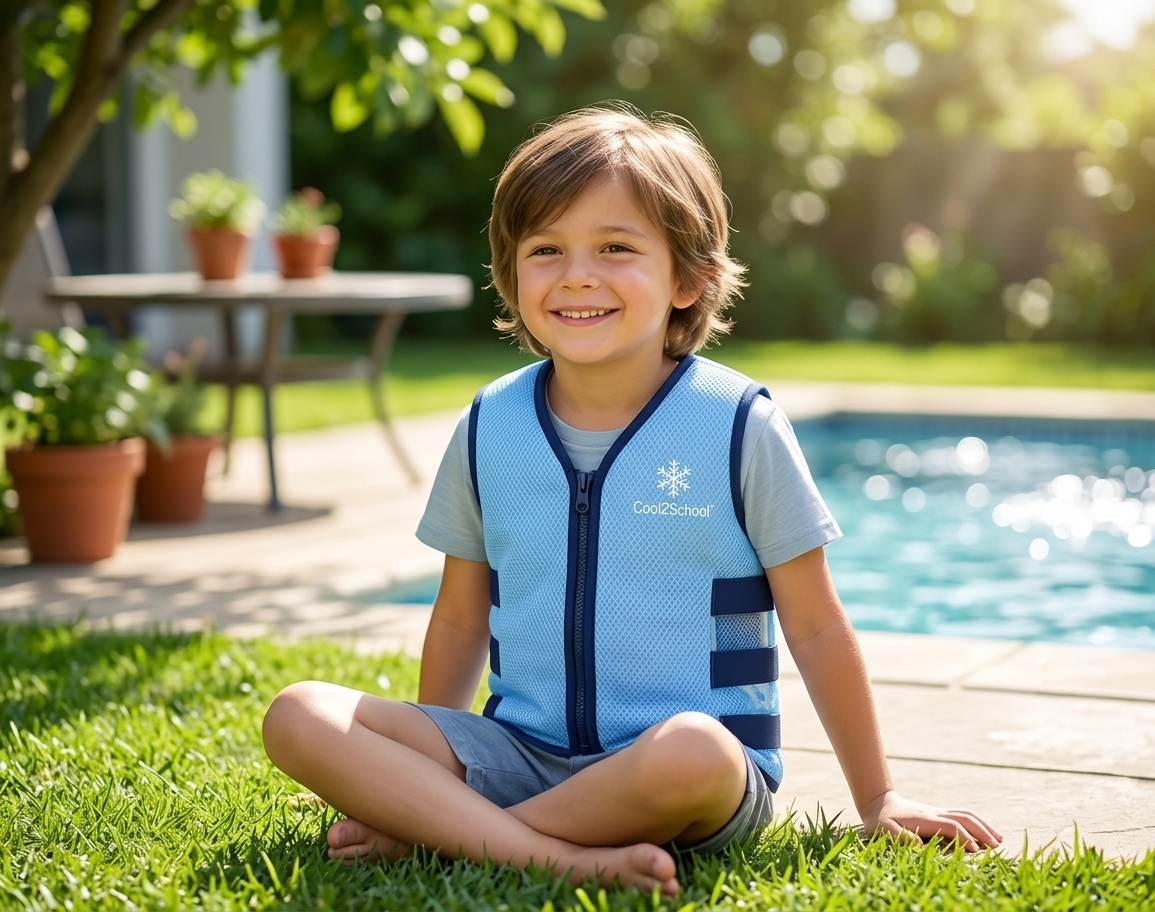
Organising a fun and safe outdoor classroom experience during summer can significantly enhance student engagement and foster a love for learning. By following these practical tips and using Cool2School cooling products, such as cooling vests and insulated bottles, you can create a memorable and enjoyable outdoor educational experience for your students.
Get our free Heatwave Checklist
Join our newsletter and we'll send you a printable checklist to keep your children cool, hydrated and safe all summer.