As British summers can sometimes catch us off guard with their intense heat, implementing safety standards in school summer programs is essential. This not only keeps children safe but also helps them enjoy outdoor activities without undue risks. Here’s how schools can effectively create a safe environment on hot days.
Understanding Heat Risks
Children's bodies are less effective at regulating temperature, making them more susceptible to heat-related issues such as heat exhaustion and heat stroke. It's crucial for schools to facilitate mindfulness about these risks during summer programs.
Establishing Clear Safety Policies
Begin by developing clear heat safety protocols that include:
- Guidelines for outdoor activities, ensuring that they are avoided during peak sun hours (11 AM - 3 PM).
- Regular breaks in shaded or air-conditioned areas.
- Mandatory hydration schedules, encouraging students to drink water consistently throughout the day.
Creating a Comfortable Environment
Schools should assess their facilities to ensure children are kept comfortable. Here are some tips:
- Utilise shaded areas for outdoor activities whenever possible.
- Incorporate the use of adjustable ventilation in classrooms.
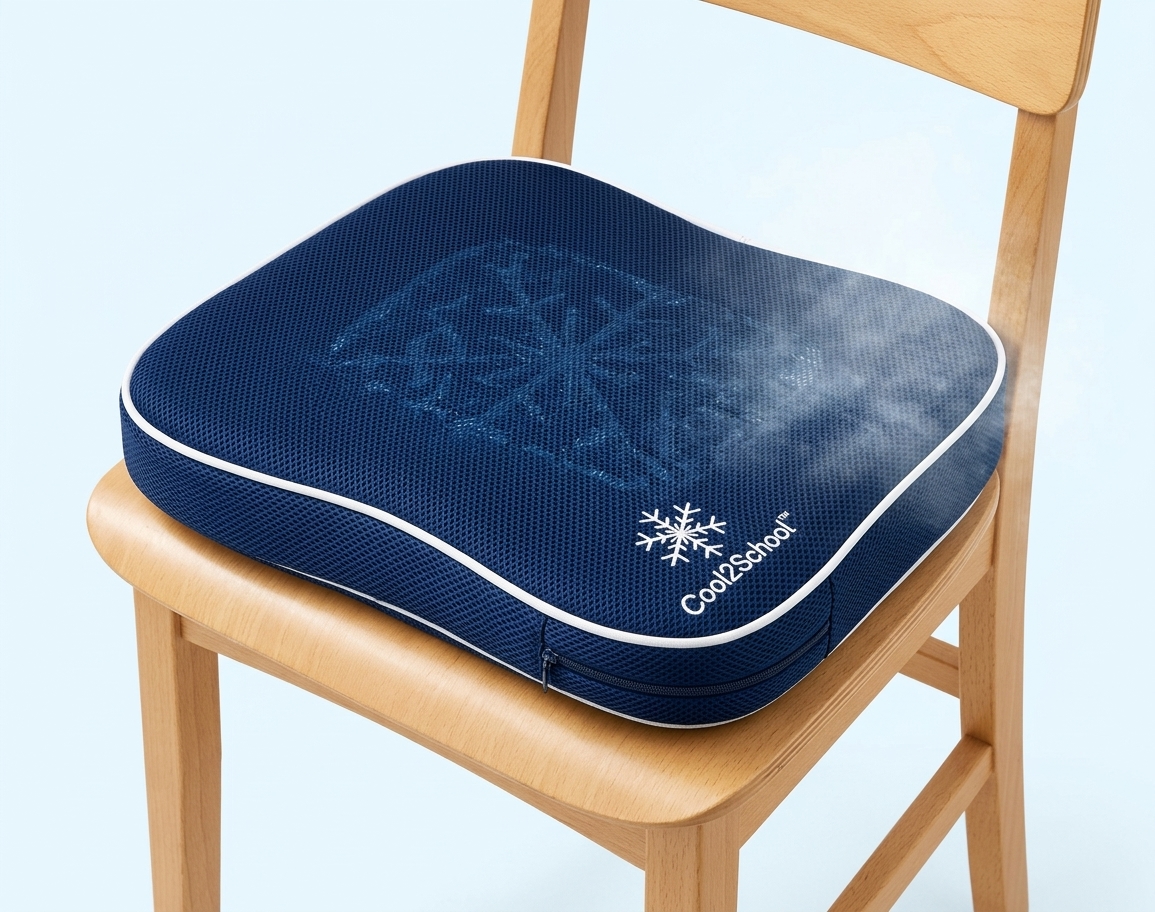
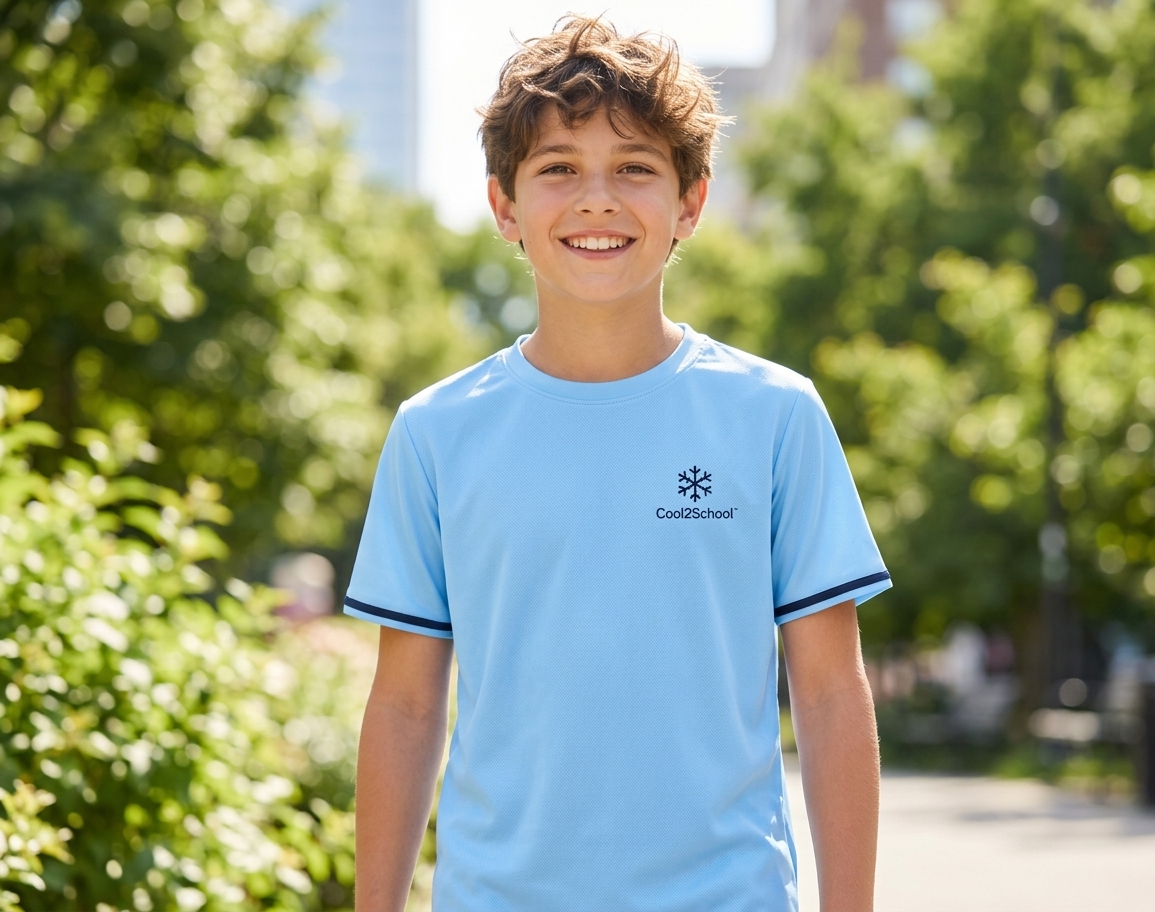
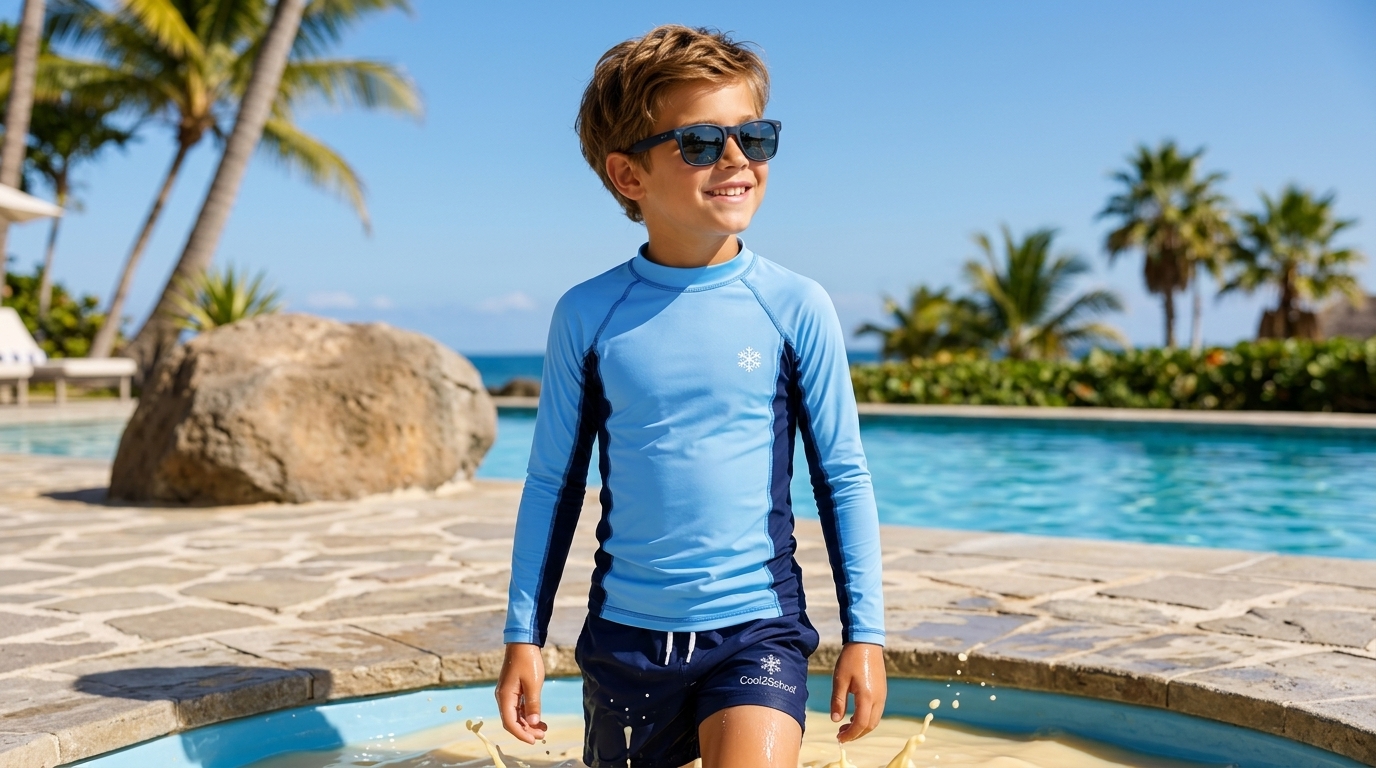
- Employ cooling products, such as Cool2School cooling vests and neck wraps, to protect students from overheating while engaged in activities.
Encouraging Hydration
Stay proactive about hydration. It's essential to have accessible, clear communication about water needs, including:
- Providing insulated water bottles that keep drinks cold throughout the day.
- Encouraging frequent water breaks, especially after physical activities.
- Incorporating fun water-based activities, such as sponge relay races, to make hydration enjoyable.
Training Staff and Volunteers
Your team is vital in upholding heat safety standards. Consider the following:
- Train staff and volunteers to recognise signs of heat stress in children.
- Ensure all staff can effectively implement hydration and rest break policies.
- Provide resources, such as guides on heat safety, to all personnel involved in summer programs.
Communicating with Parents
Keeping parents informed is crucial. Create a strategy that includes:
- Sending home heat safety guidelines ahead of summer programs.
- Engaging parents in discussions about the importance of appropriate clothing, such as sun hats and light breathable materials.
- Encouraging them to help their children prepare with key Cool2School products, enhancing their comfort and safety.
Key takeaways
- Children are more vulnerable to heat risks; proactive measures are necessary.
- Clear safety policies should outline hydration and rest schedules.
- Creating a comfortable environment includes using cooling products and proper shading.
- Regular training for your team will equip them to handle heat-related issues.
- Engage parents in fostering a partnership for heat safety.
By implementing these heat safety standards and promoting a culture of awareness, schools can create enjoyable and safe summer programs for their students. Using appropriate measures and Cool2School cooling products ensures that children can have fun while staying safe from the heat.
Get our free Heatwave Checklist
Join our newsletter and we'll send you a printable checklist to keep your children cool, hydrated and safe all summer.