As summer days grow warmer, it becomes essential for parents to discuss heat safety with their children. Helping kids understand the risks associated with high temperatures not only promotes their wellbeing but also equips them to make better decisions for themselves. Here’s a guide to developing these crucial conversations.
Understanding Heat Safety
Start by explaining what heat safety means. Make it age-appropriate by using simple terms and relatable examples. Let them know that extreme heat can lead to dehydration, heat exhaustion, or heat stroke if proper precautions aren't taken.
Signs of Heat-Related Illnesses
Teaching children to recognise the symptoms of heat-related illnesses is crucial. Explain what they might feel during hot days:
- Dizziness or light-headedness
- Headaches
- Nausea or vomiting
- Excessive sweating or hot, dry skin
Encourage them to speak up if they ever feel unwell or are experiencing these symptoms.
Staying Hydrated
Emphasise the importance of staying hydrated. Use this opportunity to teach children how much water they should drink each day, especially in hot weather:
- Children aged 4-8 should aim for about 1.2 litres (around 5 cups)
- Children aged 9-13 should aim for about 1.5-2.5 litres (around 6-10 cups)
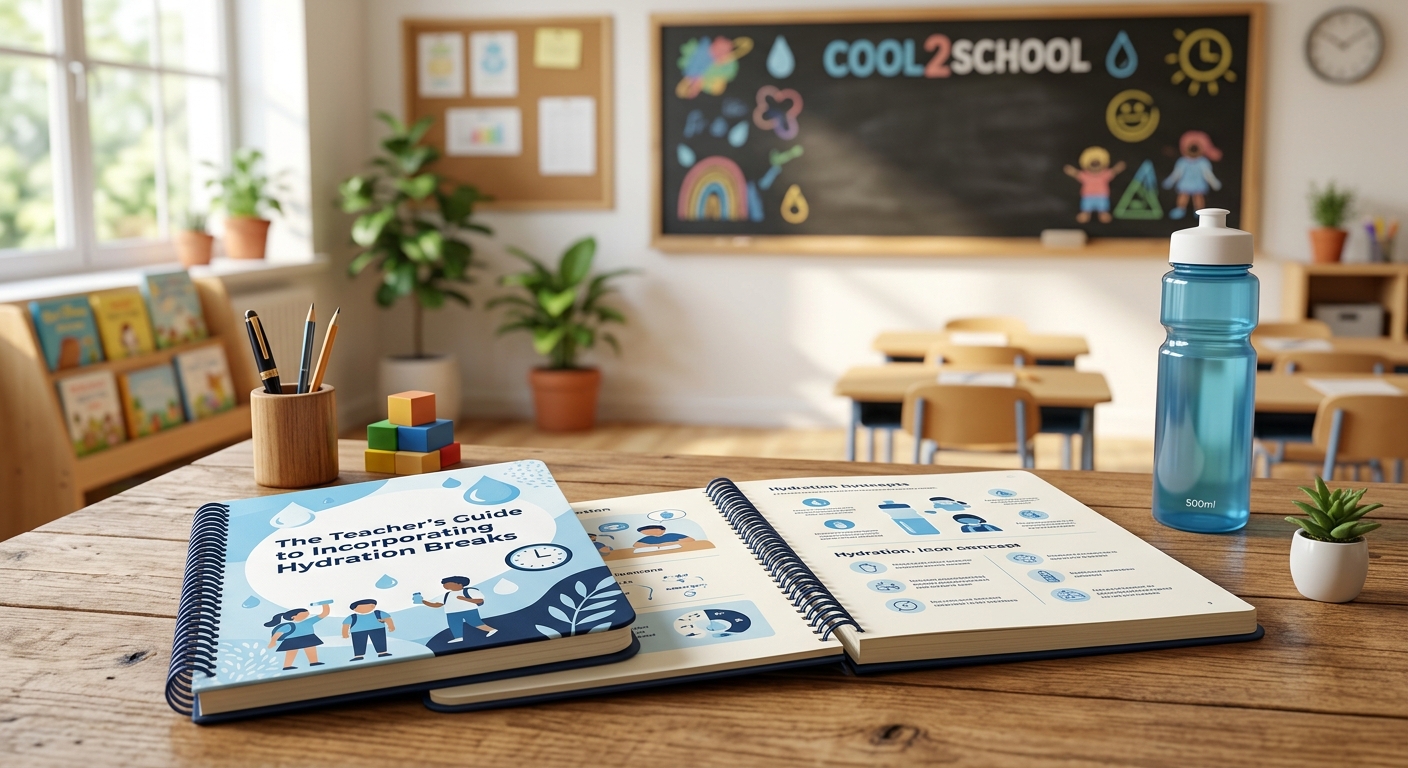
Throughout the day, remind them to sip water regularly. Helpful products like insulated water bottles from Cool2School can keep drinks cool and appealing, making hydration easier.
Time to Play and the Sun
Discuss the best times for outdoor play. Explain that while outdoor activity is great, there are safer times to be active:
- Avoiding play during the hottest parts of the day (11 AM - 3 PM)
- Finding shade wherever possible
- Wearing hats or caps to shield their faces from direct sunlight
Cooling caps from Cool2School can be an excellent addition to outdoor adventures, helping to keep little ones comfortable while they play.
Appropriate Clothing Choices
Another essential aspect of heat safety is dressing appropriately for hot weather. Encourage your children to wear:
- Light-coloured clothing
- Loose-fitting clothes
- Moisture-wicking fabrics
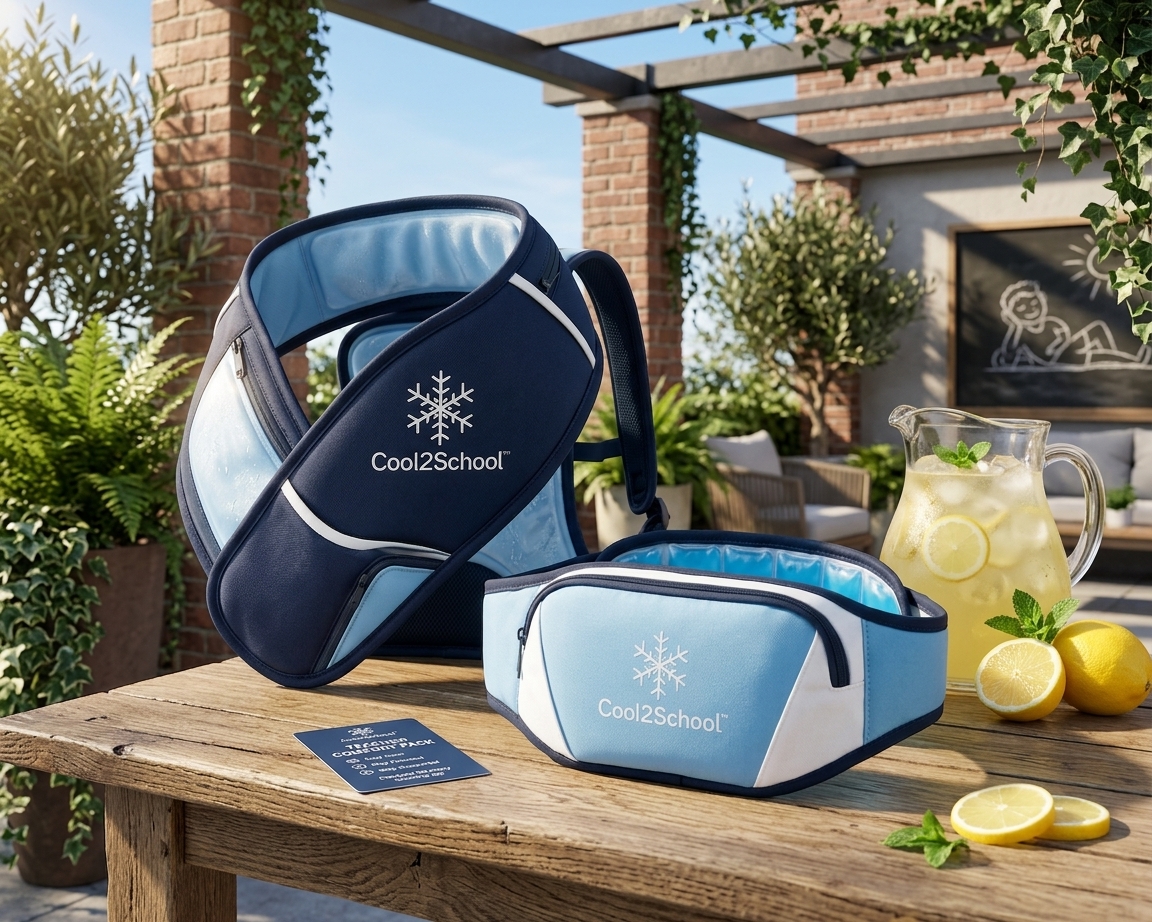
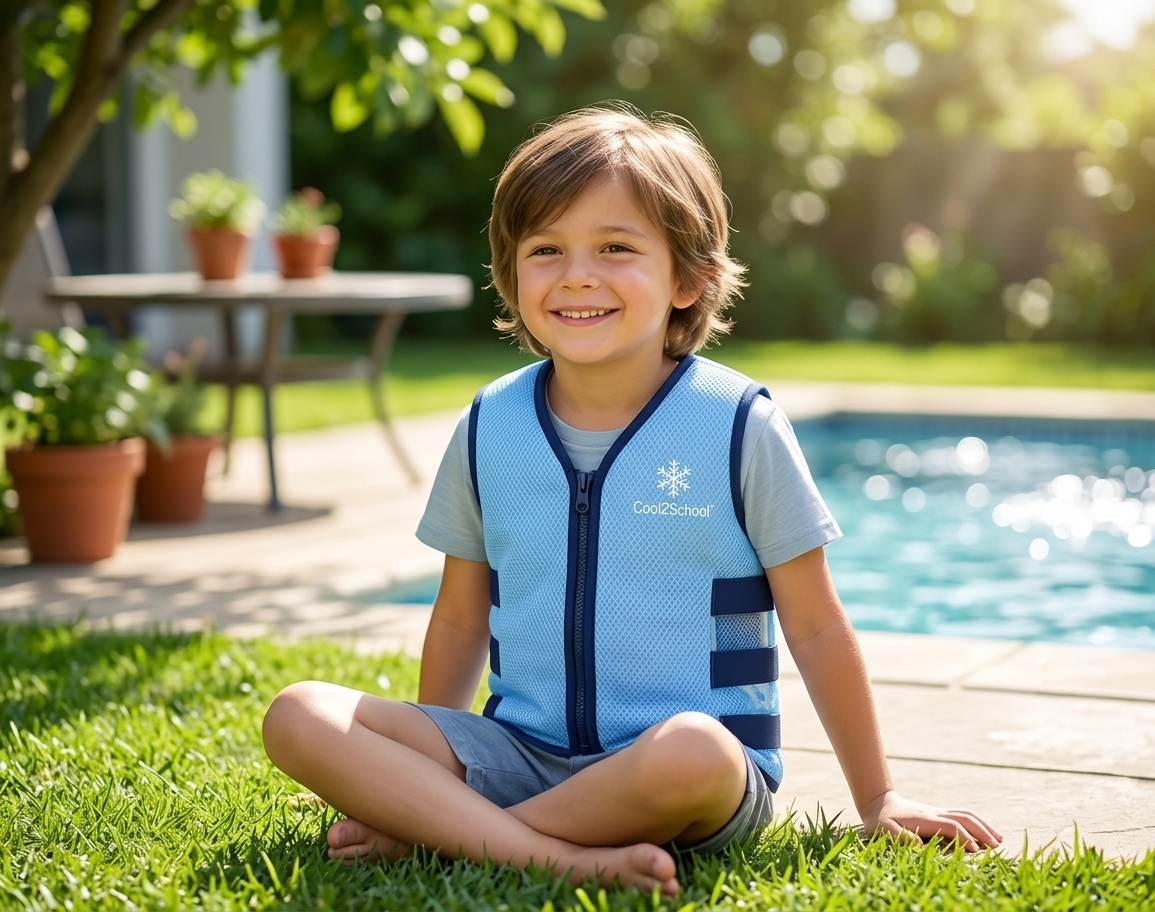
Discuss how these choices can help them stay cooler while outdoors. Alternatively, consider introducing them to cooling vests; these can be particularly effective for prolonged outdoor activities.
Recognising Their Limits
Teach children the importance of listening to their bodies. Remind them that it’s okay to take breaks, seek shade or water, and cool down whenever they feel too hot. Encourage them to let an adult know if they are feeling uncomfortable in the heat.
Key takeaways
- Heat safety discussions are vital for children's health during summer.
- Teach children the signs of heat-related illnesses.
- Encourage regular hydration and provide suitable drinkware.
- Advise on safe playtimes and appropriate clothing choices.
- Foster awareness of personal limits in hot weather.
Conversations about heat safety can empower your child to make informed choices that protect their health and wellbeing during warmer months. With the help of engaging products like Cool2School cooling vests and water bottles, you can ensure they remain safe while enjoying all the fun the summer has to offer.
Get our free Heatwave Checklist
Join our newsletter and we'll send you a printable checklist to keep your children cool, hydrated and safe all summer.