When it comes to designing a playground that is not only fun but also provides protection from the sun, thoughtful planning is key. Creating shaded areas can significantly enhance the play experience for children, ensuring they stay cool and comfortable even on the hottest days. Here are essential tips for schools looking to design a shade-friendly playground.
1. Assess the Playground Location
Before diving into the design process, it’s important to evaluate the specific characteristics of your playground's location.
- Sun Path: Observe the path of the sun throughout the day to identify areas that receive the most light.
- Wind Direction: Consider how prevailing winds might affect comfort, as windy areas can be cooler but also uncomfortable if too exposed.
This assessment will guide you in making informed decisions about where to place shaded structures.
2. Choose the Right Shade Structures
There are various types of shade structures, each with its own benefits. Consider incorporating:
- Shade Sails: These are fabric canopies that can be stretched over play areas and are often more versatile in shape and size.
- Pavilions: Permanent structures that can house picnic tables and seating, providing both shade and a social area.
- Natural Shade: Utilize existing trees whenever possible, but ensure they’re safe and suitable for play.
3. Incorporate Cooling Elements
In addition to providing shade, incorporating other cooling elements can enhance the outdoor experience.
- Water Play Areas: Including splash pads or misting stations allows children to cool off while playing.
- Vegetation: Planting low-maintenance shrubs and flowers can provide a natural cooling effect while also beautifying the space.
- Cool Surfaces: Opt for light-coloured materials and surfaces that remain cooler underfoot, such as rubberised flooring.
4. Provide Comfortable Seating
Shaded seating areas encourage children to take regular breaks, which is essential for preventing overheating. When designing these areas:
- Use Bench Seats: Ensure they are made from materials that do not absorb excessive heat.
- Include Picnic Tables: Spaces for children to gather and enjoy refreshments should also benefit from shade.
5. Plan for Flexibility
The playground should be designed with flexibility in mind, allowing for adjustments as needs change over time.
- Modular Play Equipment: Choosing equipment that can be reconfigured gives schools the ability to update spaces as children grow.
- Future Expansion: Design with potential future shade options in mind, ensuring there is room to add more structures later.
Key Takeaways
- Assess the sun path and wind direction to plan shade locations.
- Choose versatile shade structures tailored to your playground.
- Incorporate cooling elements like water play and vegetation.
- Provide comfortable, shaded seating areas.
- Design the playground with flexibility for future needs.
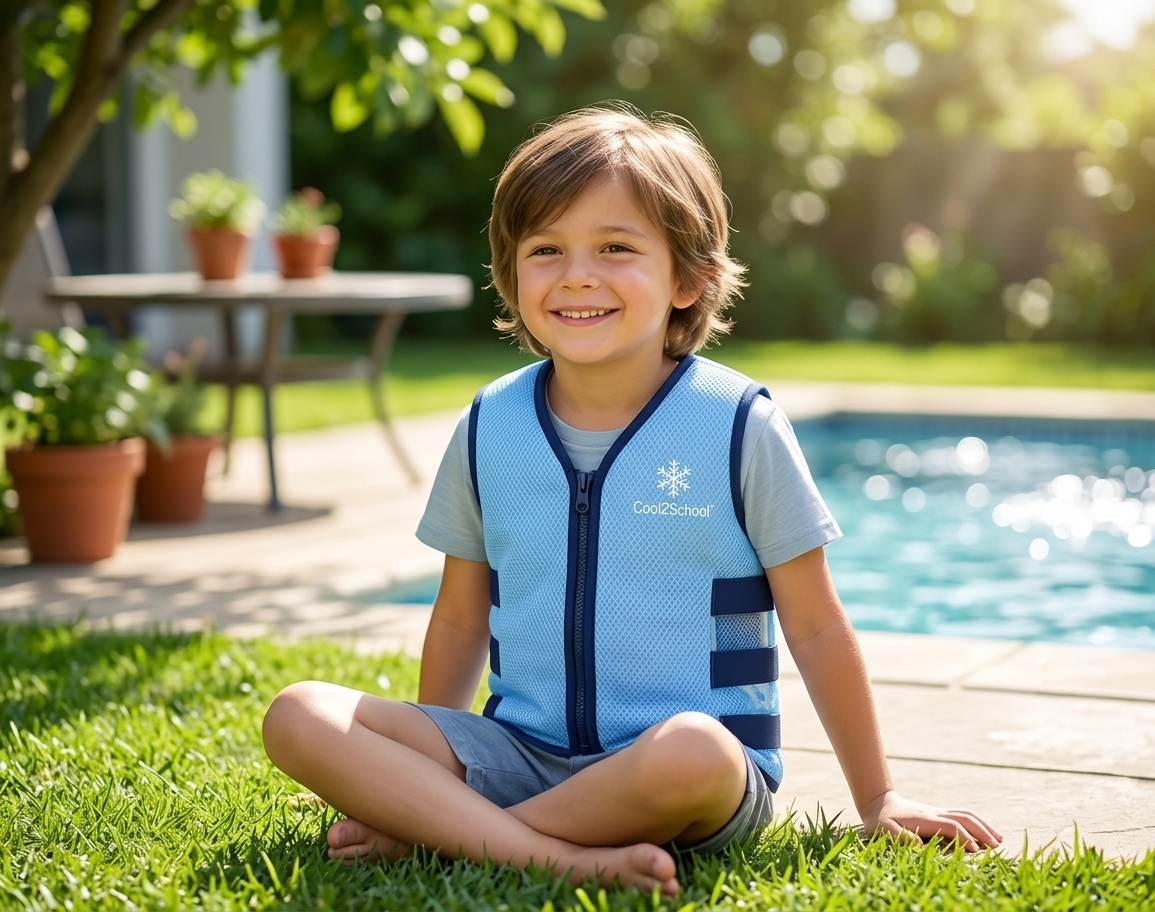
Creating a shade-friendly playground is essential for ensuring children can enjoy outdoor play safely and comfortably, especially during the hot summer months. By following these tips, schools can foster a fun and healthy play environment. To enhance safety and comfort, consider using Cool2School cooling products, which are designed to help children stay cool while playing outdoors.
Get our free Heatwave Checklist
Join our newsletter and we'll send you a printable checklist to keep your children cool, hydrated and safe all summer.