As temperatures rise, so too does the need for teachers to adapt their curriculums. Planning lessons that acknowledge the impact of heat on students' concentration and comfort is vital for maintaining an effective learning environment. Here are some practical tips for integrating heat-awareness into your teaching strategies.
Understanding the Effects of Heat on Learning
Before designing a heat-aware curriculum, it is crucial to understand how excessive heat can affect students. High temperatures can lead to discomfort, dehydration, and decreased attention spans, which can hinder academic performance.
Creating a Flexible Learning Environment
Flexibility is key when planning lessons during hot weather. Consider these strategies:
- Incorporate outdoor classrooms when possible, but ensure shaded areas are available.
- Use portable fans or air conditioning in classrooms to maintain temperature.
- Adapt lesson plans to allow for frequent breaks, especially during physical activities.
Adjusting Lesson Plans for Heat Awareness
Adjusting lesson plans to include heat-related topics can help students understand the importance of hydration and safety during hot weather. Consider these ideas:
- Use science classes to explore weather phenomena and discuss heatwaves.
- Incorporate social studies lessons that address climate change and its effects on local environments.
- Include health education segments about the importance of staying cool and hydrated.
Incorporating Cool2School Products
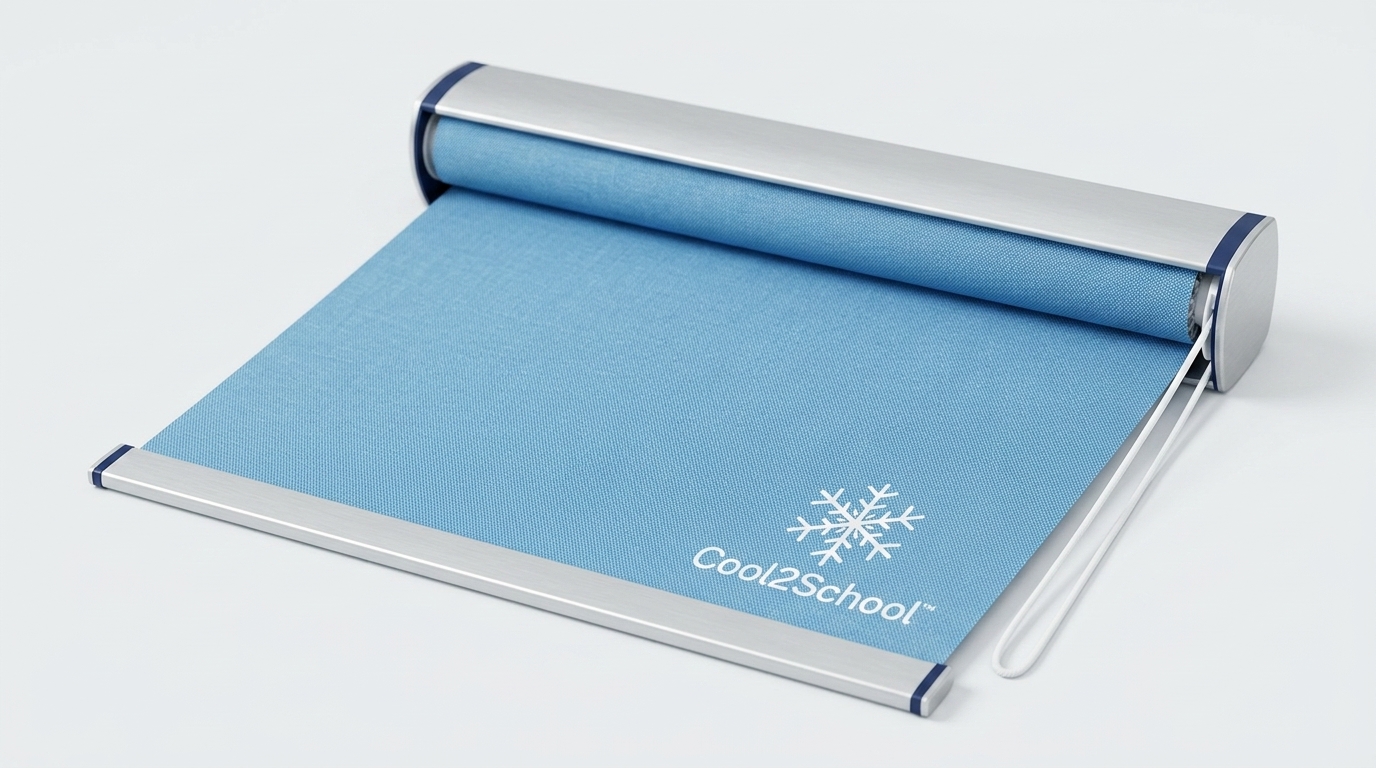
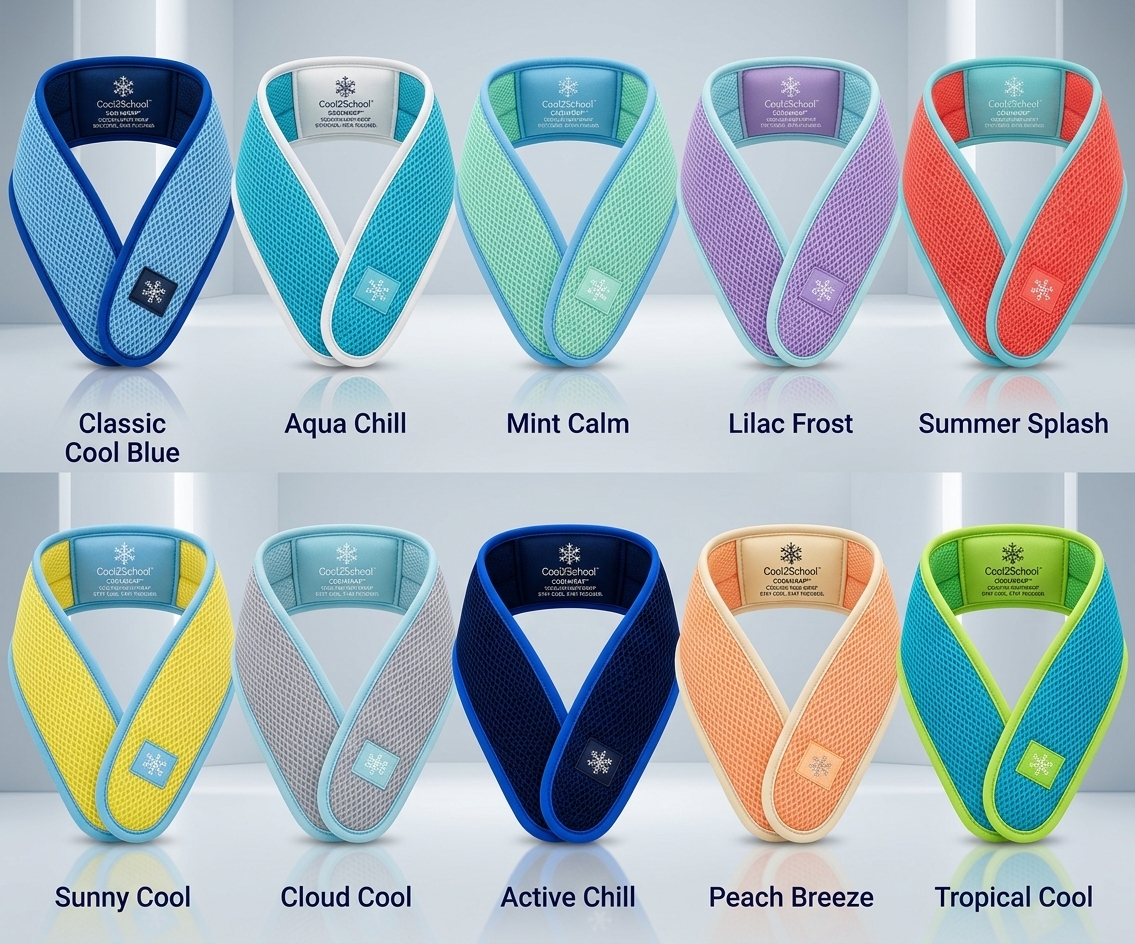
To further enhance the learning experience on hot days, incorporating Cool2School's products can be beneficial. Cooling vests, caps, and neck wraps are excellent tools for keeping children comfortable and focused during lessons. Encourage students to use insulated water bottles to stay hydrated throughout the day.
Engaging Students in Heat Safety
Promoting awareness of heat safety among students is essential. Here are some ways to involve them:
- Organise discussions or workshops on the importance of heat safety.
- Utilise creative projects where students can create posters or presentations on staying cool.
- Incorporate role-playing scenarios that focus on what to do in extreme heat.
Partnering with Parents
Collaboration with parents can ensure that students remain informed about heat safety. Consider these approaches:
- Send home newsletters outlining tips for cooling at home and school.
- Offer workshops that educate parents on the importance of hydration and heat awareness.
- Encourage parents to provide cooling products like those from Cool2School for use during outings.
Key takeaways
- Understand the impact of heat on student learning and engagement.
- Create a flexible and adaptable learning environment suitable for hot weather.
- Incorporate relevant lessons about heat awareness into your curriculum.
- Promote hydration and the use of cooling products to keep students comfortable.
- Engage students actively in discussions about heat safety and awareness.
- Partner with parents to support a culture of heat awareness both at school and home.
By designing a heat-aware curriculum, educators can play a significant role in protecting students' health and enhancing their learning experiences during the warmer months. Remember, a comfortable student is a focused student!
Get our free Heatwave Checklist
Join our newsletter and we'll send you a printable checklist to keep your children cool, hydrated and safe all summer.