Exploring science doesn't always require fancy equipment or a laboratory. In fact, some of the most exciting experiments can be conducted right at home or in the classroom with items you probably already have. Understanding the effects of heat on matter is fundamental in science, and can be a delightful topic for children. In this guide, you’ll find fun and engaging science projects that illustrate the fascinating relationships between heat and various states of matter.
1. Melting Ice Race
This simple yet captivating project allows children to observe how heat changes the state of ice from solid to liquid. They can conduct a friendly competition to see which method melts ice the fastest.
- Materials needed: Ice cubes, various containers (plastic, glass, metal), hot water, salt, and a stopwatch.
- Instruct the children to place ice cubes in each container and experiment with adding hot water, salt, or placing them in sunlight.
- Record the time taken for each cube to melt completely.
Children will learn how different materials conduct heat differently and how this affects the ice’s melting process.
2. Making a Solar Oven
Introduce children to renewable energy and the power of the sun with their own solar oven. This project combines science with an application that can even cook s'mores!
- Materials needed: A pizza box, aluminium foil, clear plastic wrap, and sunlight.
- Cut a flap in the pizza box’s lid and line it with foil to reflect the sunlight.
- Seal the opening with plastic wrap to trap heat inside.
- Place food items inside to test how hot the oven can get on warm, sunny days.
This project showcases how solar energy can convert heat energy to achieve a practical outcome.
3. Balloon Inflation Experiment
This fun exercise shows how heat can cause gases to expand. Children can inflate balloons using a chemical reaction without the need for a pump.
- Materials needed: Small bottle, baking soda, vinegar, and balloons.
- Fill the bottle with vinegar and add baking soda into the balloon.
- Attach the balloon to the bottle’s neck and allow the two substances to mix.
As a result, the reaction will produce carbon dioxide gas, inflating the balloon. Kids will learn about gas expansion and reactions that create heat.
4. Hot and Cold Experiments with Water
Through this project, kids can observe how heat transfer affects water. It’s as simple as looking at how temperature influences water colour and movement.
- Materials needed: Warm water, cold water, food colouring, and clear containers.
- Fill one container with warm water and another with cold water.
- Drop food colouring in both and observe the movement and diffusion of colours.
This demonstrates convection currents and how heat can affect the density and behaviour of liquids.
5. Egg in a Bottle Experiment
This classic experiment visually captures the effects of heat and pressure. It results in a hard-boiled egg being sucked into a bottle.
- Materials needed: Boiled egg, glass bottle with a neck slightly smaller than the egg, and matches.
- Light a piece of paper and quickly drop it into the bottle, then place the egg on the neck.
The flame will create heat, and as it burns out, it will decrease the pressure inside the bottle, sucking the egg inside. This illustrates the principles of thermodynamics effectively!
Key takeaways
- Heat can change the state of matter—solid to liquid, liquid to gas.
- Exploring heat's effects can be fun and educational for children.
- Hands-on experiments enhance learning and retention of scientific concepts.
- Simple materials can lead to engaging science projects.
- Safety first: always supervise children during experiments.
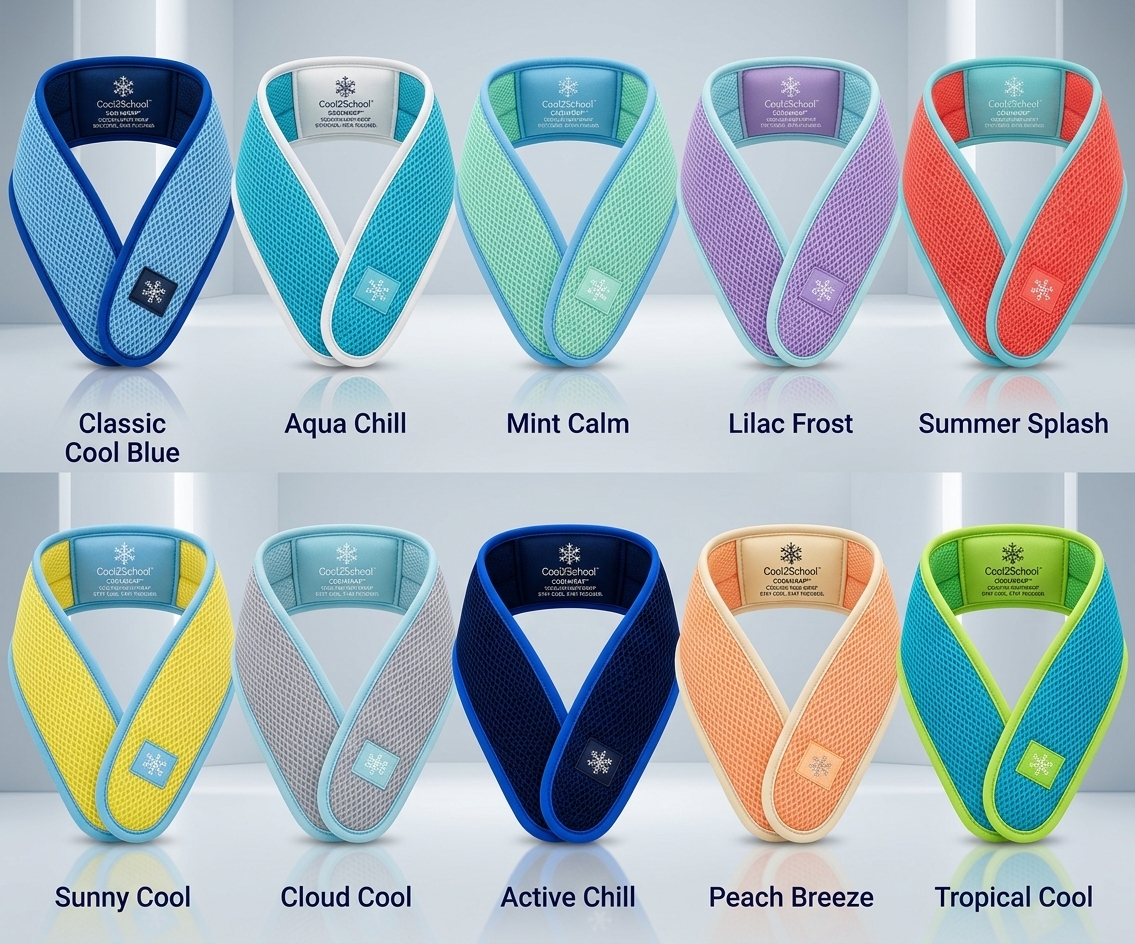
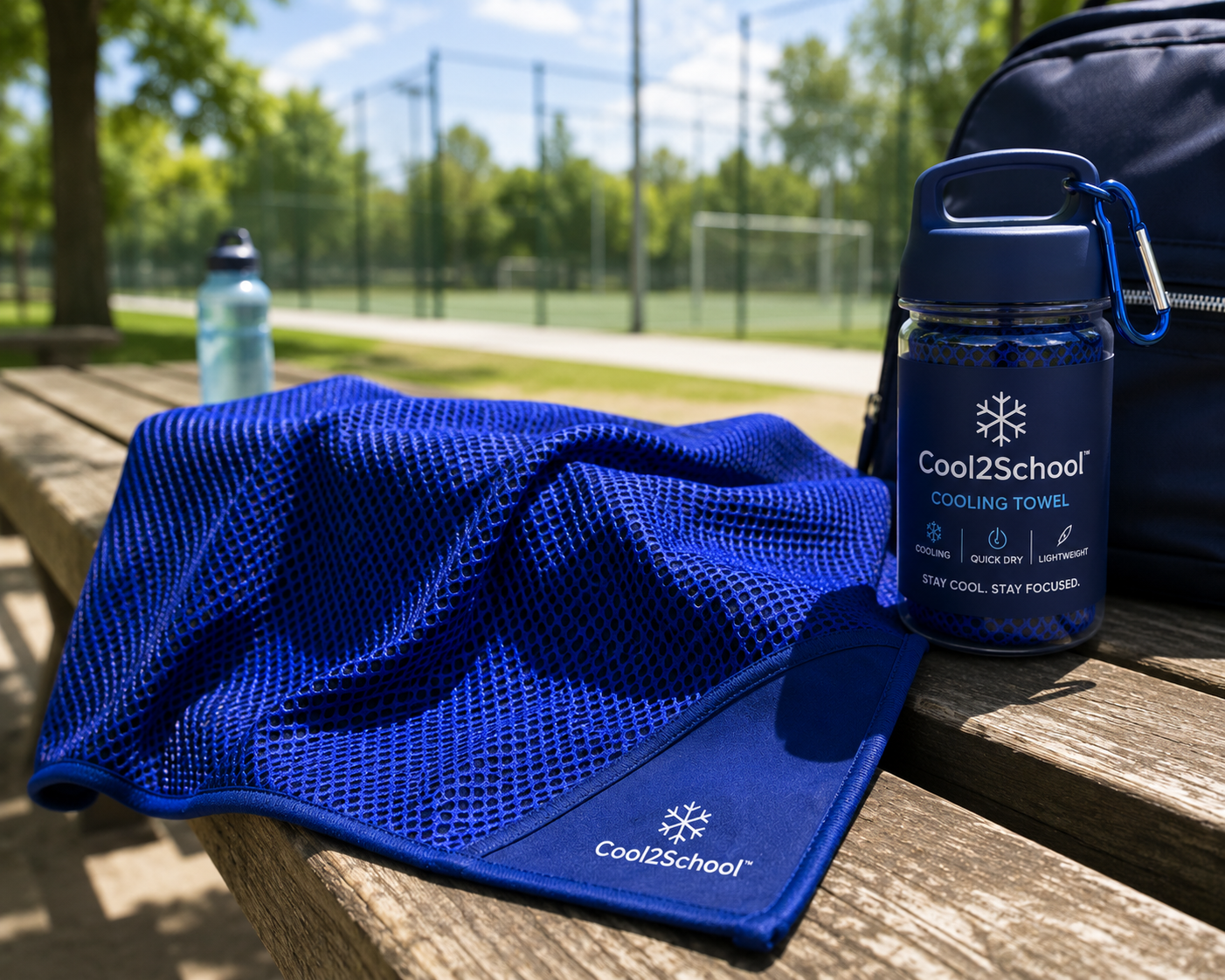
These fun science projects demonstrate how heat affects matter in various forms, fostering curiosity and a love for learning in children. By integrating outdoor activities and exciting experiments, parents and teachers can help youngsters understand foundational scientific principles while keeping cool using Cool2School products during warm afternoons. Happy experimenting!
Get our free Heatwave Checklist
Join our newsletter and we'll send you a printable checklist to keep your children cool, hydrated and safe all summer.