As temperatures rise during the summer months, it's essential for teachers to educate children about heat safety. By equipping students with the knowledge and tools they need to stay cool, you can help prevent heat-related illnesses while ensuring a fun and safe learning environment.
Understanding Heat Safety
Heat safety is more than just wearing appropriate clothing; it’s about recognising the signs of heat exhaustion and heat stroke and knowing how to respond. It’s vital to educate kids on how to keep their bodies cool and hydrated.
Five Essential Tools for Educating Students
Here are five essential tools every teacher should incorporate into their lessons to promote heat safety:
- Interactive Lessons: Use engaging activities and fun quizzes to educate students about the risks of excessive heat. Topics could include the science of sweating, how the sun affects our bodies, and signs of overheating.
- Visual Aids: Posters and charts that depict heat safety tips can be effective visual reminders. Display these in classrooms and around school areas, especially in spaces where outdoor play occurs.
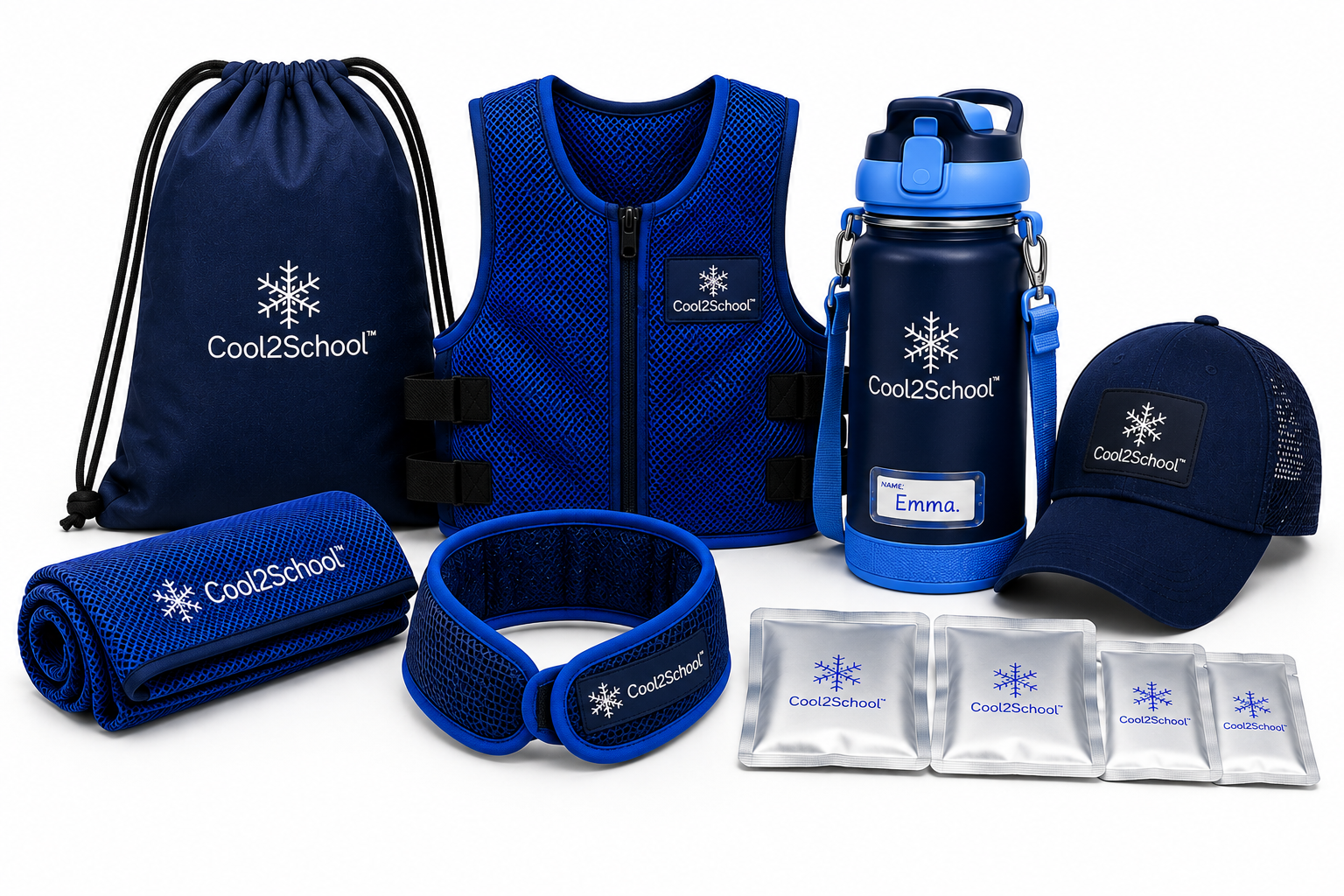
- Practical Demonstrations: Conduct demonstrations on effective cooling techniques, such as wearing Cool2School cooling vests or using insulated water bottles. Helping children understand the importance of staying vigilant about hydration and cooling can be impactful.
- Role-Playing Scenarios: Encourage students to act out situations where they need to make decisions regarding heat safety. This can help build their confidence in recognising and responding to potential heat hazards.
- Daily Heat Advisories: Incorporate a daily check-in on the weather, discussing how high temperatures can affect their day-to-day activities. This helps students learn to anticipate and prepare for hot weather.
Hydration as a Central Theme
Keeping hydrated is perhaps the most crucial aspect of heat safety. Make water easily accessible in your classroom with insulated water bottles from Cool2School. Encourage students to take regular water breaks and understand why hydration is essential for maintaining their energy and focus.
Encouraging Self-Monitoring
Teach students to be aware of their own bodies. Encourage them to be mindful of how they feel when it’s hot outside. Discuss symptoms of heat exhaustion like excessive sweating, fatigue, or dizziness, and what steps to take if they notice these signs.
Building a Cool Environment
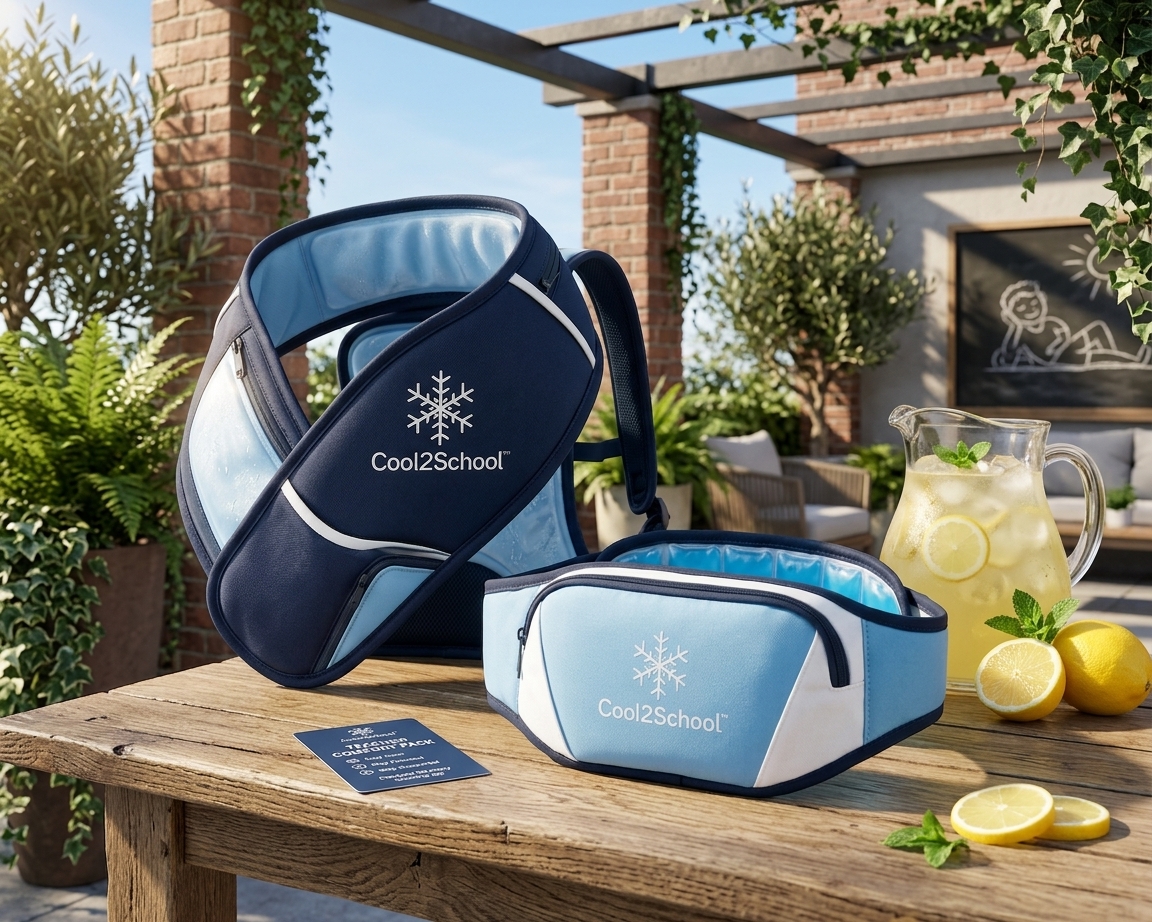
While educators can't control the weather, they can create a cool environment in their classrooms. Incorporating Cool2School products, like cooling caps or neck wraps, can help students regulate their temperature even in stuffy classrooms.
Key takeaways
- Equip students with knowledge about heat safety.
- Utilise interactive and practical teaching methods.
- Emphasise the importance of hydration.
- Encourage self-monitoring for heat-related symptoms.
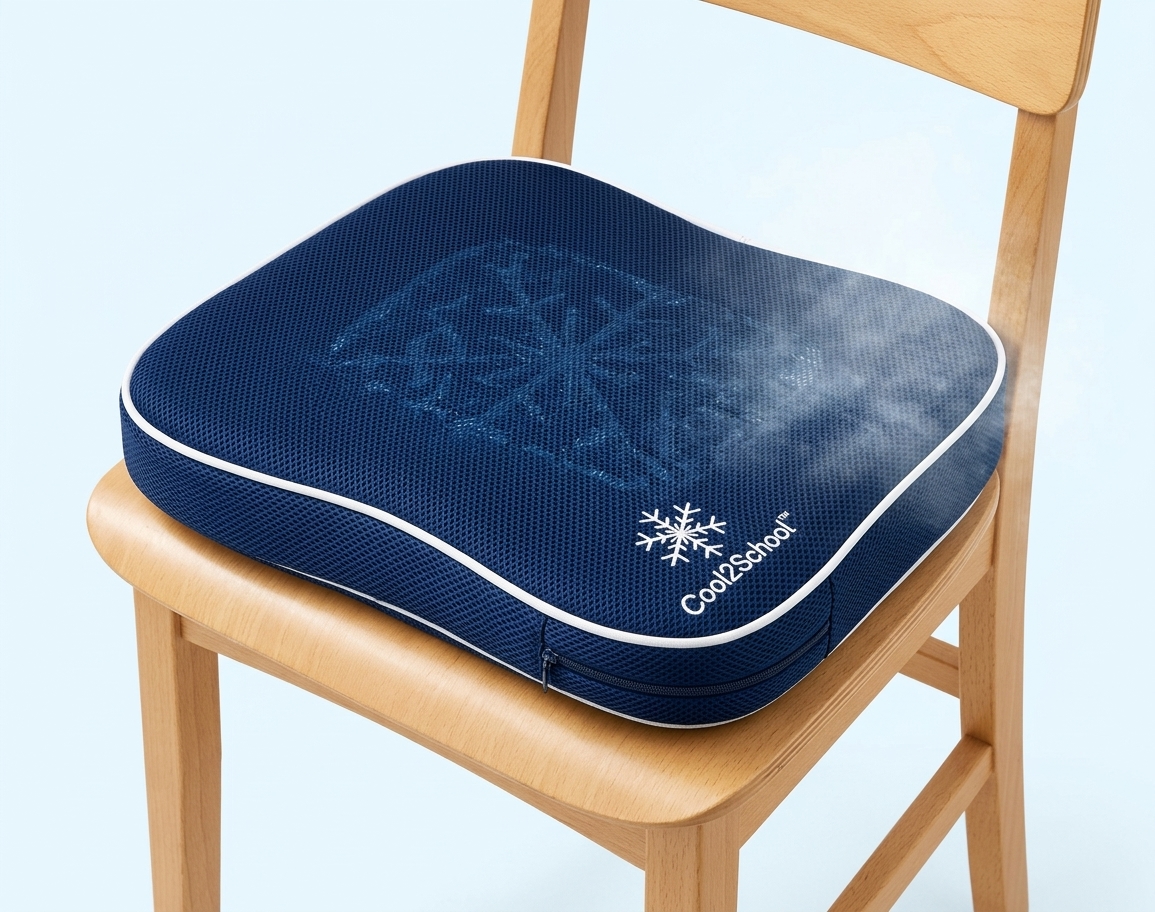
- Create a comfortable learning environment using cooling products.
By integrating these essential tools into your teaching approach, you can significantly enhance children's awareness of heat safety. This is not only crucial during hot weather but helps equip them with valuable skills that will last a lifetime. Together, let's keep our students cool, safe, and ready to learn!
Get our free Heatwave Checklist
Join our newsletter and we'll send you a printable checklist to keep your children cool, hydrated and safe all summer.