As temperatures rise, creating an educational heat safety curriculum for students becomes increasingly vital. Every year, children face the risks associated with heat exposure, especially during summer months. Educating students on heat safety not only protects them but also empowers them with knowledge to make informed choices. This article provides a roadmap on how to create an effective heat safety curriculum tailored for students.
Understanding Heat Safety
Before developing a curriculum, it's essential to understand what heat safety encompasses. Heat safety involves teaching students about the risks associated with extreme temperatures, recognising the signs of heat exhaustion, and knowing how to protect themselves.
Curriculum Goals
Identify the main goals for your heat safety curriculum. Consider including the following:
- Understanding heat-related illnesses
- Recognising symptoms of heat exhaustion and heat stroke
- Learning preventive measures
- Hydration strategies
- Appropriate clothing choices
Engaging Lesson Plans
Develop lesson plans that are engaging and interactive. This ensures that students are not only informed but also actively participating in their learning. Here are some ideas:
- Outdoor Learning: Conduct classes in a shaded area outdoors. Discuss how sunlight and heat affect us while enjoying nature.
- Group Activities: Create games or challenges focused on identifying heat safety measures, such as what to wear on hot days or how to stay hydrated.
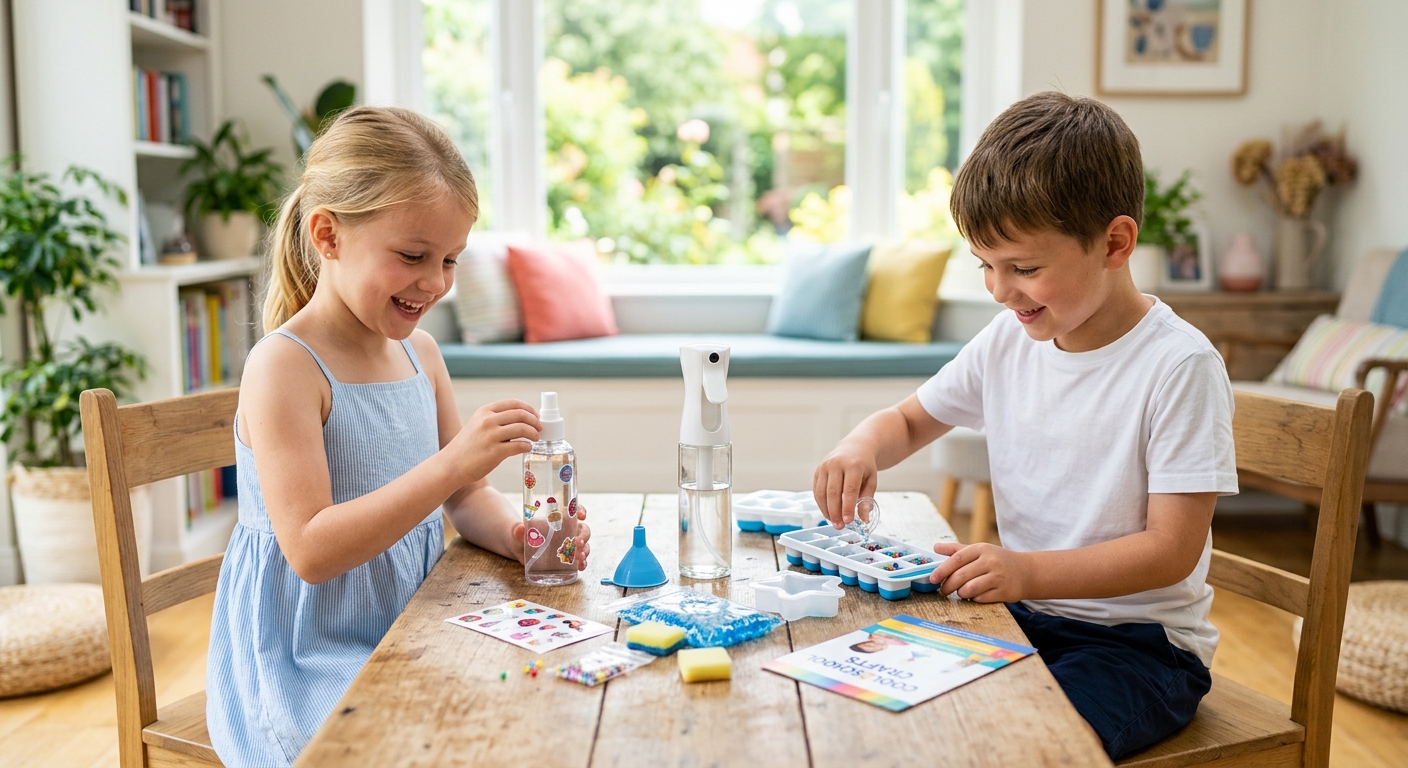
- Art Projects: Encourage students to create posters or infographics illustrating heat safety tips, which can be displayed around the school.
Utilising Resources
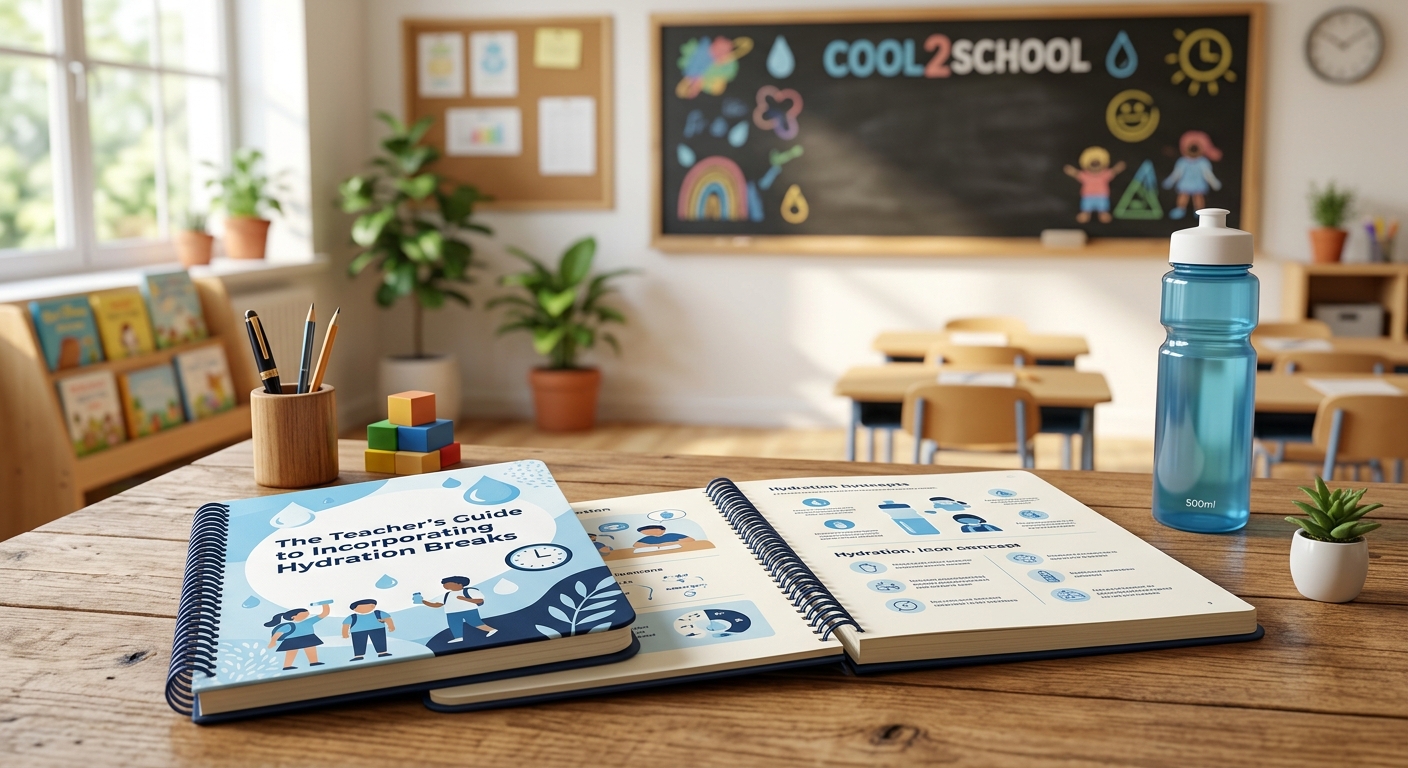
Incorporate various resources to enrich your curriculum. Here are some useful tools:
- Videos & Documentaries: Use age-appropriate educational videos that highlight heat safety.
- Workshops: Invite local health professionals or fire safety officers to conduct workshops focused on heat-related illnesses.
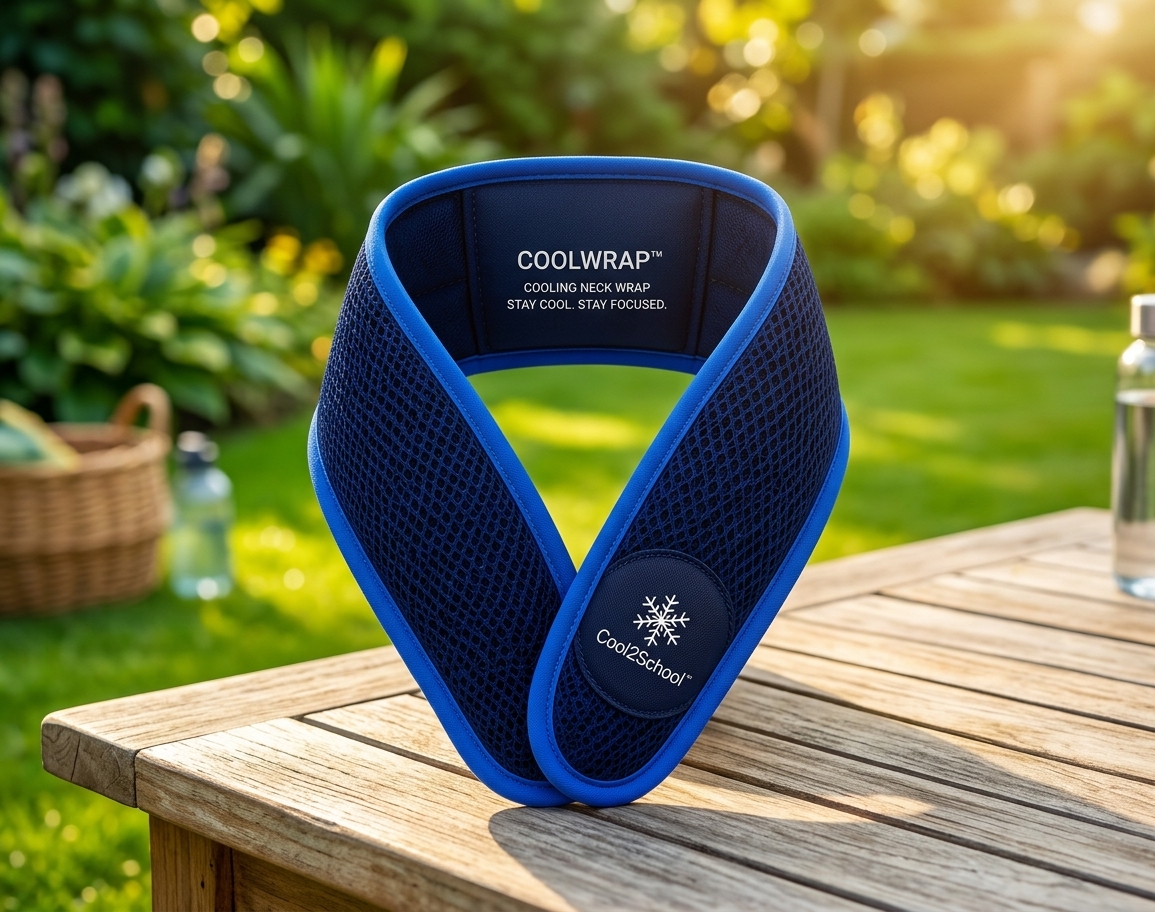
- Cool2School Products: Introduce your class to Cool2School's cooling vests, neck wraps, and insulated bottles as practical tools for staying cool.
Assessment and Feedback
Assessing students’ understanding of heat safety is crucial. Consider these methods:
- Quizzes: Short quizzes can help you measure retention of information.
- Projects: Assign projects requiring students to demonstrate their knowledge through presentations or creative expression.
- Feedback Forms: Collect student feedback on what they learned and enjoyed to improve your curriculum.
Community Involvement
Engaging the wider community enhances learning. Involve parents and local organisations to support your initiative:
- Parent Workshops: Hold sessions for parents on how to reinforce heat safety at home.
- School Events: Organise a community event that showcases students' projects and learns more about heat safety together.
Key takeaways
- Heat safety is essential for student health, especially in warmer months.
- Incorporate interactive and engaging activities to teach heat safety.
- Utilise resources like Cool2School products to provide practical solutions.
- Assess students’ understanding to ensure the curriculum is effective.
- Involve the community to reinforce learning and support heat safety awareness.
Creating an educational heat safety curriculum is a beneficial way to promote awareness among students. By fostering an environment that prioritises safety and practical knowledge, you can help ensure students stay healthy and enjoy their time outdoors, even on the hottest days.
Get our free Heatwave Checklist
Join our newsletter and we'll send you a printable checklist to keep your children cool, hydrated and safe all summer.