As the sun shines brighter and temperatures rise, creating a shade-friendly outdoor space for children becomes increasingly important. Schools and daycare centres can play a vital role in ensuring that children enjoy the outdoors safely and comfortably. This article explores effective strategies for designing shaded areas that keep kids cool while they engage in play and learning.
Understanding the Importance of Shade
Shade is essential for several reasons:
- Comfort: Providing shaded areas helps kids stay cool while playing, reducing the risk of overheating.
- Safety: Sunburn and heat-related illnesses can occur quickly, especially in young children. Shade protects against these hazards.
- Encouraged Outdoor Activity: With ample shaded areas, children are more likely to spend time outside, promoting physical activity and social interaction.
Assessing Your Outdoor Space
Before you start adding shade solutions, assess the outdoor area. Identify spots that receive the most sunlight and consider how children typically use the space. Are there favourite spots for play, learning, or relaxation? Understanding the layout will guide your design.
Choosing Effective Shade Solutions
There are various options for creating shade in outdoor spaces. Here are some to consider:
- Natural Shade: Planting trees is one of the most effective and environmentally friendly ways to provide shade. Consider trees that grow tall and wide.
- Shade Structures: Installing shade sails, canopies, or pergolas can create covered areas for children to play or learn. These can be tailored to fit the aesthetic of the school and can cover larger spaces.
- Portable Shade Solutions: For temporary shade, consider using pop-up tents or umbrellas. These are ideal for events or flexible outdoor classrooms.
- Shaded Play Equipment: Choose playground structures that offer built-in shade, such as slides or climbing frames with overhead coverings.
Designing a Multi-Functional Space
To maximise outdoor enjoyment, design your shade-friendly area to accommodate various activities:
- Play Zones: Create distinct areas for structured play, messy activities, and quiet reflection, all within shaded environments.
- Learning Areas: Incorporate benches or picnic tables beneath shaded structures for outdoor classrooms or reading spots. Kids can enjoy lessons in comfort.
- Gardening Spaces: A small garden can also include shady patches for children to explore, learn about nature, and engage in hands-on activities.
Encouraging Usage of Shade Areas
It’s important to cultivate a culture of using shaded spaces. Here are some ideas:
- Intentional Scheduling: Organise play and learning activities that utilise shaded areas during the hottest parts of the day.
- Education on Sun Safety: Teach children the importance of protecting themselves from the sun. Make it a fun lesson with interactive games and discussions.
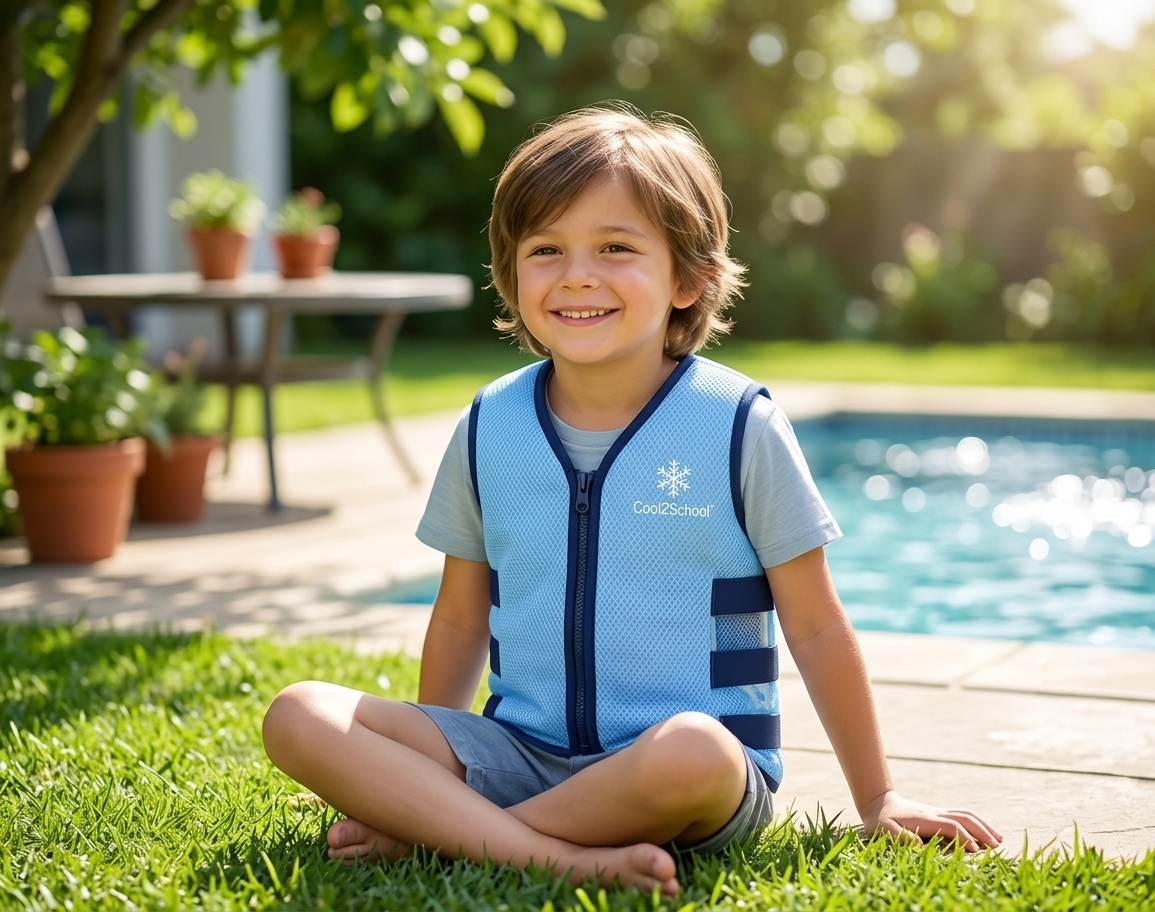
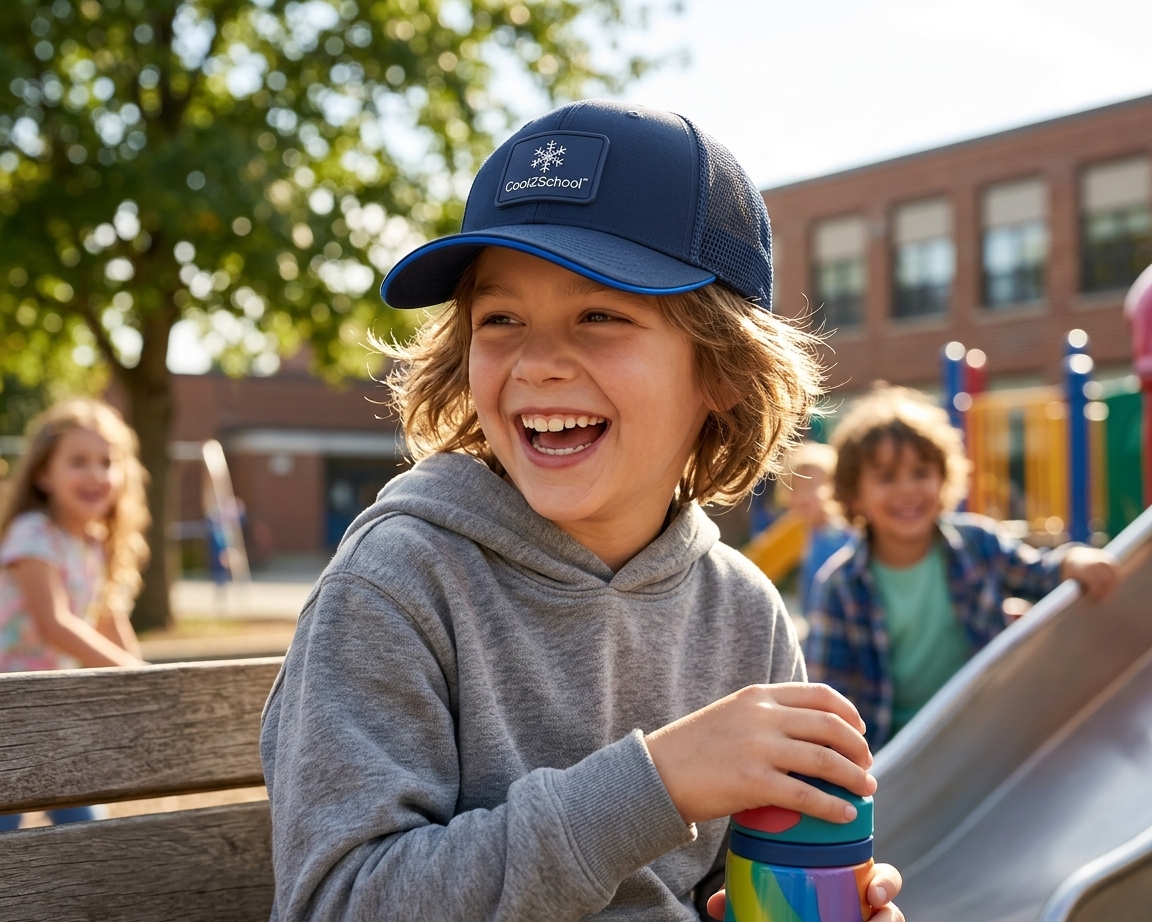
- Incorporate Cooling Products: Equip children with cooling vests and caps during outdoor activities to ensure they remain comfortable while playing.
Key Takeaways
- Shade protects children from heat-related risks and promotes outdoor activity.
- Assess existing spaces to identify areas needing shade intervention.
- Utilise natural shade and consider purpose-built structures for optimal coverage.
- Create multi-functional spaces that cater to play, learning, and exploration.
- Encourage safe outdoor play by fostering a culture of sun safety and comfort.
By thoughtfully designing a shade-friendly outdoor space, schools can ensure children can enjoy their time outside safely and comfortably. Incorporating a variety of shade solutions and fostering an understanding of sun safety will contribute to a healthier, more engaging environment for all children.
Get our free Heatwave Checklist
Join our newsletter and we'll send you a printable checklist to keep your children cool, hydrated and safe all summer.