As temperatures rise during the summer months, schools face the challenge of keeping students safe and comfortable in the heat. Collaborating on a Parent-Teacher Heat Preparedness Plan can help ensure that both educators and families are equipped to handle hot weather effectively. Here’s how to create a comprehensive plan, ensuring children remain cool and focused in the classroom.
Assessing Heat Risks
Begin by evaluating the specific heat risks your school may face. Consider factors including location, building design, and access to shaded areas.
- Location: Urban heat islands may increase temperatures compared to rural areas.
- Building Design: Older buildings may lack adequate ventilation and air conditioning.
- Outdoor Areas: Check for playgrounds and sports fields that might be exposed to direct sunlight.
Communicating with Parents and Guardians
Clear communication is key to building a strong parent-teacher partnership. Implement regular updates about heat policies, safety tips, and scheduled activities.
- Send newsletters or emails detailing upcoming weather forecasts and how they may affect school routines.
- Engage parents in discussions about their children's hydration and cooling needs at home.
Establishing a Hydration Protocol
One of the most critical aspects of heat preparedness is ensuring children stay hydrated.
- Encourage parents to send children to school with reusable insulated water bottles.
- Set up regular hydration breaks throughout the day, ensuring every child has access to water.
- Install water refill stations or provide chilled, filtered water where possible.
Creating Outdoor Activity Guidelines
Outdoor activities can quickly become unsafe during heatwaves. Having clear guidelines helps ensure physical education and recess remain enjoyable yet safe.
- Limit outdoor activities during peak sun hours (typically between 11 AM and 3 PM).
- Encourage alternative activities that can be conducted indoors, such as arts and crafts.
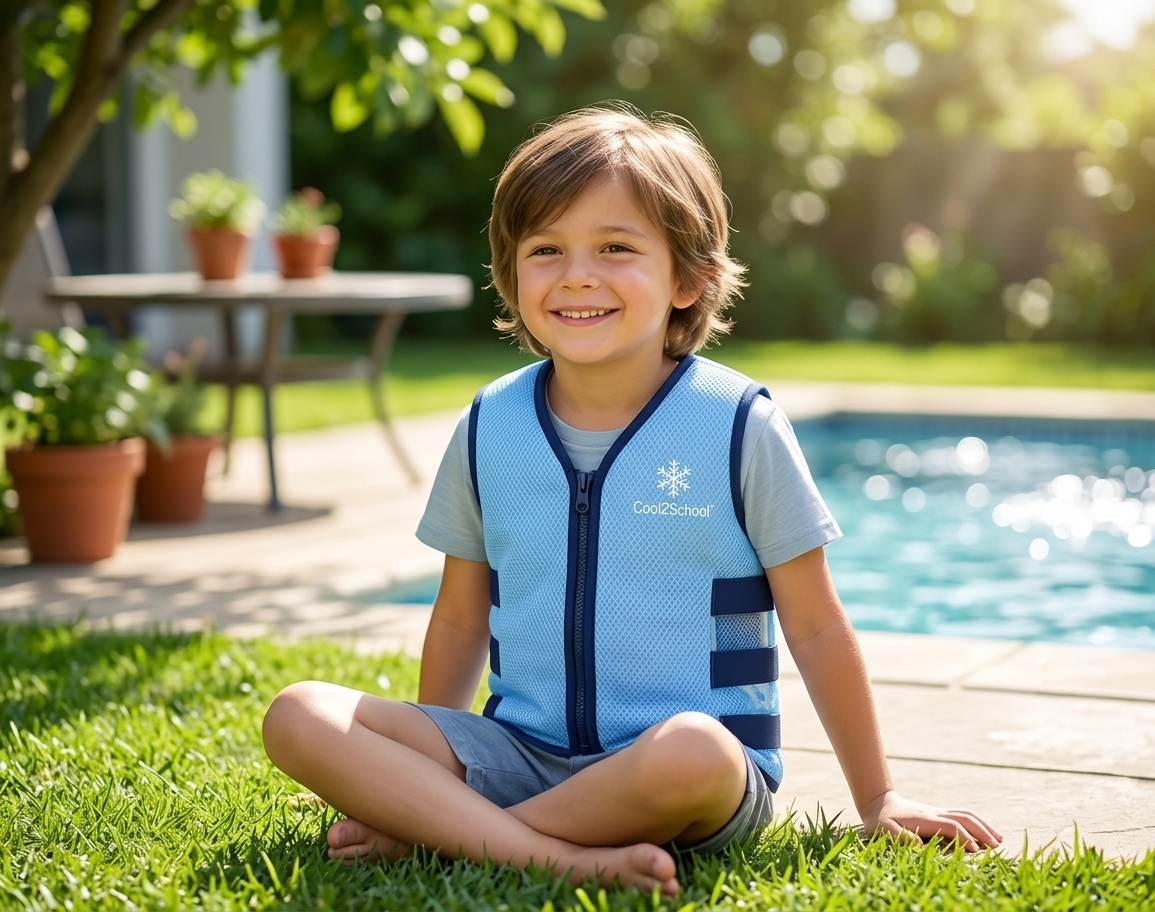
- Ensure kids wear light-coloured, breathable clothing, and consider providing cooling vests for those spending time outside.
Designating Cooling Areas
Establishing designated cooling areas within the school can provide students with safe spaces to cool off when temperatures soar.
- Identify rooms with air conditioning or good ventilation.
- Take advantage of shaded areas outdoors for relaxation during breaks.
- Consider using products like Cool2School neck wraps and caps to enhance cooling during outdoor periods.
Emergency Response Plan
In case of heat-related incidents, it is vital to have a clear action plan in place.
- Train staff on recognising signs of heat stress and dehydration.
- Define procedures for quickly relocating students to cooler areas.
- Communicate how parents will be informed of any heat-related emergencies.
Key takeaways
- Collaborate with parents and staff to assess heat risks and establish protocols.
- Prioritise communication regarding heat policies and hydration needs.
- Limit outdoor activities during peak temperature hours.
- Designate cooling areas within the school to help students feel comfortable.
- Prepare an emergency response plan for heat-related incidents.
By proactively developing a Parent-Teacher Heat Preparedness Plan, schools can create a safe and nurturing environment for children during hot weather. This collaborative effort not only keeps kids cool but also reassures parents that their children's well-being is a top priority.
Get our free Heatwave Checklist
Join our newsletter and we'll send you a printable checklist to keep your children cool, hydrated and safe all summer.