With warmer weather becoming increasingly common, it is essential for both parents and educators to teach children about heat safety. Young ones often underestimate the dangers associated with high temperatures, making it vital to instil good habits and knowledge early on. This guide outlines various strategies to cultivate awareness and promote safety, ensuring children can enjoy summer while staying protected.
Understanding Heat Risks
Before teaching children about heat safety, it's crucial to explain the risks involved with high temperatures. In simple terms, discuss how excessive heat can impact their health. Key risks include:
- Dehydration
- Heat exhaustion
- Heat stroke
Use age-appropriate language and relatable examples to help them grasp these concepts. For instance, you could compare overheating to how a computer might shut down if it gets too hot.
Practical Lessons on Hydration
One of the most effective ways to beat the heat is through proper hydration. Encourage children to:
- Drink water regularly, especially before going outdoors.
- Avoid sugary drinks and caffeine which can lead to dehydration.
- Recognise signs of thirst and the importance of responding to it.
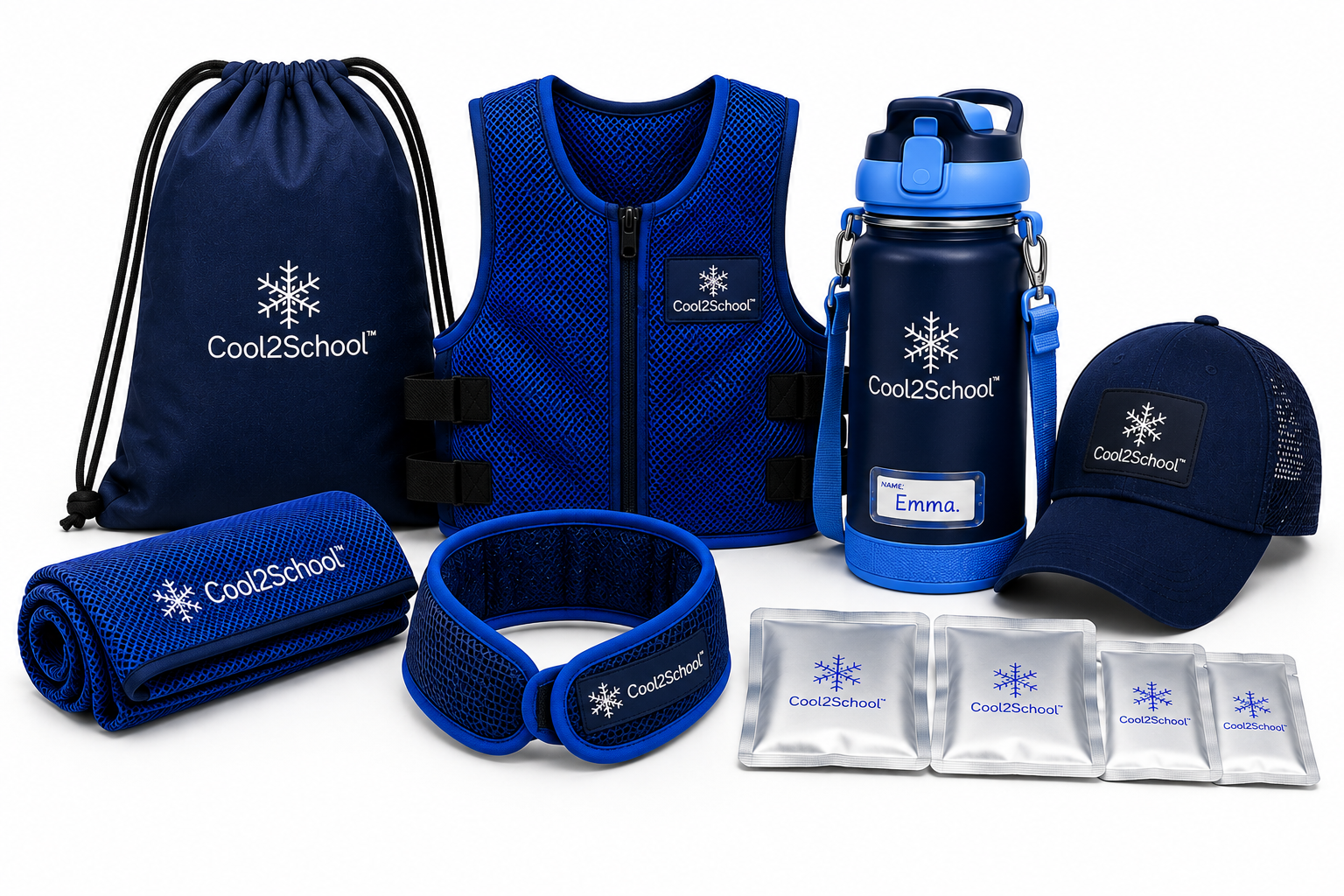
You might consider using insulated water bottles, like those from Cool2School, to keep their drinks cool and enjoyable throughout the day.
The Cool Factor: Proper Attire
Teaching children about appropriate summer clothing can help them stay comfortable and protect them from heat. Important considerations include:
- Wearing light-coloured, loose-fitting clothes.
- Using wide-brimmed hats for shade.
- Donning UV-protective swimwear or clothing during outdoor activities.
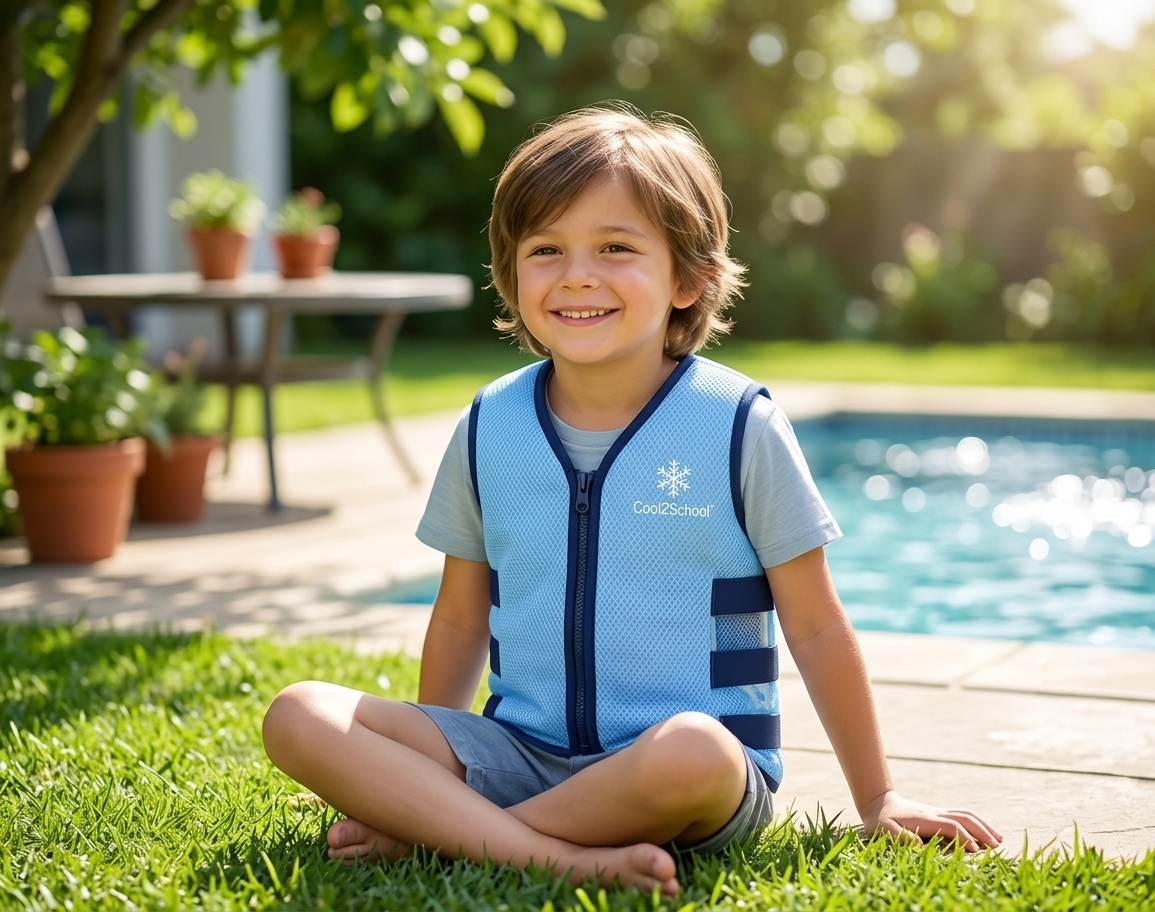
Introduce them to Cool2School cooling vests and caps that provide extra protection against heat while they run about in the sun.
Creating Shade and Cool Spaces
Help children understand the significance of finding or creating shady spots when they are outside. Strong sunlight can quickly raise temperatures, leading to overheating. In practical terms:
- Encourage them to play under trees or canopies.
- Create a shaded area in the garden for outdoor activities.
- Use sun umbrellas or awnings if they are at the beach or park.
Discuss the importance of taking regular breaks indoors, especially during peak sun hours.
Setting Up a Heat Safety Plan
Involving children in creating a heat safety plan can empower them to take control of their well-being. Here are some steps to include:
- Discuss peak heat times and when it is safe to be outdoors.
- Identify activities they enjoy that can be done in the shade or indoors.
- Establish a routine for checking temperatures and hydration levels.
Regularly revisiting this plan during hot days can reinforce its importance and encourage proactive behaviours.
Encouraging Open Communication
It's crucial to create an environment where kids feel comfortable discussing their discomfort or signs of overheating. Teach them to express how they feel, and model healthy conversations about heat safety. This can be done by actively listening and validating their feelings when they tell you they're too hot or thirsty.
Key takeaways
- Understand and explain heat risks to children in simple terms.
- Encourage regular hydration and help them identify signs of thirst.
- Promote appropriate summer attire and the use of cooling products.
- Create shaded spaces and encourage breaks from sun exposure.
- Develop a heat safety plan with active participation from children.
- Foster an open channel of communication about heat-related concerns.
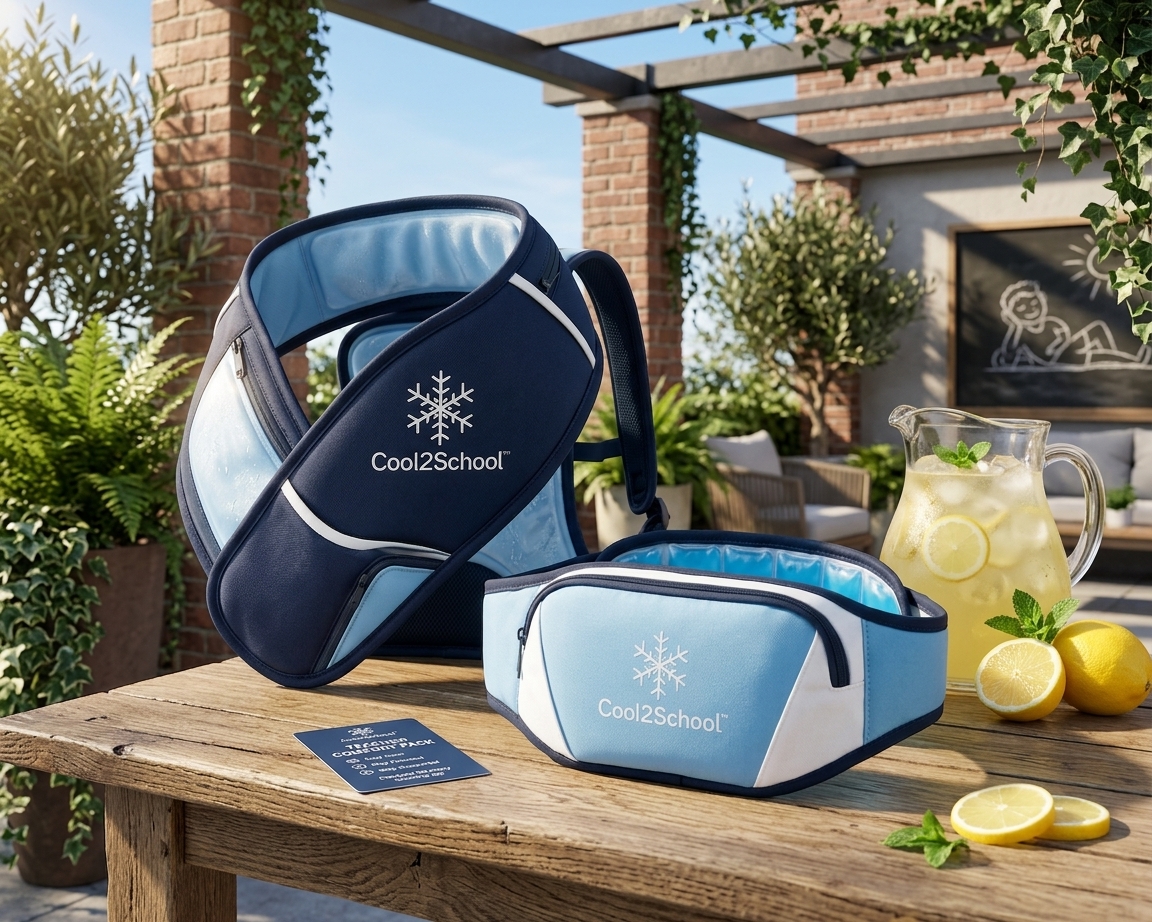
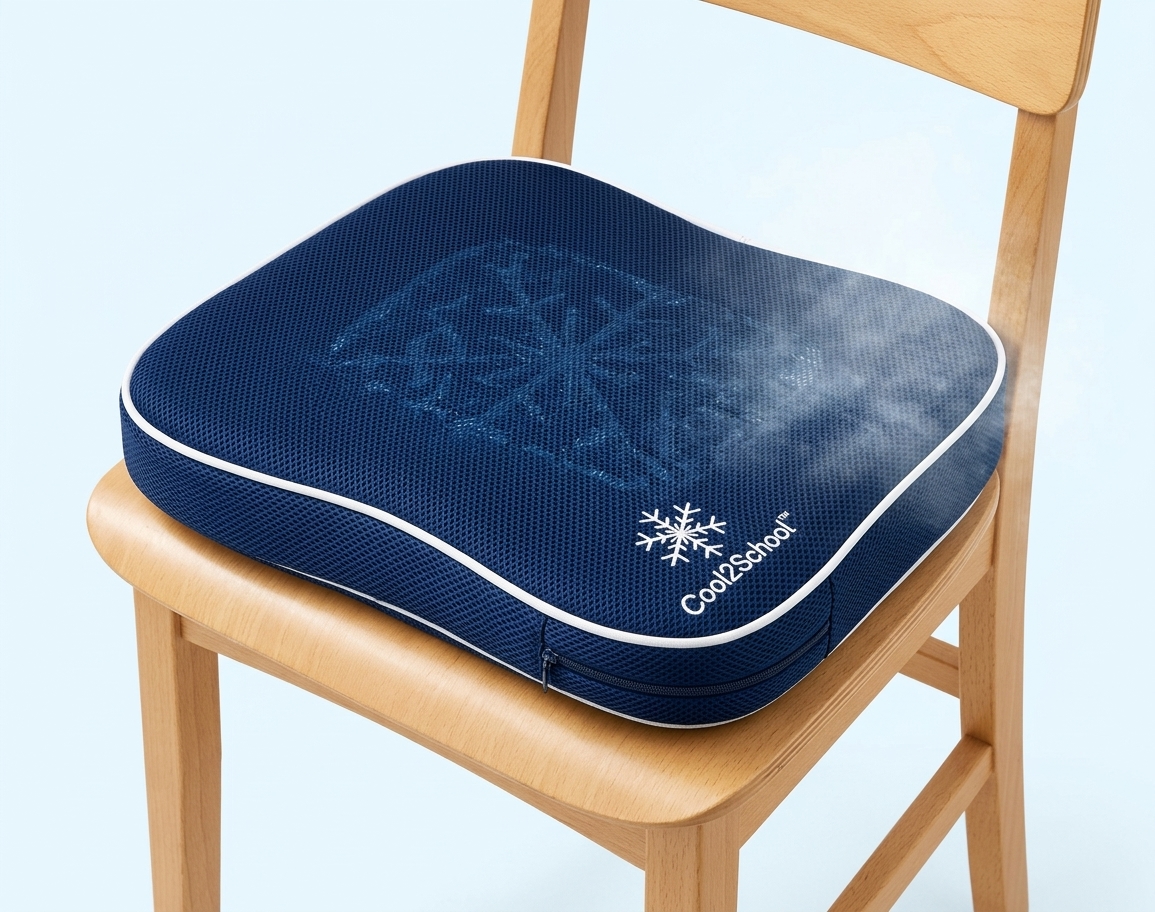
By taking these steps, you can cultivate heat awareness in your children, helping them stay safe and enjoy outdoor activities throughout the summer months. Remember, using cooling products like those offered by Cool2School can enhance their comfort on particularly hot days, allowing them to thrive in the sunshine.
Get our free Heatwave Checklist
Join our newsletter and we'll send you a printable checklist to keep your children cool, hydrated and safe all summer.