As summer approaches, it’s time to think about setting up a sports training schedule that ensures young athletes remain active, engaged and enthused. The warmer weather offers an excellent opportunity for outdoor activities, but it's essential to plan effectively. Here’s how to create a successful training schedule for the summer season.
1. Assess Skills and Goals
Before diving into a training schedule, it’s vital to assess the current skill levels of the young athletes and understand their goals. This insight helps in tailoring sessions that are age-appropriate yet challenging.
2. Create a Balanced Schedule
A well-rounded schedule should include various elements to prevent burnout and keep participants excited.
- Technical Skills: Focus on specific skills related to the sport.
- Physical Conditioning: Include exercises that enhance strength, speed, agility, and endurance.
- Teamwork and Strategy: Integrate sessions to develop teamwork and strategic thinking.
- Rest Days: Schedule rest days to allow young athletes to recover and avoid injury.
3. Keep Hydration Top of Mind
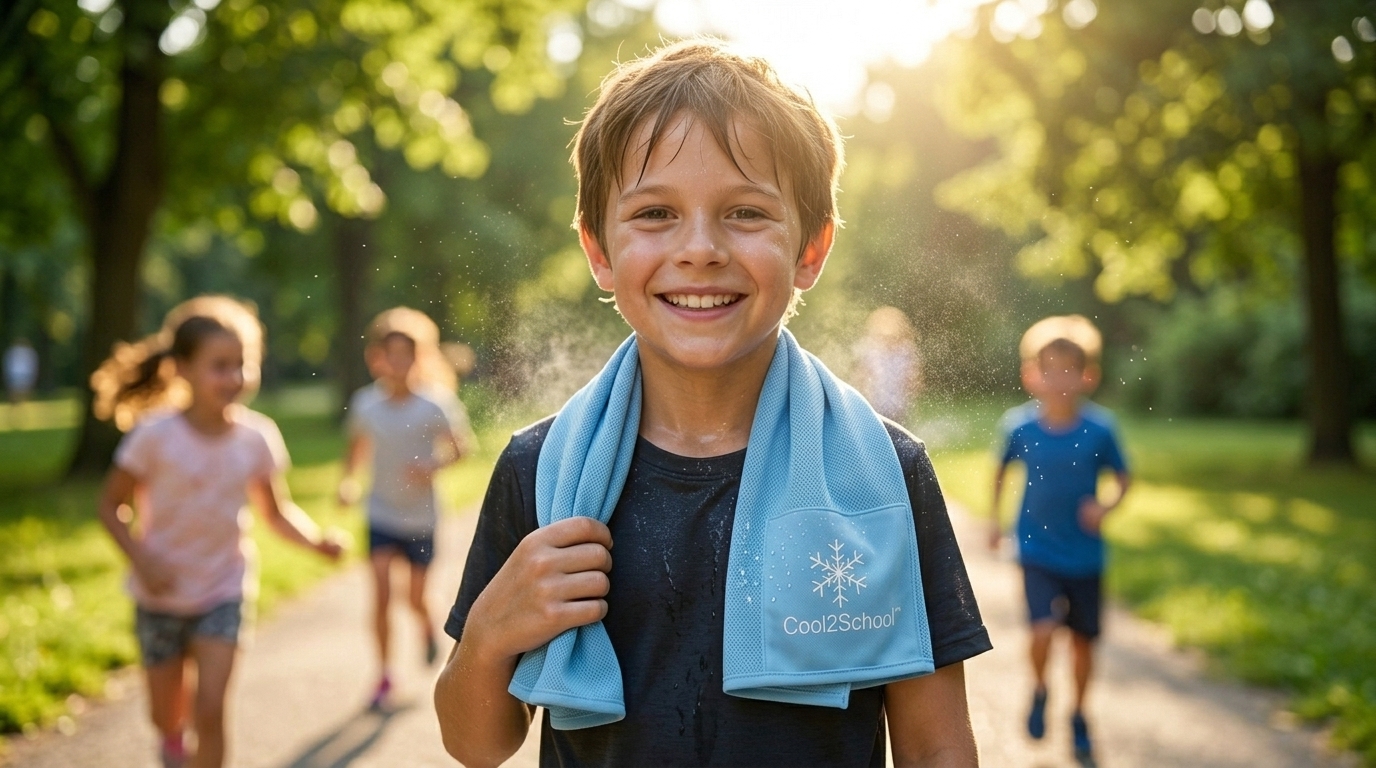
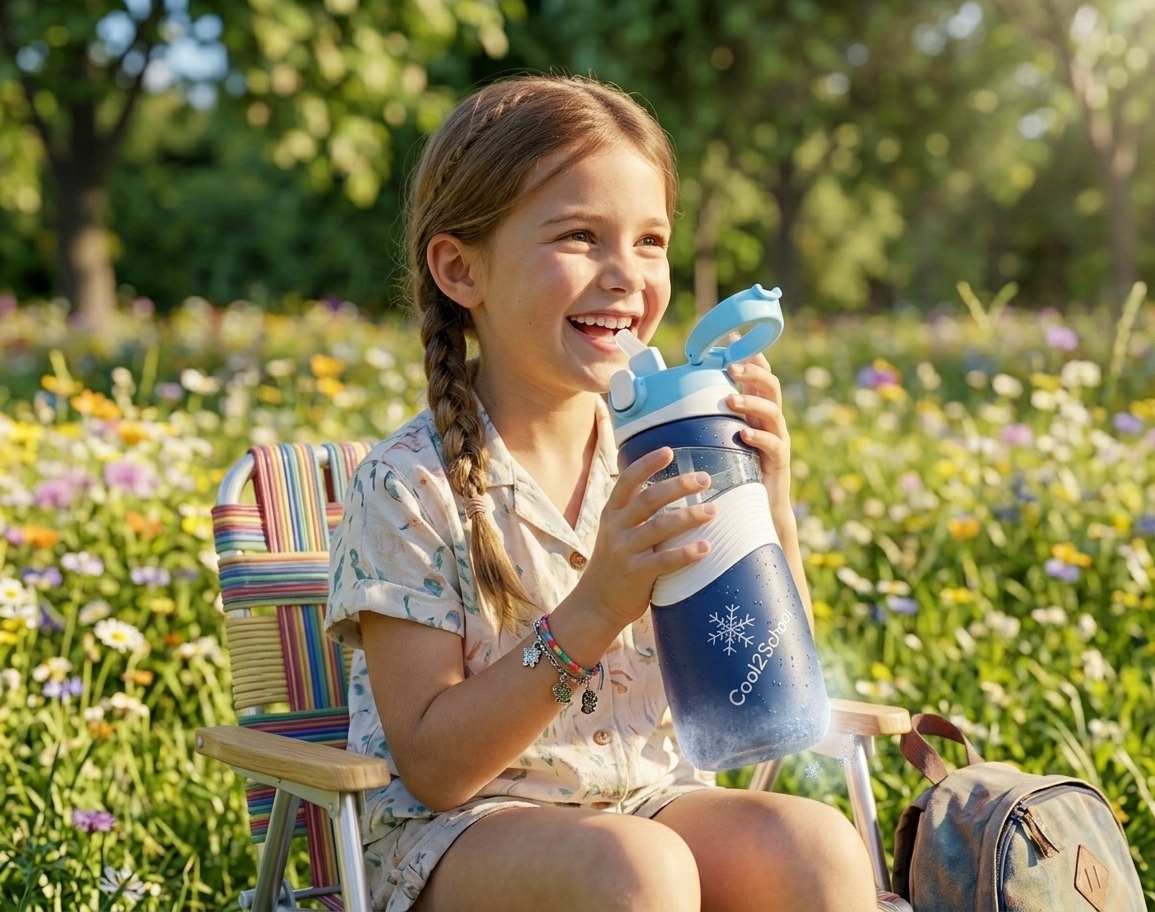
Hot weather can lead to dehydration, which affects performance and health. Encourage young athletes to drink water regularly throughout training sessions.
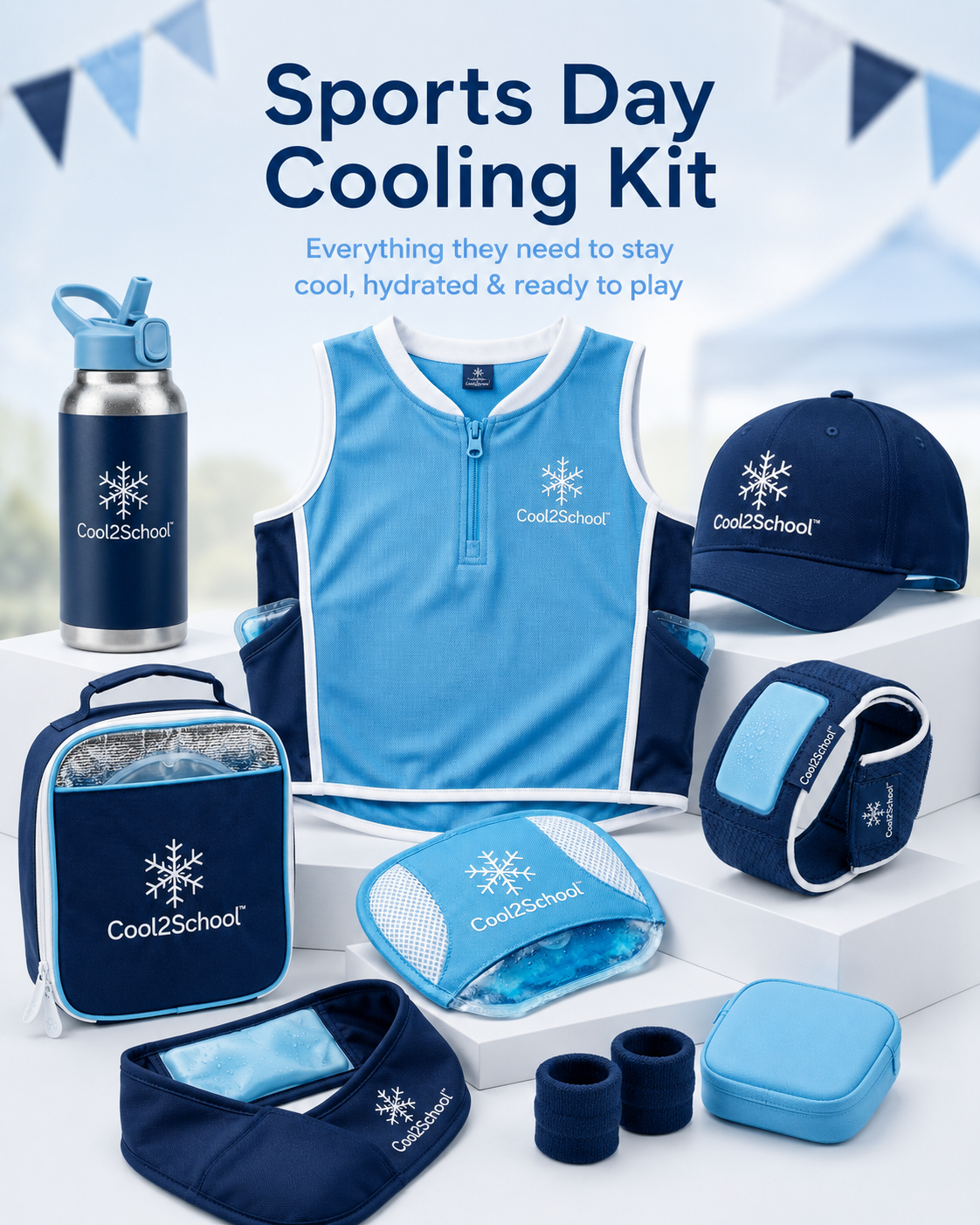
Using insulated water bottles like those from Cool2School is a fantastic way to keep drinks cool and appealing during training. Remind children to drink water before, during, and after activities.
4. Incorporate Variety
Variety is key to maintaining enthusiasm for training. Incorporate different sports and activities to develop a range of motor skills and lessen monotony. Consider:
- Circuit training with a mix of skills and drills.
- Team-building games to foster camaraderie.
- Fun challenges or competitions with small rewards.
5. Focus on Safety
Summer temperatures can be high, making safety a critical component of any sports schedule. Here are some preventative measures:
- Train during cooler parts of the day when possible.
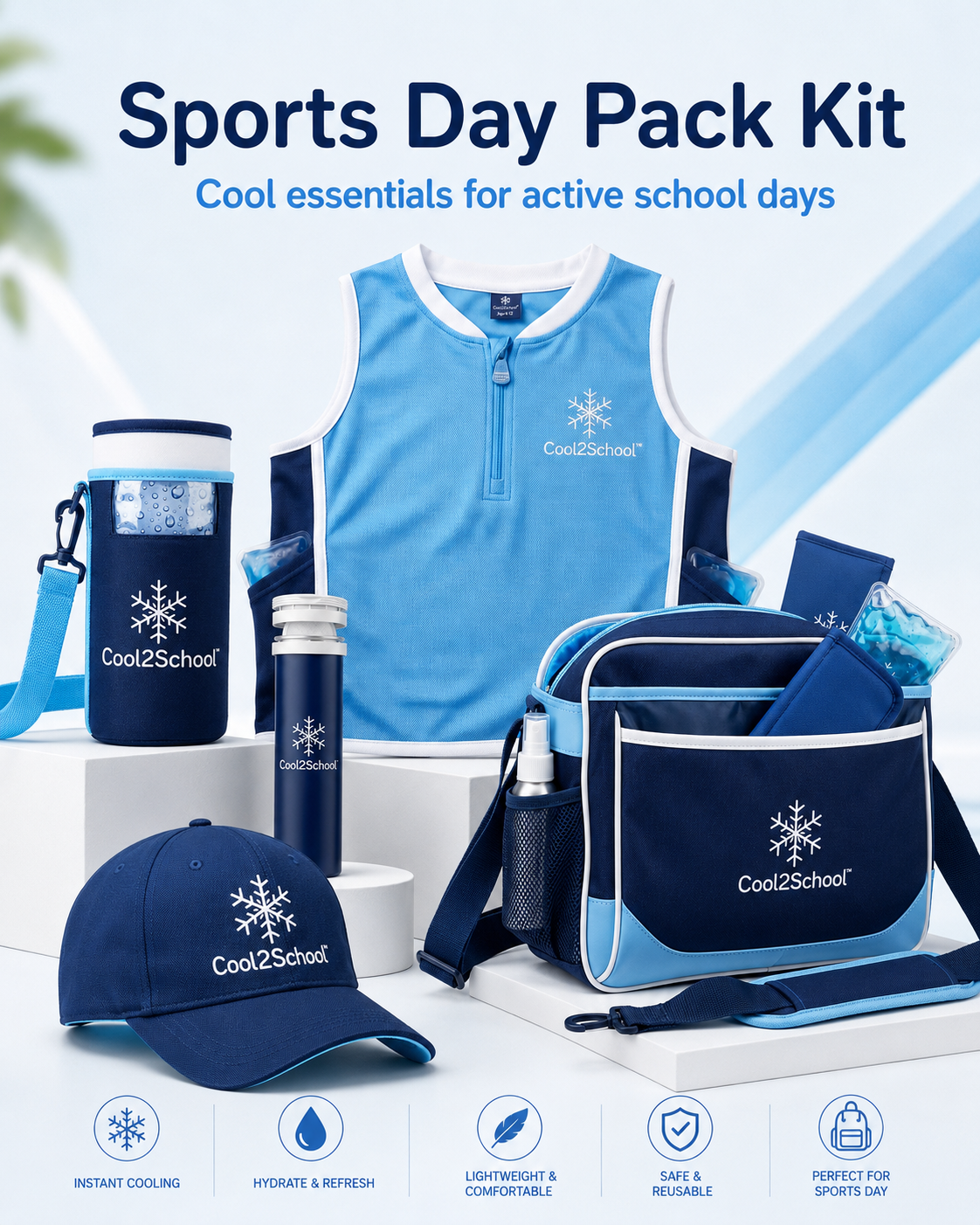
- Ensure proper clothing, such as lightweight and breathable fabrics. Consider using Cool2School’s cooling vests and caps to keep kids comfortable in the heat.
- Establish a clear understanding that if a player feels unwell, they should communicate this immediately.
6. Get Parents Involved
Encouraging parental involvement can create a positive environment for the young athletes. Host informational sessions to discuss the training schedule, goals, and ways parents can support their children’s activities.
Key takeaways
- Assess athletes' skills and set relatable goals.
- Develop a balanced schedule that includes training and rest.
- Emphasise hydration, using cool equipment like insulated bottles.
- Add variety to keep training sessions engaging.
- Prioritise safety in hot weather.
- Encourage parental support and involvement.
With a well-structured summer sports training schedule, young athletes can enjoy the benefits of physical activity while developing their skills and teamwork. By prioritising hydration and safety, and incorporating Cool2School's cooling products, you can ensure that their training season remains enjoyable and productive.
Get our free Heatwave Checklist
Join our newsletter and we'll send you a printable checklist to keep your children cool, hydrated and safe all summer.