As summer rolls in, school holidays and outdoor activities become a big part of family life. However, when a heatwave strikes, it's crucial to adapt our plans to keep everyone safe and comfortable. Here are some best practices for enjoying the great outdoors while managing the risks associated with soaring temperatures.
Understand Heatwave Risks
Heatwaves can pose several risks, particularly for children, who are more susceptible to heat-related illnesses. Understanding these risks is the first step in planning safe outdoor activities.
- Heat exhaustion: Symptoms include heavy sweating, weakness, dizziness, and nausea.
- Heatstroke: A more severe condition that requires immediate medical attention, evident by confusion, altered consciousness, and a rapid pulse.
- Dehydration: Loss of fluids can lead to fatigue and decreased performance in physical activities.
Plan Activities Wisely
Timing is everything when it comes to outdoor activities during a heatwave. The sun is at its peak from noon to 3 PM, so it's advisable to schedule activities outside these hours.
- Opt for early morning or late afternoon outings.
- Consider indoor alternatives for particularly hot days.
Keep Hydration in Mind
Staying hydrated is crucial to combatting the effects of the heat. Encourage children to drink water frequently, even if they don’t feel thirsty.
- Provide insulated water bottles to keep drinks cool.
- Incorporate hydrating snacks like watermelon, cucumbers, and oranges during breaks.
Dress for the Weather
Choosing the right clothing is essential when planning outdoor activities in heatwave conditions. Lightweight, breathable fabrics can make a significant difference.
- Encourage kids to wear light-coloured, loose-fitting clothes.
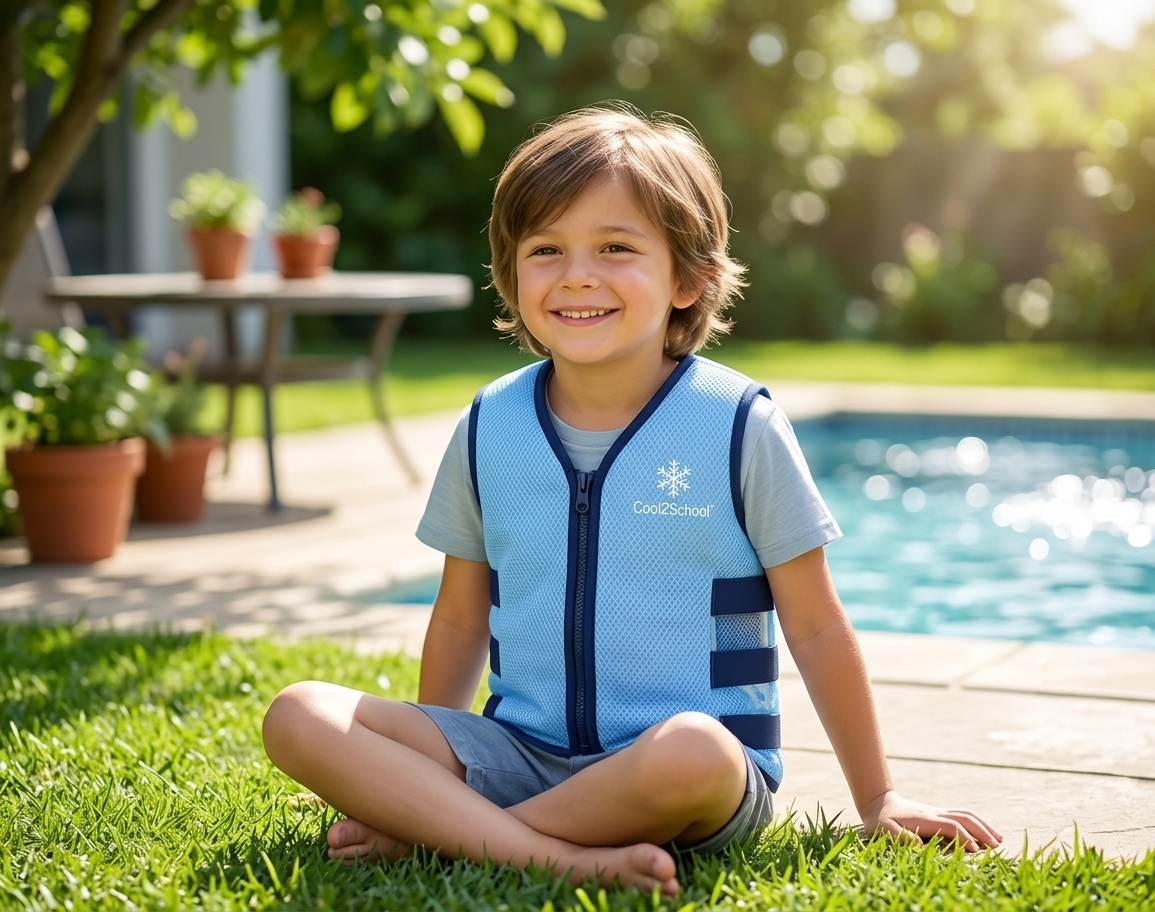
- Invest in cooling caps and vests to help regulate body temperature.
Use Shade and Rest Periods
Finding shade is vital during hotter parts of the day. Encourage frequent breaks in a cooler environment to mitigate the impact of heat exposure.
- Look for shaded areas in parks or create your own shade with umbrellas or canopies.
- Incorporate rest periods into your activity schedule.
Monitor for Signs of Heat Stress
As a responsible adult, always monitor children for any signs of heat stress. Being proactive can prevent serious health issues.
- Keep an eye out for changes in behaviour, unusual fatigue, or complaints of headache.
- Have a plan in place to cool down quickly if needed, such as moving to a shaded area or applying cooled wet cloths.
Stay Informed
Before heading out, check local weather forecasts for severe heat warnings and advisories. Staying informed will help you make better decisions regarding outdoor activities.
- Sign up for weather alerts via smartphone apps or local news stations.
- Adjust your plans accordingly based on updated forecasts.
Key takeaways
- Plan outdoor activities in the cooler parts of the day.
- Ensure regular hydration with cool drinks and snacks.
- Dress children in appropriate, breathable clothing.
- Incorporate shade and breaks into your schedule.
- Monitor for symptoms of heat-related illnesses continuously.
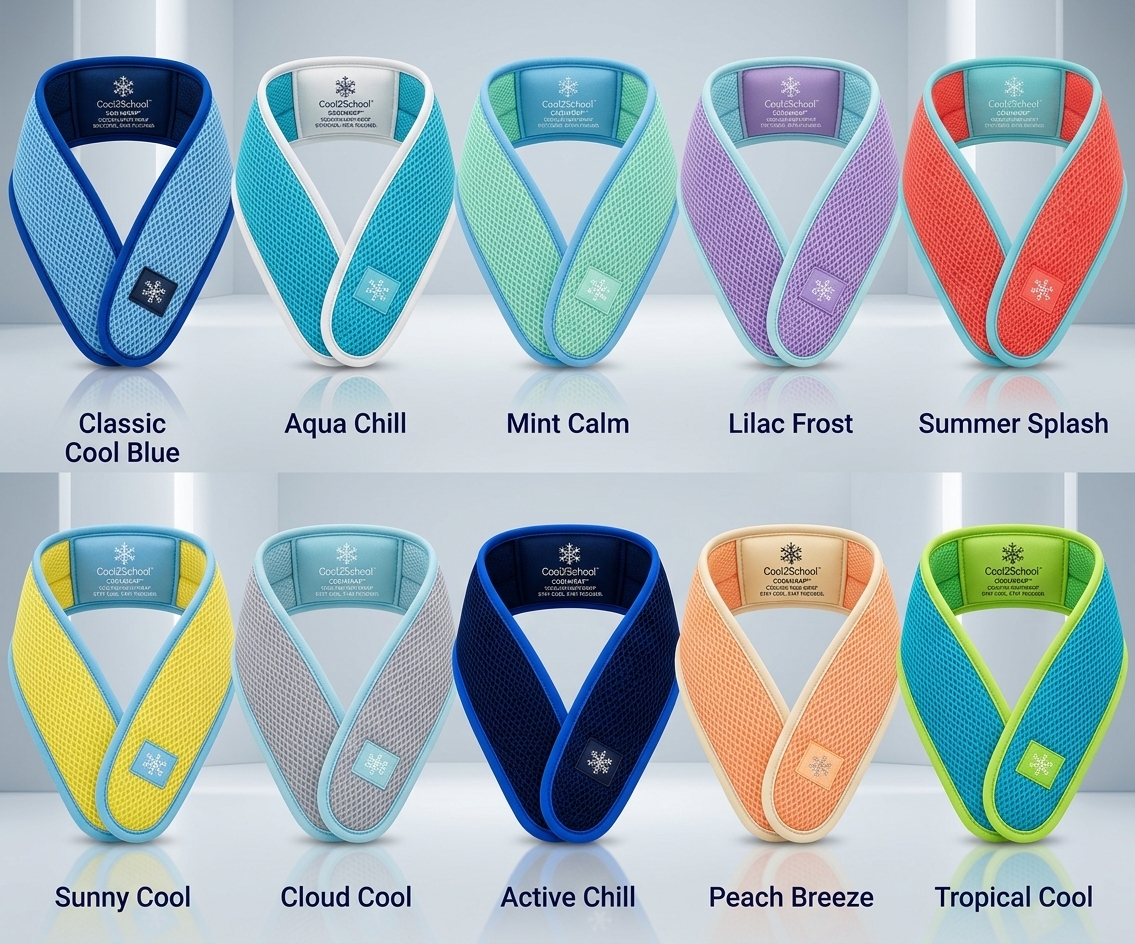
By taking these simple but effective precautions, families can enjoy the summer outdoors even during a heatwave. Remember, Cool2School offers an array of cooling products designed specifically for kids, helping keep them cool, hydrated, and comfortable while they explore the great outdoors!
Get our free Heatwave Checklist
Join our newsletter and we'll send you a printable checklist to keep your children cool, hydrated and safe all summer.