Outdoor learning provides numerous benefits for students, engaging them in unique ways that a classroom setting may not. However, when temperatures soar, ensuring the comfort and safety of children becomes a priority. Below, we explore the benefits of outdoor learning in hot conditions and offer practical tips for teachers to enhance the experience.
Enhanced Learning Opportunities
Learning outside the classroom allows children to engage with the environment, making subjects like science, geography, and art come alive. They can connect theoretical concepts with real-world experiences. Some benefits include:
- Improved retention of knowledge
- Increased motivation and engagement
- Development of critical thinking skills
- Encouragement of creativity and exploration
Health and Wellbeing Benefits
Outdoor learning is known to boost mental health and wellbeing. Exposure to natural light and fresh air can help reduce stress and anxiety levels among students. Additionally:
- Physical activity contributes to better health
- Nature has a calming effect, supporting emotional regulation
Practical Tips for Hot Weather Outdoor Learning
While the benefits are significant, it is essential to adapt outdoor learning sessions to ensure the safety of all students. Here are some effective strategies:
- Choose the Right Time: Schedule outdoor activities for early morning or late afternoon when temperatures are lower.
- Hydration is Key: Encourage students to drink water before, during, and after activities. Providing insulated water bottles can keep water cool and refreshing.
- Shade Matters: Ensure your activities are conducted in shaded areas, such as beneath trees or using portable canopies.
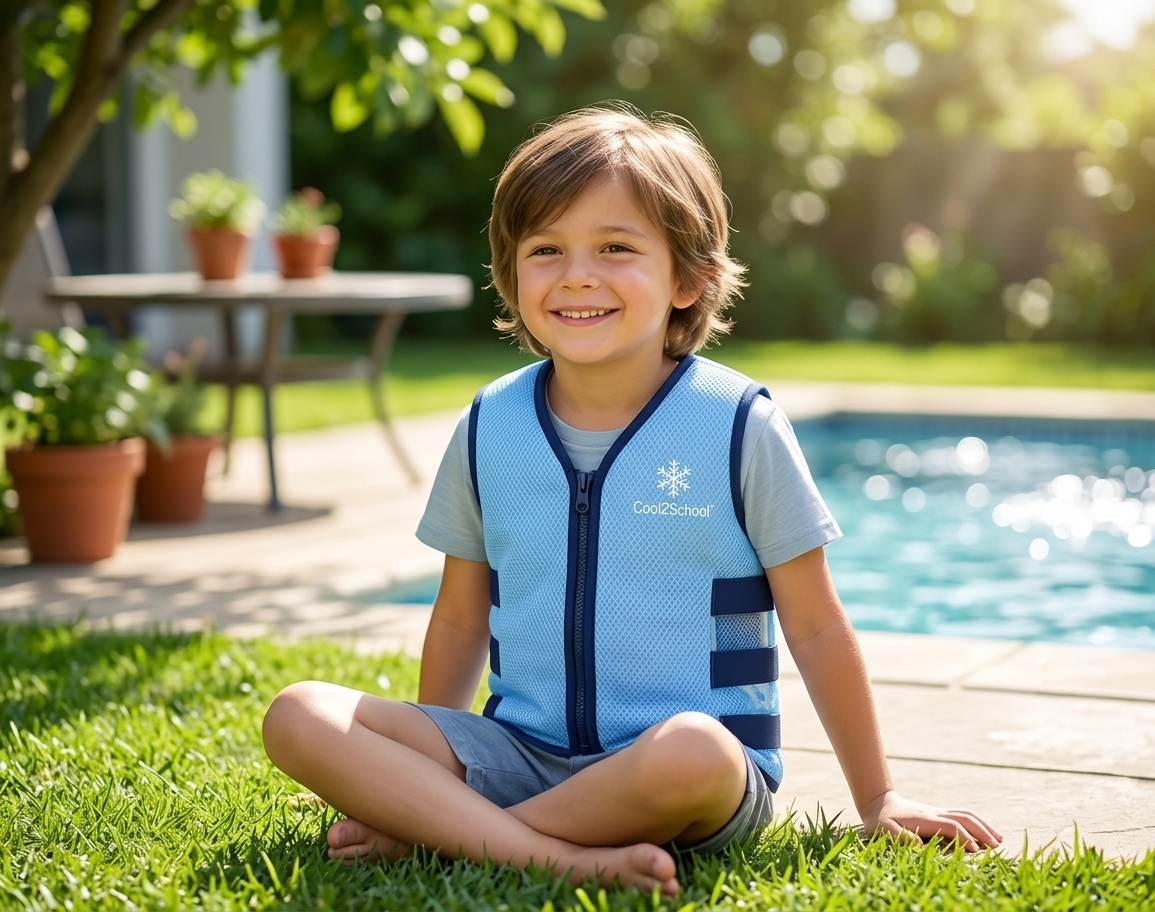
- Dress for Success: Advise children to wear light-coloured, loose-fitting clothing and hats for sun protection. Our Cool2School caps also offer extra protection.
Engaging Activities for Hot Days
When planning outdoor activities in the heat, choose those that can be adapted for the weather. Consider the following:
- Water-Based Learning: Incorporate activities involving water, such as experiments with floating and sinking or nature walks near water bodies.
- Creative Arts in Nature: Allow children to create art using natural materials like leaves, sand, or stones.
- Inquiry-Based Activities: Encourage exploration and questioning. For instance, investigating insects or examining plant life can keep students engaged without strenuous activity.
Monitoring and Adjusting Activities
As temperatures rise, it’s crucial to monitor student wellbeing continuously. Regularly check in with them to ensure they're comfortable and not overheating. Make adjustments as necessary, including:
- Shortening activity durations
- Incorporating more frequent breaks
- Moving indoors if conditions become too extreme
Key takeaways
- Outdoor learning enhances engagement and promotes wellbeing.
- Select suitable times and locations to minimise heat exposure.
- Hydration and proper clothing are essential for safety.
- Adapt activities to include water and nature-based learning.
- Monitor students continuously and adjust activities as needed.
In conclusion, outdoor learning is a valuable tool for educators, even in hot weather conditions. By implementing these practical strategies, teachers can create an enriching experience that prioritises student safety and enjoyment. With the help of supportive resources, like Cool2School cooling products, educators can ensure that students stay comfortable while enjoying the wonders of learning outside.
Get our free Heatwave Checklist
Join our newsletter and we'll send you a printable checklist to keep your children cool, hydrated and safe all summer.