Hot weather can be a challenge for both children and parents alike. As temperatures rise, it’s crucial to assess and address your child's cooling needs effectively. This guide provides practical advice to help you navigate warm days, ensuring your child stays comfortable while enjoying their activities.
Understanding the Importance of Cooling
Children are particularly vulnerable to heat, as their bodies can struggle to regulate temperature efficiently. Recognising the signs that your child may be overheating is vital:
- Excessive sweating
- Red or flushed skin
- Fatigue and lethargy
- Headaches or dizziness
- Nausea
By understanding the importance of cooling, you can take proactive steps to ensure your child remains safe and happy during the hotter months.
Hydration: The Key to Comfort
One of the simplest ways to assess your child's cooling needs is by ensuring they are well hydrated. Children may not always recognise when they're thirsty, so regular hydration breaks are essential. Here are some tips:
- Encourage your child to drink water frequently, even if they don’t ask for it.
- Consider insulated water bottles that keep drinks cool for hours—Perfect for school or day trips.
- Infuse water with slices of fruit for a refreshing touch that kids may enjoy more than plain water.
Keeping your child well-hydrated is a straightforward yet effective way to help them stay cool.
Choosing Appropriate Clothing
The clothes your child wears can significantly impact their comfort on hot days. Consider the following when selecting outfits:
- Opt for loose-fitting, lightweight clothing that allows for air circulation.
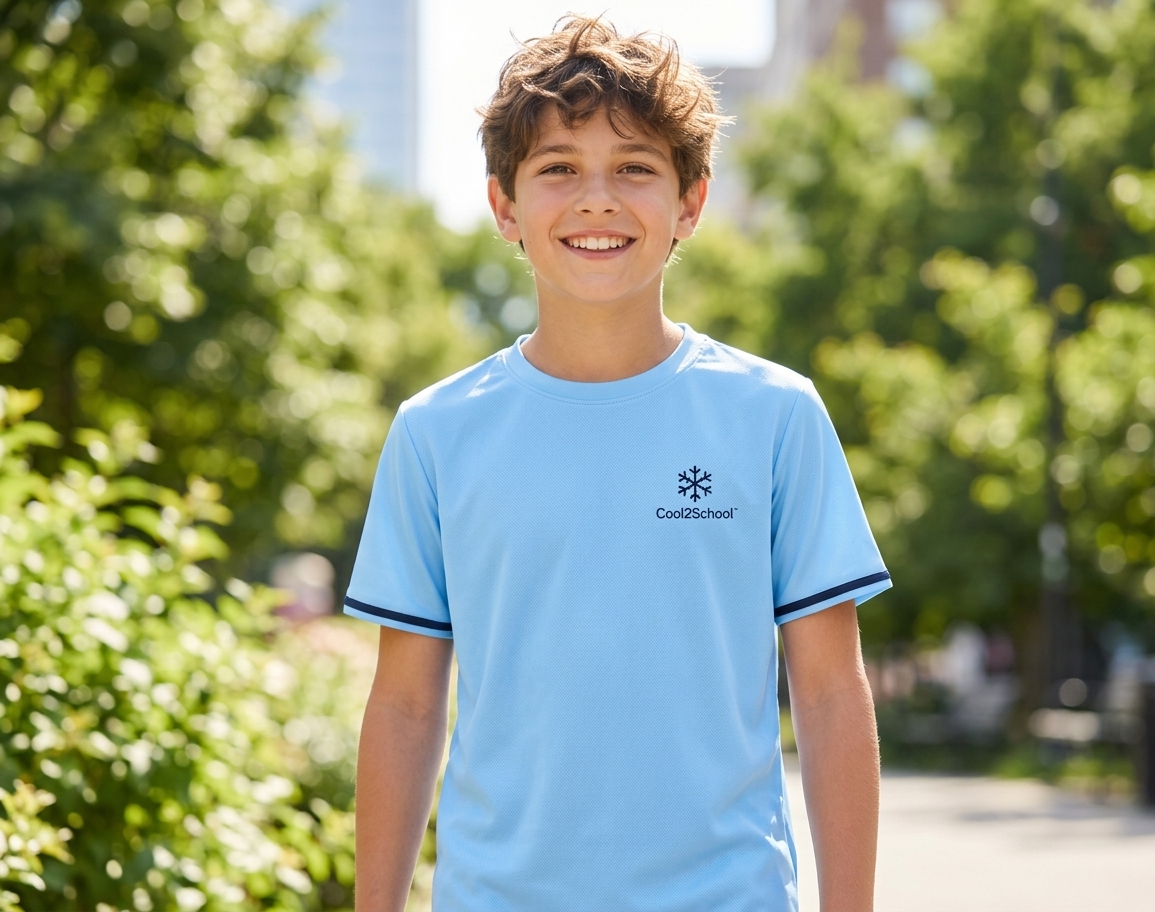
- Choose light colours that reflect rather than absorb heat.
- Use breathable fabrics like cotton or moisture-wicking materials.
Clothing that promotes airflow can enhance your child’s cooling and comfort levels outdoors.
Creating a Cool Environment
Where your child spends their time can affect their overall comfort in hot weather. Here are some strategies to create a cool environment:
- Provide a shaded area outdoors, using a sunshade or tree cover.
- Keep indoor spaces well-ventilated and cool—fans and cross ventilation can significantly help.
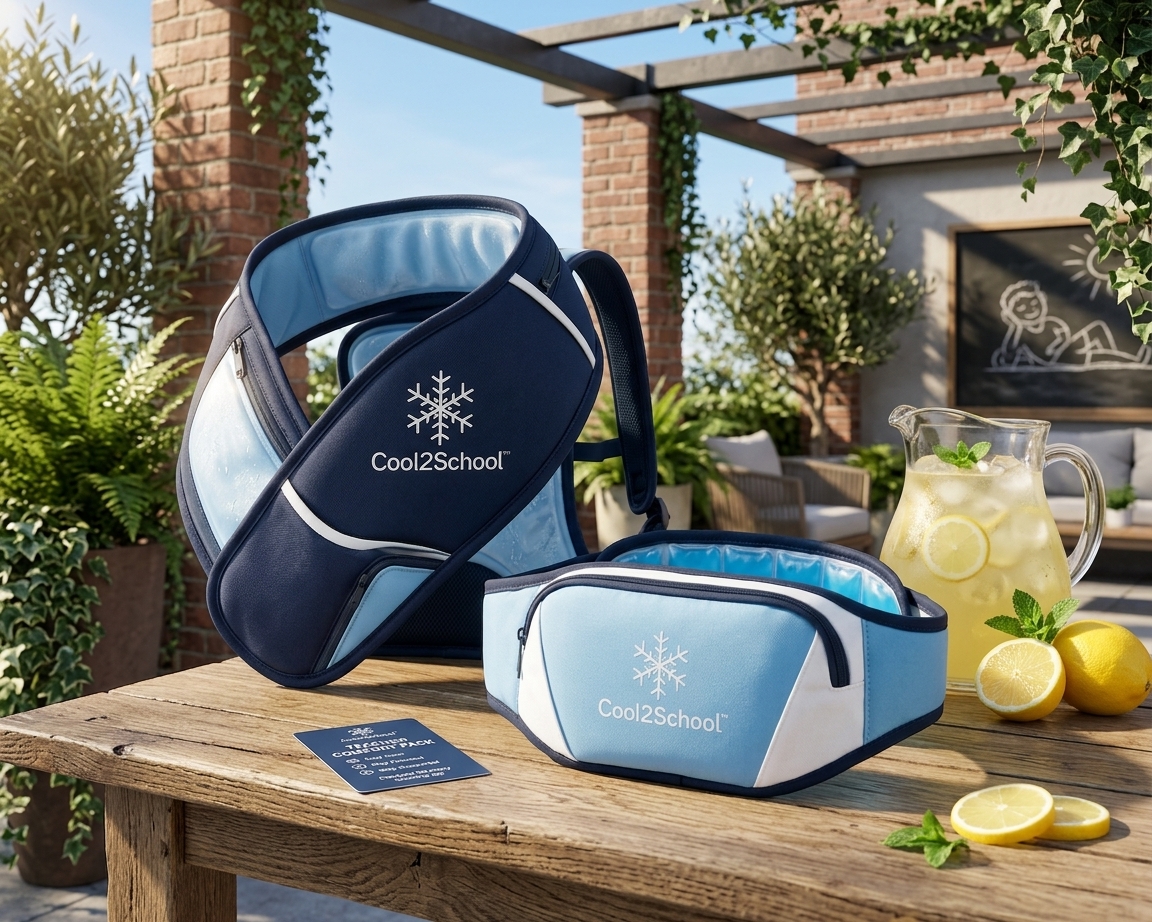
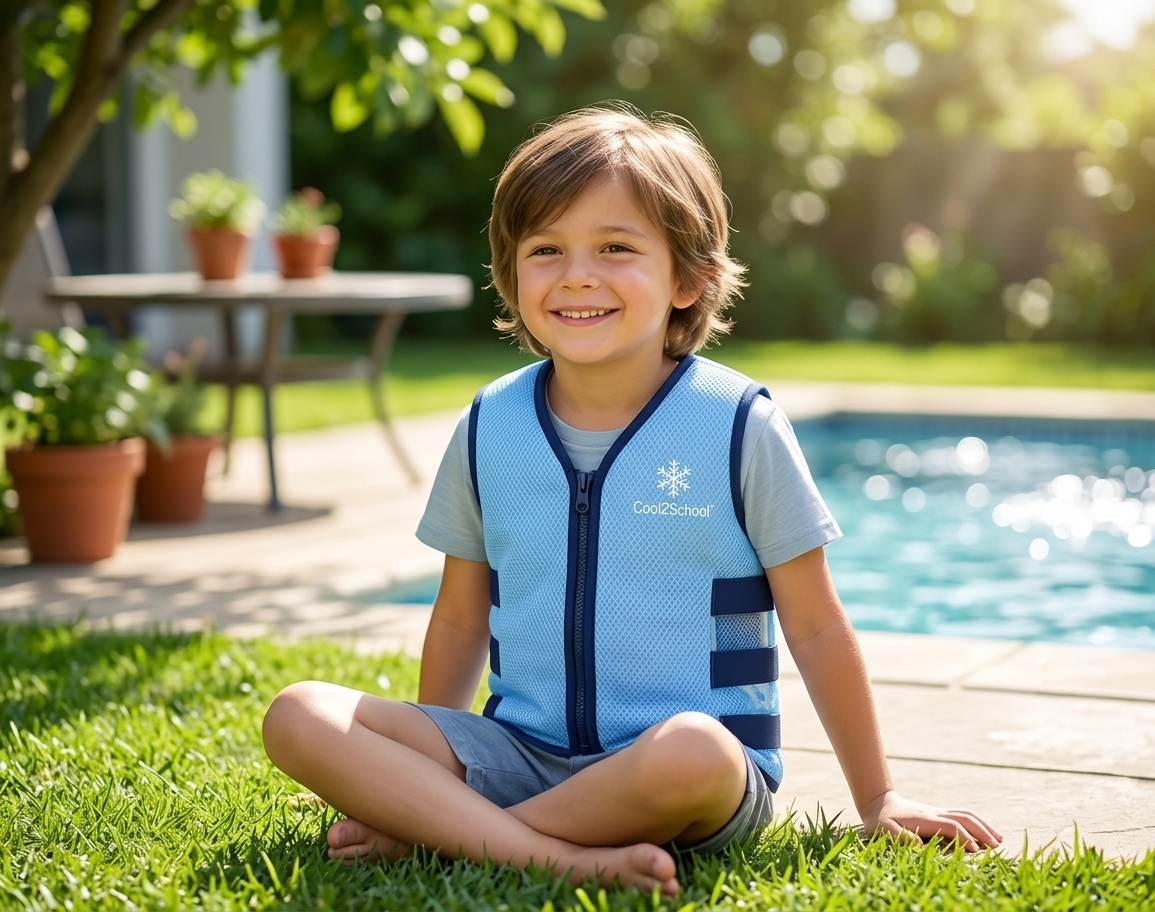
- Utilise cooling vests or neck wraps when spending prolonged periods outside, which can actively help regulate body temperature.
By manipulating their environment, you can help your child feel comfortable and avoid overheating.
Planning Activities Wisely
Understanding when and where your child is active can help mitigate heat stress. Consider these practical points:
- Avoid outdoor activities during peak sun hours, typically between 11 AM and 3 PM.
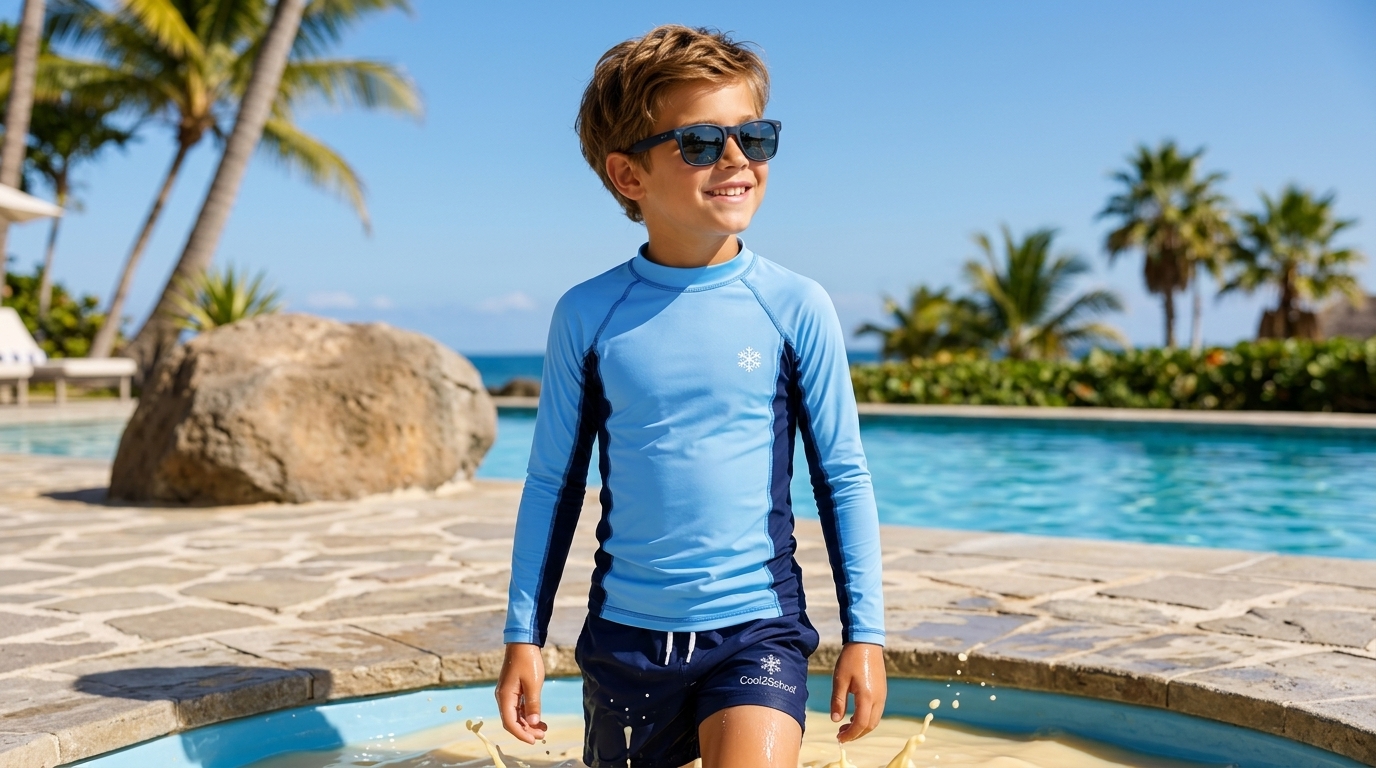
- Incorporate water play or activities that allow for cooling breaks.
- Monitor your child's reactions during activities and adjust plans as necessary.
By planning activities with the heat in mind, you can ensure your child enjoys their time without the risks associated with overheating.
Key takeaways
- Assess your child's cooling needs by understanding their signs of overheating.
- Keep them well-hydrated and encourage frequent water breaks.
- Select appropriate, breathable clothing to enhance comfort.
- Create a cool environment both indoors and outdoors.
- Plan activities to avoid peak sun hours and include cooling solutions.
Assessing your child’s cooling needs is an essential aspect of parenting during hot weather. By taking simple, proactive steps, you can ensure their comfort and safety, allowing them to enjoy their summer days to the fullest. Remember, with the right cooling products like those from Cool2School, you can elevate your child's experience and keep overheating at bay.
Get our free Heatwave Checklist
Join our newsletter and we'll send you a printable checklist to keep your children cool, hydrated and safe all summer.